

Antique Religious Oil Art
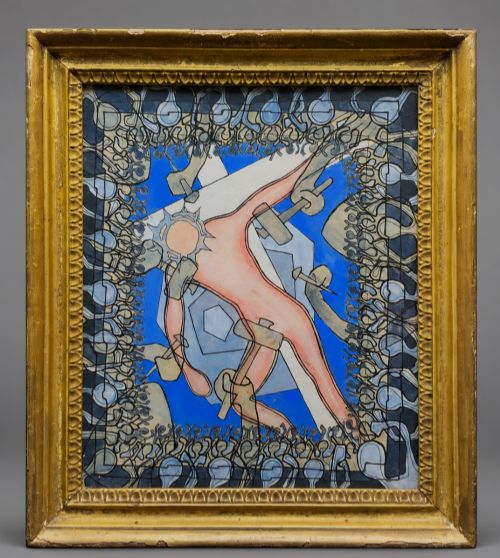
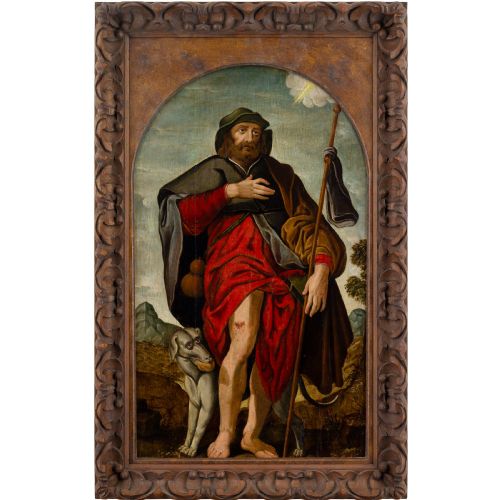
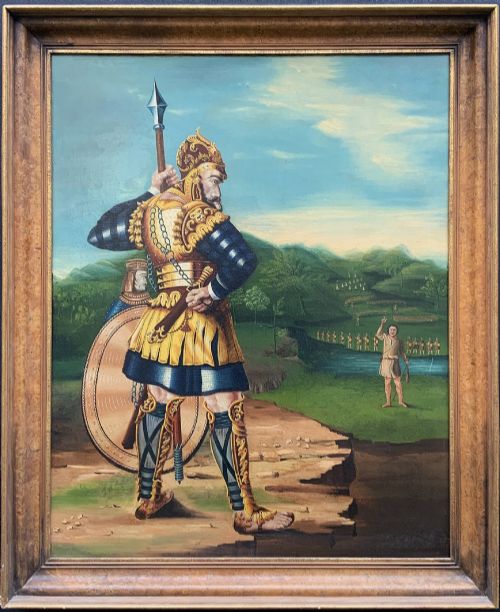
Antique religious oil art captures centuries of devotion, theology and masterly portraiture through rich canvases and carved giltwood frames.
Antique Religious Oil Art
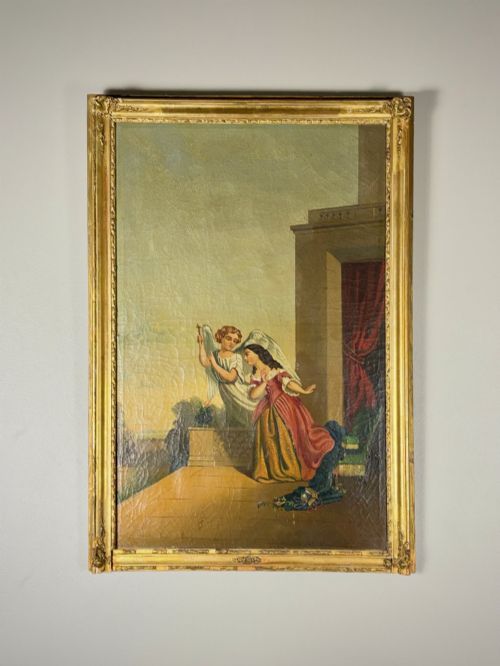
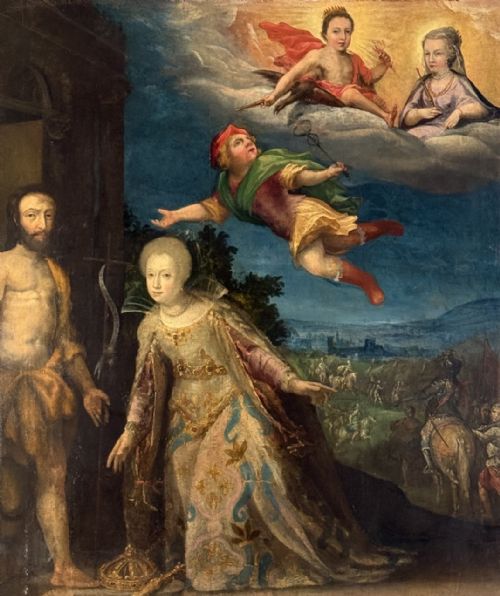
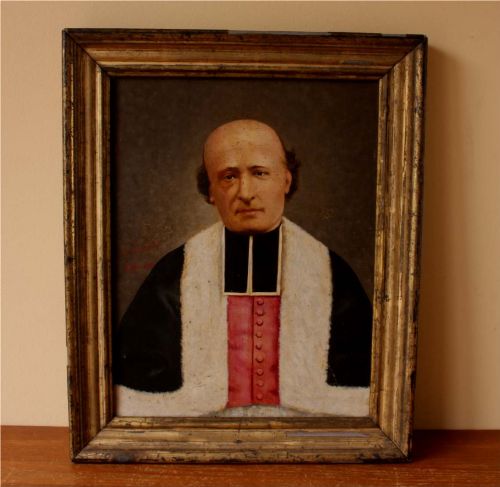
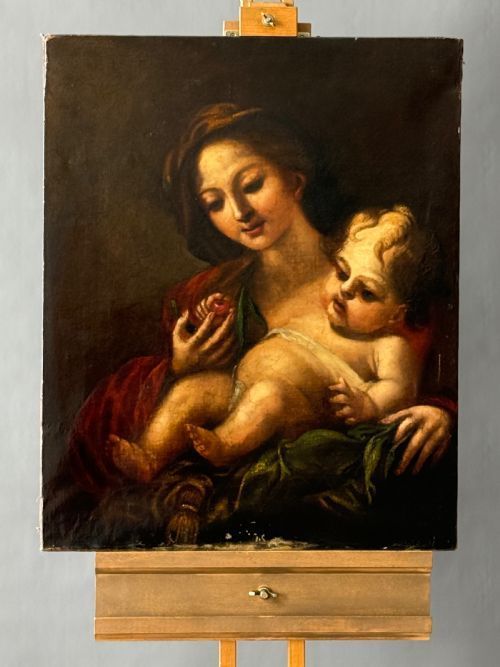
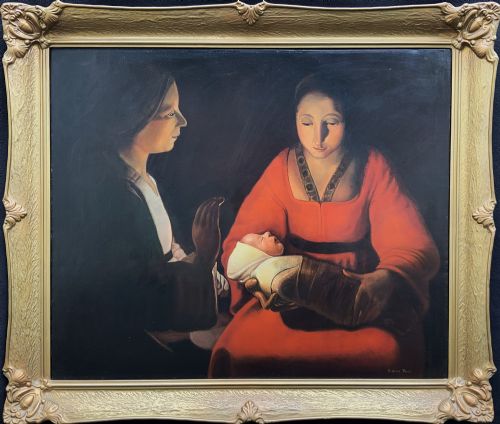
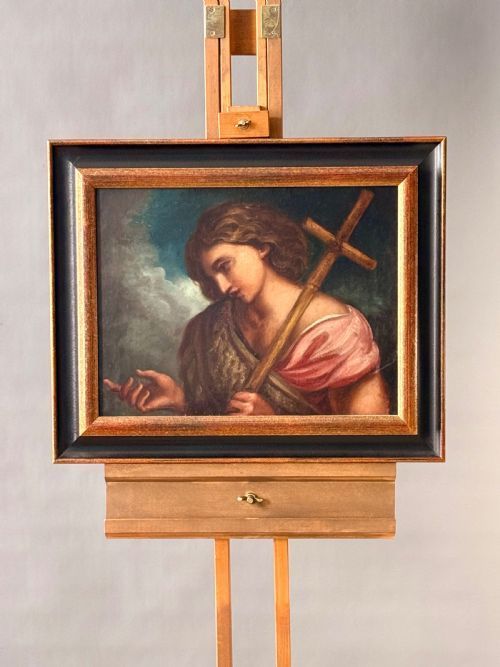
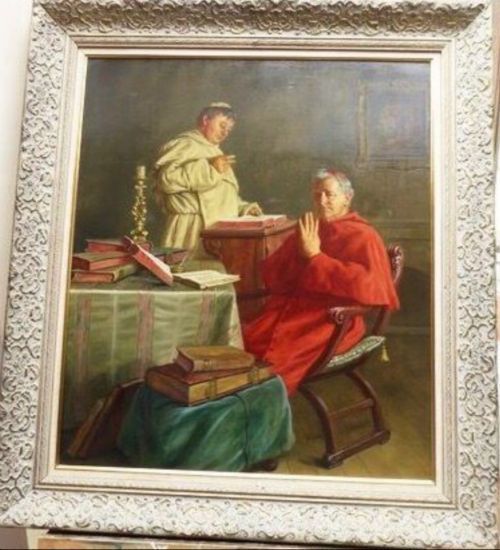
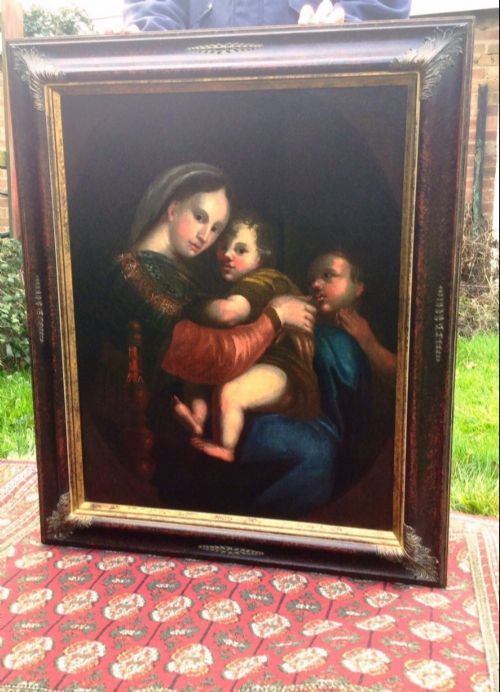
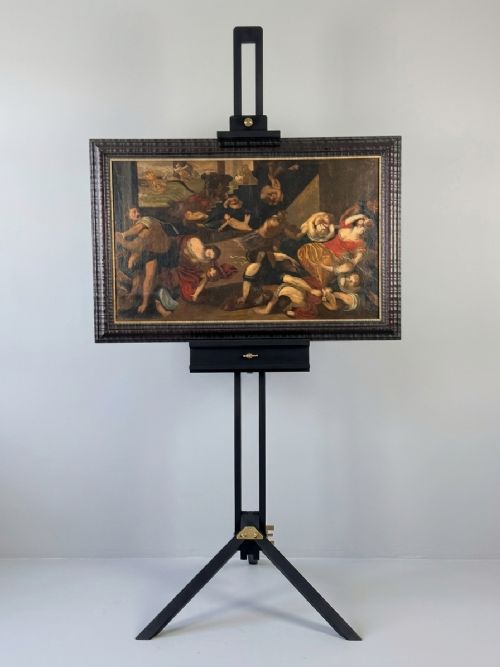
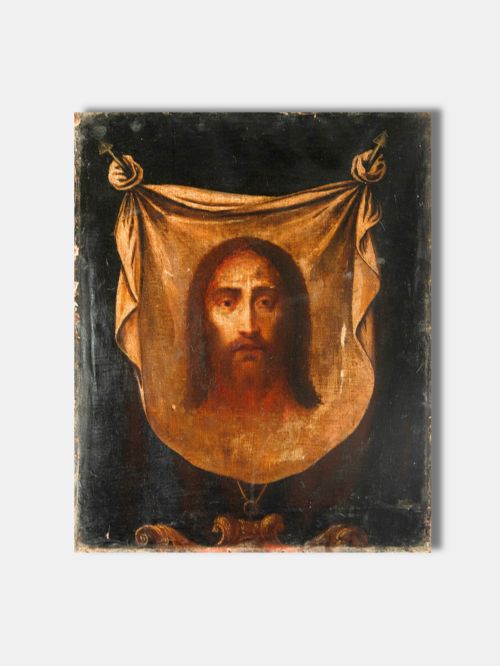
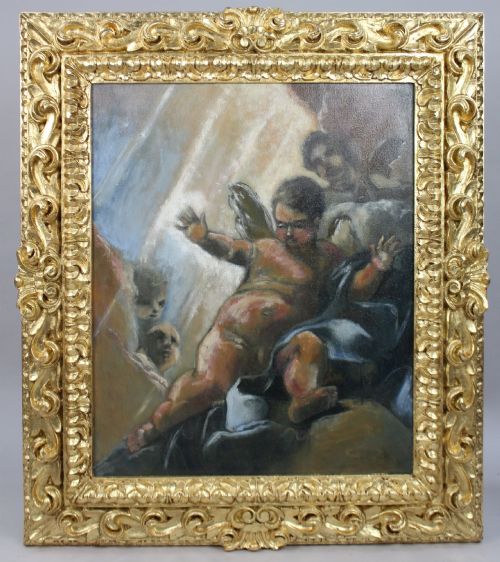
When you search for antique religious oil art, you enter a domain of devotional canvases, biblical narratives and portraits of saints spanning the sixteenth to the nineteenth centuries. The pieces on this page lean heavily towards European schools, particularly Italian, Spanish and French works depicting the Madonna and Child, holy families and monastic figures.
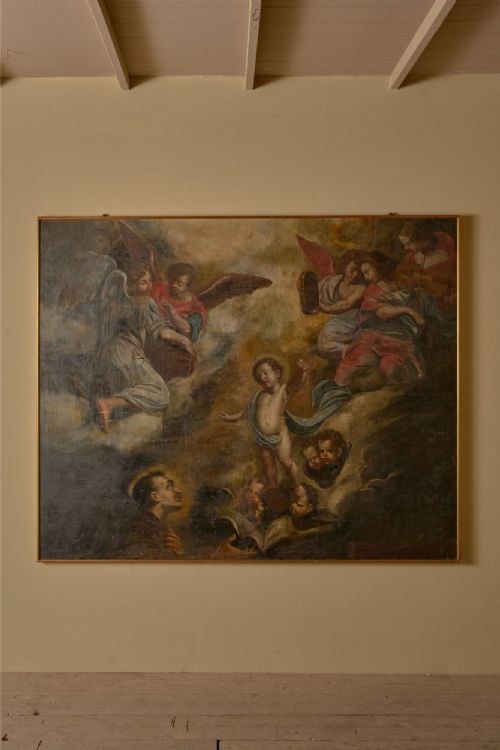
You will encounter monumental seventeenth-century Spanish baroque pieces alongside intimate eighteenth-century Italian old master studies and nineteenth-century devotional paintings. These works served private contemplation or ecclesiastical spaces, carrying centuries of ritual purpose into domestic interiors today.
How these oil paintings were constructed
The makers of antique religious oil art prepared sturdy wooden panels or stretched canvas grounds, applying layers of oil paint to build deep pigments and subtle chiaroscuro effects. Artists utilised gold leaf for halos and liturgical highlights, framing the completed compositions in heavy carved giltwood.
Many of these works reveal pentimenti, where the artist altered compositions during the painting process, showing the evolving thought behind a saintly portrait or biblical narrative.
Antique Religious Oil Art Retail Price Guide 2026
Typical asking prices for religious oil art among the pieces listed under this phrase on Sellingantiques today, from the lower quarter to the upper quarter. They describe what is for sale here now, not the wider market.
Listings feature canvases executed across the sixteenth, seventeenth, eighteenth, and nineteenth centuries, utilising oil paint, canvas, wood, and gold leaf.
What dictates the quality of these works
Quality in antique religious oil art rests upon the confidence of the brushwork, the depth of anatomical understanding in figures such as the Madonna or Christ, and the relationship between the canvas and its original frame. Works attributed to regional schools or circles of known masters display sophisticated handling of light and shadow.
Jozef Jansessens·Georges de La Tour·Bernardino Luini·Miguel Barroso·Edgard Maxence·Benvenuto Tisi·Francesco Solimena·Juan Ruiz Soriano·Gaspar de Figueroa·Correggio·Raffaello Sanzio Da Urbino
The Antique Religious Oil Art Glossary
- Old Master
- A European painter of skill working before about eighteen hundred. These artists formed the backbone of traditional academic training and religious commissions.
- Pentimento
- An alteration in a painting, evidenced by traces of previous work showing through the paint. This occurs when an artist changes their mind about a figure's placement.
- Giltwood
- Wood carved and covered with a thin layer of gold leaf or gold paint. Such frames are frequently contemporary to the religious canvases they enclose.
- Chiaroscuro
- The treatment of light and shade in drawing and painting. Religious works utilise this technique to create dramatic, spiritual focal points.
- Devotional art
- Visual imagery created to inspire spiritual prayer and meditation. These oil paintings were produced for both grand churches and private domestic shrines.
Antique Religious Oil Art: Frequently Asked Questions
How do I identify the period of an old master canvas?
Dating relies on stylistic clues such as the theatrical drama of seventeenth-century baroque composition, the restrained balance of sixteenth-century Renaissance ideals, or the softer palette of the eighteenth-century schools. Canvas weaves, stretcher construction, and the ageing characteristics of oil paint provide further physical evidence.
Examining the accompanying carved giltwood frame can also offer clues, though frames were frequently changed or paired with older canvases across subsequent generations.
How should I hang and care for an oil on canvas?
Keep religious oil paintings away from direct sunlight, radiators, and damp walls to prevent canvas sagging, paint cracking, or wood warping in the frame. Stable indoor humidity and temperature preserve the integrity of the ground and pigment layers.
Ensure the hanging fixings into the wall are secure and rated for the weight of heavy giltwood frames, supporting the artwork evenly from the structural elements.
What is the significance of school attributions?
Attributions such as Italian School, Spanish Baroque, or Hessian School indicate the regional style, workshop traditions, and geographic origin of an anonymous painter. These designations link surviving pieces to the broader stylistic hubs where artistic techniques were taught and refined.
Works attributed to the circle or follower of a master show direct stylistic descent from celebrated figures like Raphael or Correggio without necessarily being autograph pieces.