


Antique Relief Pottery
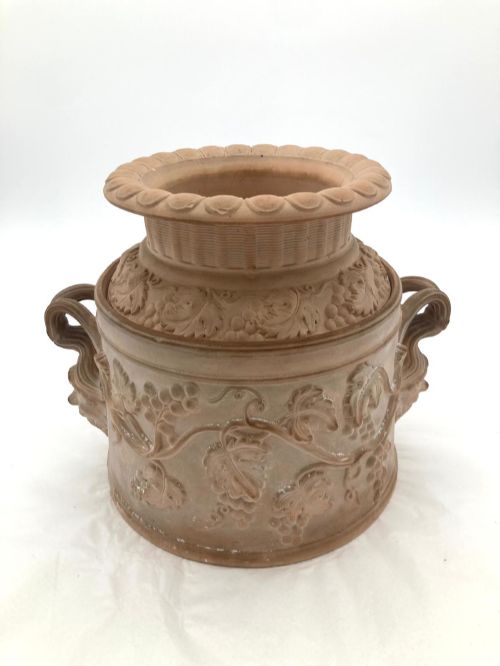
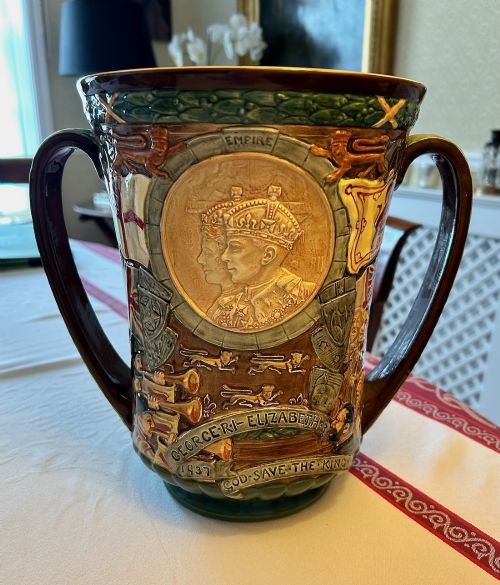
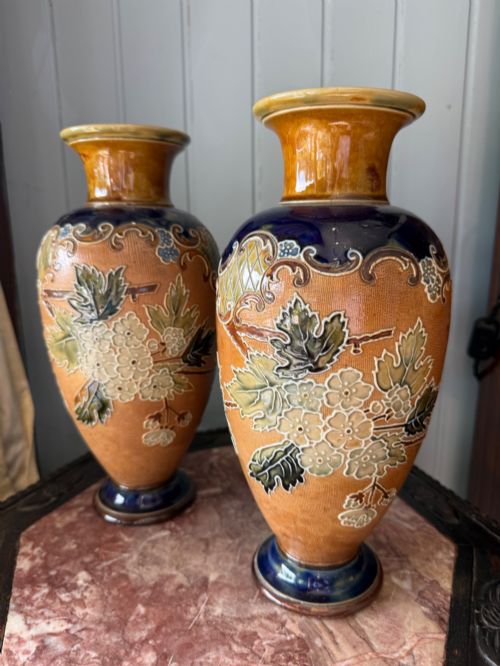
Antique relief pottery brings tactile depth to interiors through moulded, sculpted, and applied surface decoration on vessels and plaques.
Antique Relief Pottery
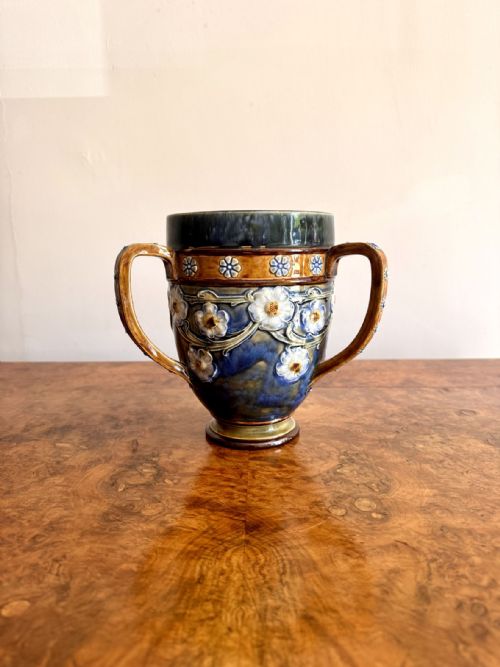
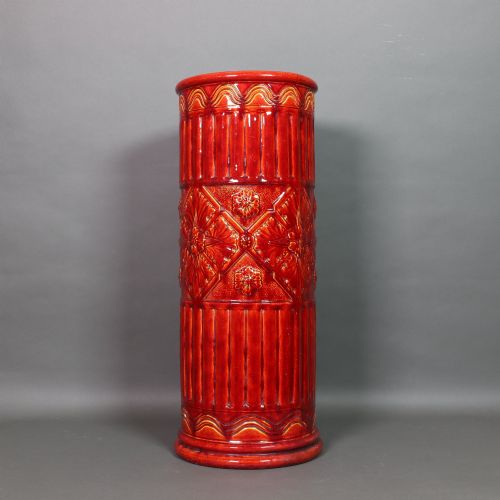
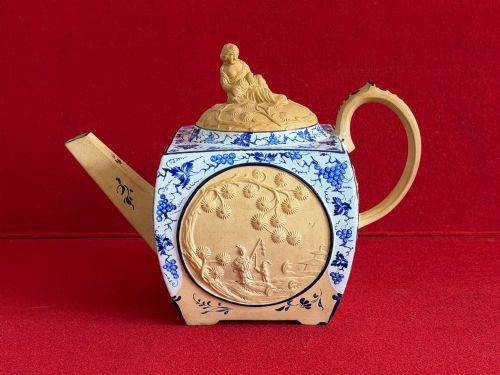
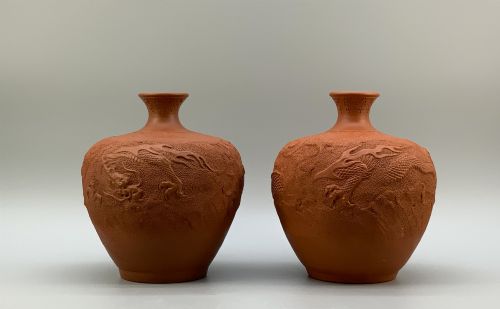
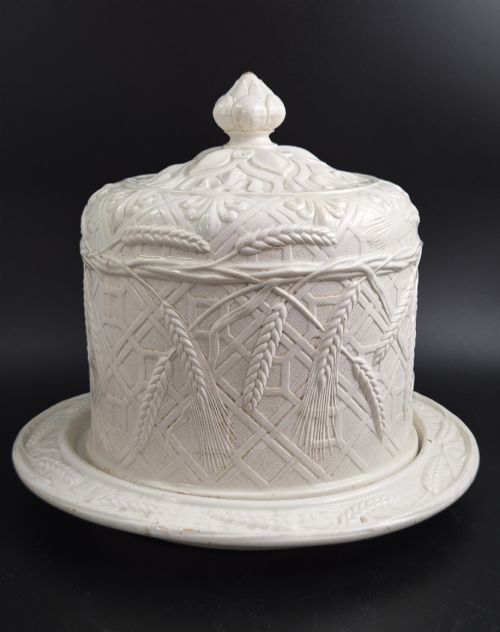
When searching for antique relief pottery, buyers encounter a diverse selection of vessels including vases, jugs, mugs, teapots, and cheese domes from the Georgian, Victorian, and Meiji periods.
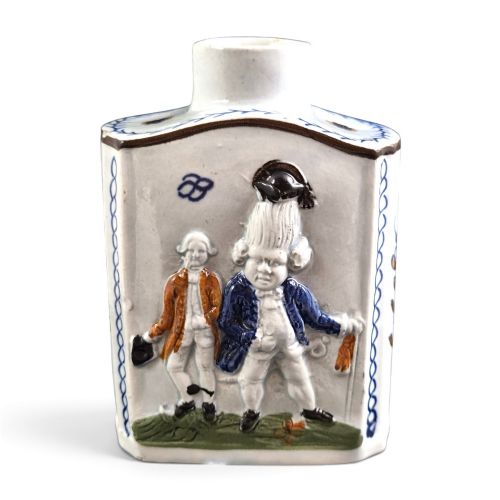
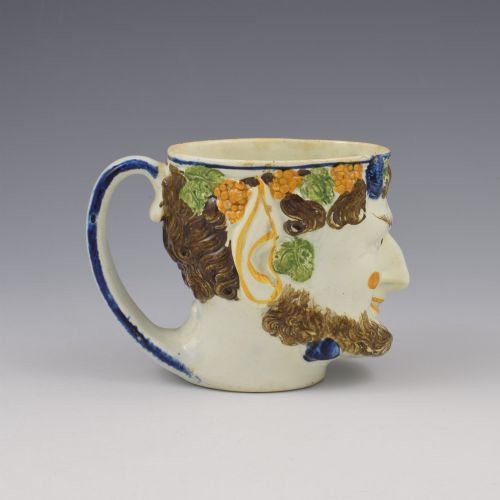
British earthenware and stoneware such as Jasperware, Majolica, and Prattware appear frequently alongside Japanese Sumida Gawa and Satsuma wares featuring applied figures and sculpted landscapes.
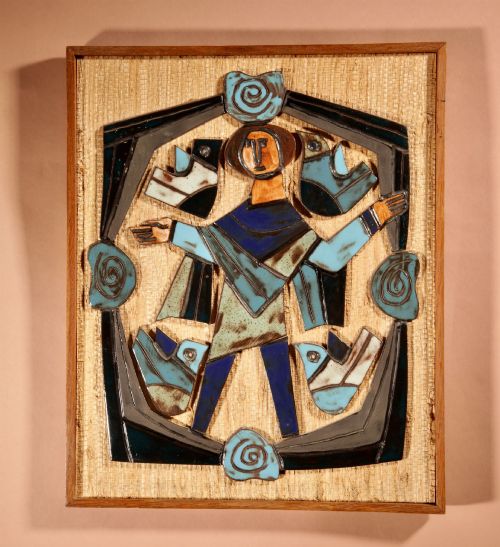
Domestic items like mustard pots and sardine boxes share space with decorative wall art, framed tiles, and devotional plaques spanning the nineteenth and early twentieth centuries.
Materials and Technique
Potters utilised earthenware, terracotta, stoneware, and ceramic bodies, often finishing pieces with coloured glazes, enamel, or flambe effects.
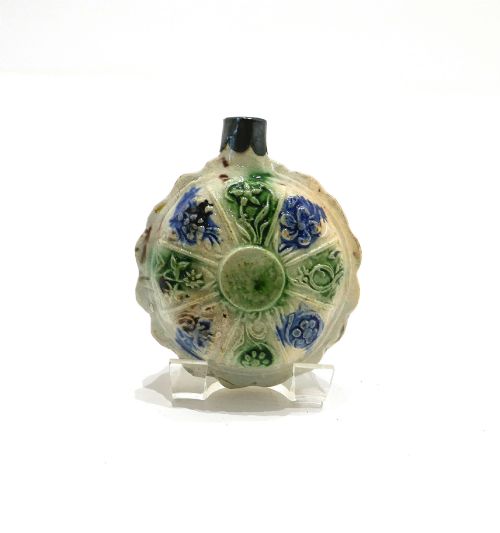
Relief decoration was achieved through moulding, sprigging, or hand-modelling figures and motifs directly onto the wet clay surface before firing.
Antique Relief Pottery Retail Price Guide 2026
Typical asking prices for relief pottery among the pieces listed under this phrase on Sellingantiques today, from the lower quarter to the upper quarter. They describe what is for sale here now, not the wider market.
Some Victorian drinking vessels incorporate hidden ceramic frogs designed to startle drinkers as they finish their ale.
Craftsmanship and Detail
The definition and crispness of the moulded or applied relief work separate standard production pieces from more accomplished studio and factory output.
Glaze application and colour distribution contribute significantly to the visual balance of the piece, particularly on wares with complex flambe or majolica surfaces.
Royal Doulton·Burmantofts Faience·Spode·Davenport·George Jones·Doulton Lambeth·Sherwin And Cotton·Inoue Ryosai·James Dudson
The Antique Relief Pottery Glossary
- Jasperware
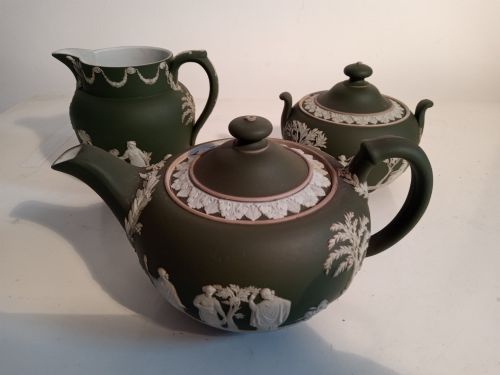
- A fine-grained, unglazed stoneware developed by Josiah Wedgwood featuring white applied relief figures against a coloured ground. It is most commonly found in shades of blue, green, and lilac.
- Majolica
- A type of earthenware coated with an opaque tin glaze and painted with metallic oxide colours. It was widely produced during the Victorian era for decorative and utilitarian tablewares.
- Sumida Gawa
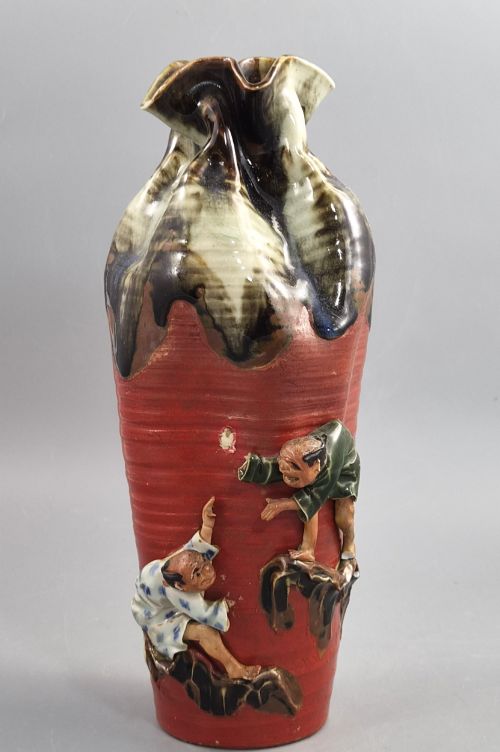
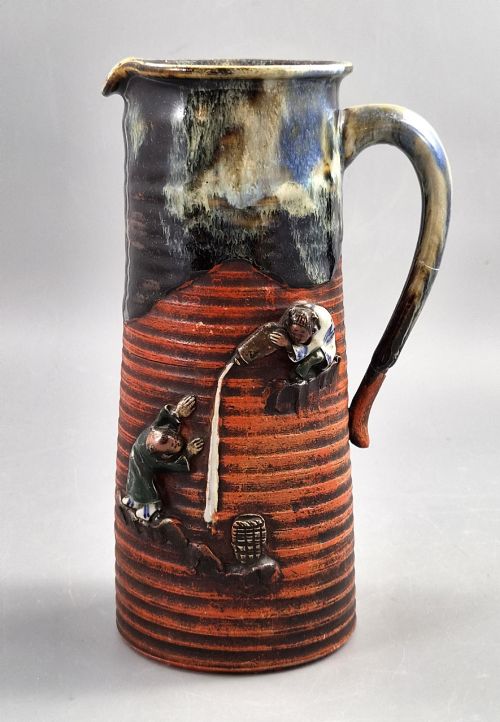
- Japanese pottery originating from the Tokyo area around the Meiji period, characterised by heavy dripping glazes and hand-modelled figures climbing across the surface.
- Prattware
- English earthenware produced from the late eighteenth century onwards, known for underglaze polychrome decoration in cobalt blue, ochre, brown, and green.
- Sprigging
- A ceramic technique where individually moulded clay motifs are attached to the unfired body of a vessel using liquid clay slip as an adhesive.
Antique Relief Pottery: Frequently Asked Questions
What is antique relief pottery?
Antique relief pottery encompasses ceramic pieces featuring raised surface decoration, ranging from moulded British stoneware to Japanese earthenware with hand-modelled figures.
These items include both decorative objects like vases and practical vessels such as jugs, teapots, and cheese domes.
How do I identify Sumida Gawa pottery?
Sumida Gawa pottery is distinguished by heavy, uneven flambe glazes and distinctive three-dimensional figures, such as sages or children, climbing across the body of the vase or mug.
Many pieces bear signatures or artist marks from workshops active during the Meiji and Taisho periods.
What is the difference between Majolica and Jasperware?
Majolica employs colourful, glossy lead glazes over moulded earthenware to create vibrant botanical and animal forms popular in the Victorian era.
Jasperware is a matte, unglazed stoneware featuring contrasting white relief designs against a solid pastel or olive background.
How should I display relief pottery at home?
Relief pottery benefits from placement where directional lighting can catch the raised details and textured surfaces of the moulded clay.
Heavier items like jardinieres, umbrella stands, and large vases suit floor placement or sturdy side tables, while smaller tiles and plaques can be wall-mounted.