
Antique Relief Carving
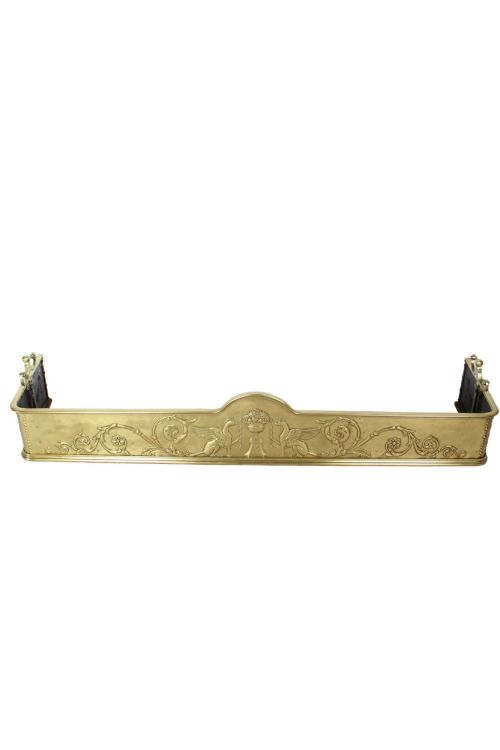
These pieces of antique relief carving bring sculpted depth to walls and furniture through centuries of wood, bronze, and stone.
Antique Relief Carving
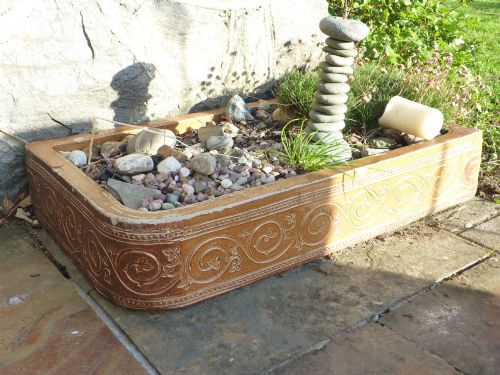
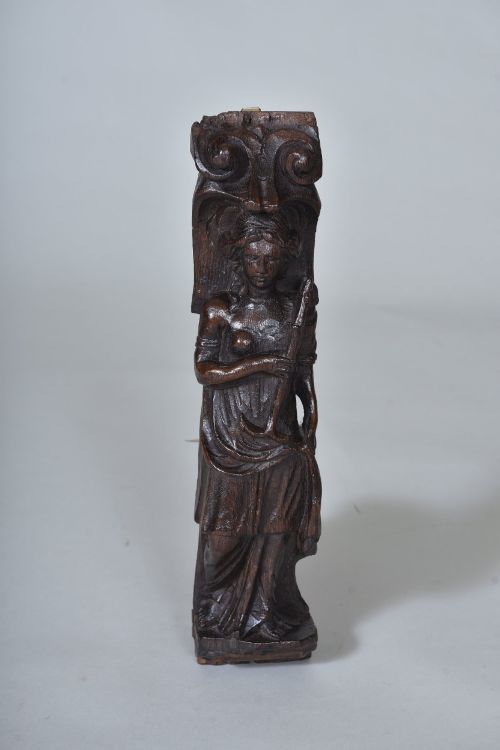
When you search for antique relief carving, you encounter a diverse range of objects where figures and patterns project from a flat background. The selection spans centuries of craftsmanship, covering wall panels, plaques, and decorative architectural elements.
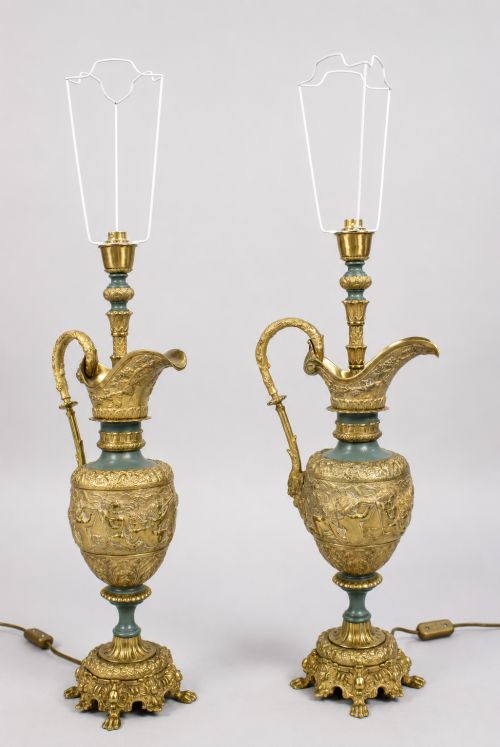
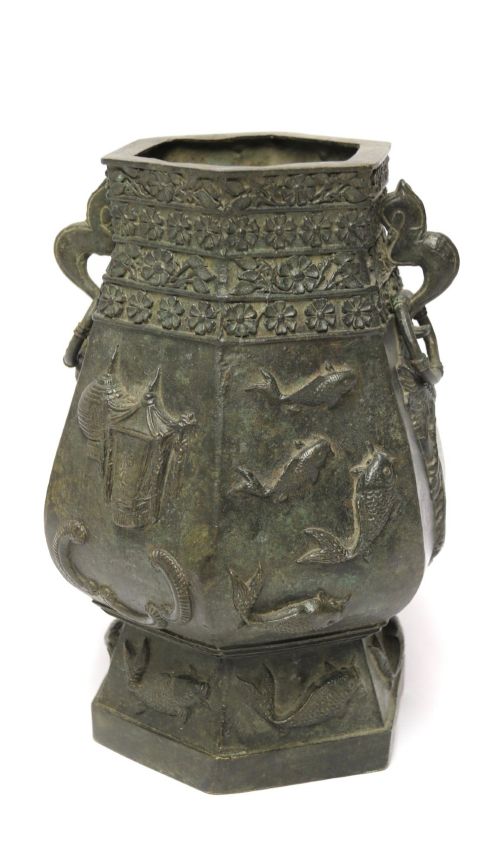
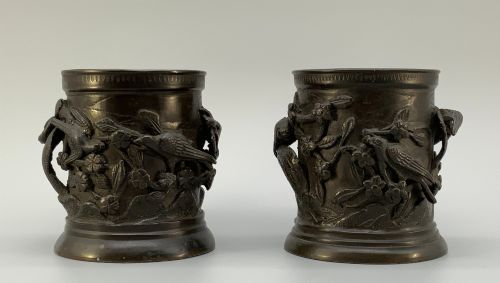
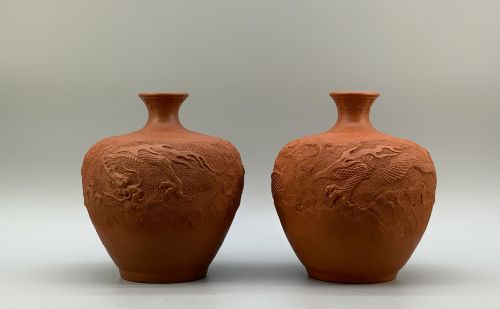
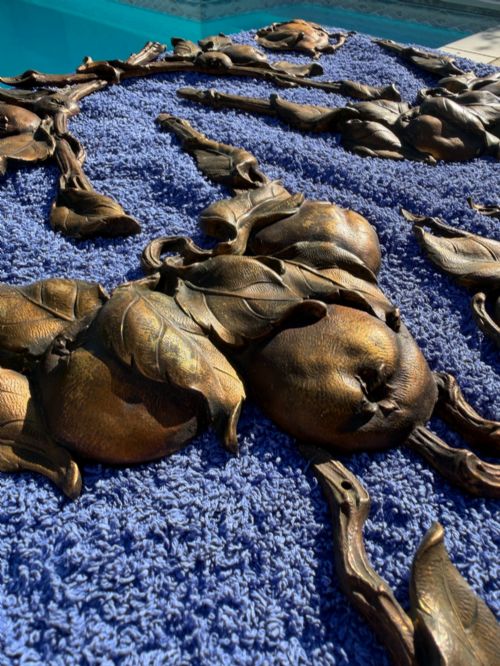
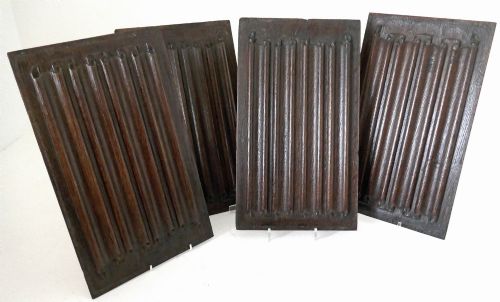
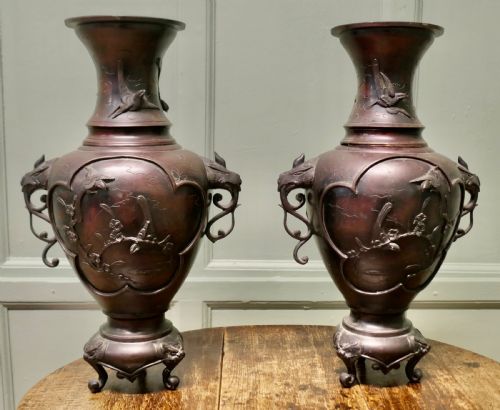
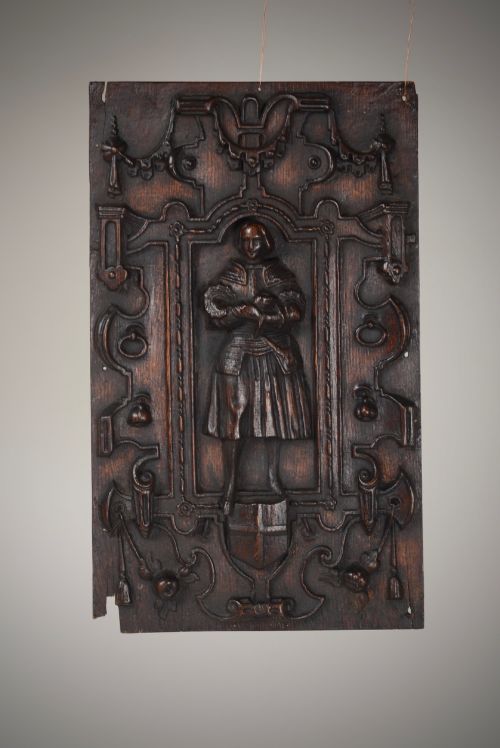
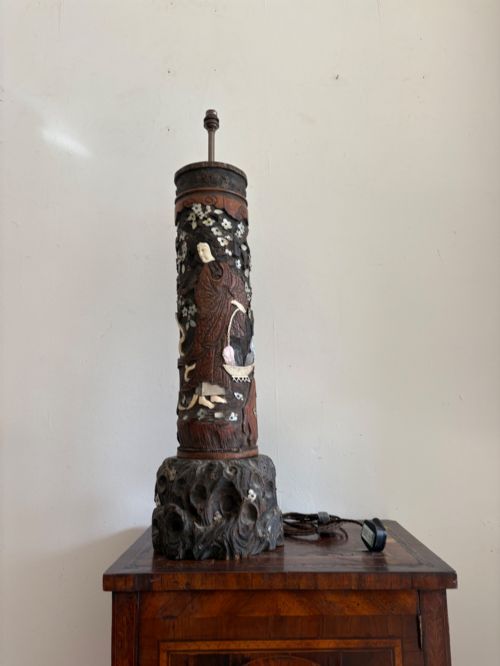
Oak and wood carvings dominate the earlier periods, including 16th-century linenfold panels and 17th-century figural scenes. Bronze and copper-alloy vessels also appear frequently, bearing high-relief depictions ranging from Japanese Meiji fauna to Daoist immortals.
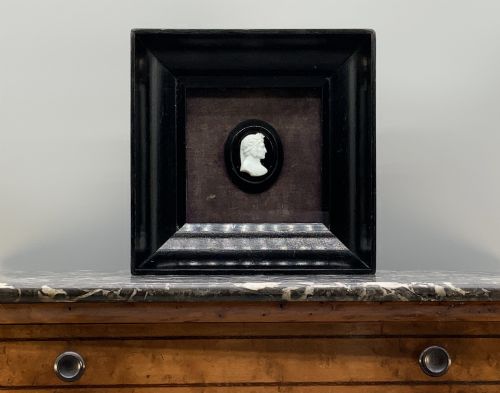
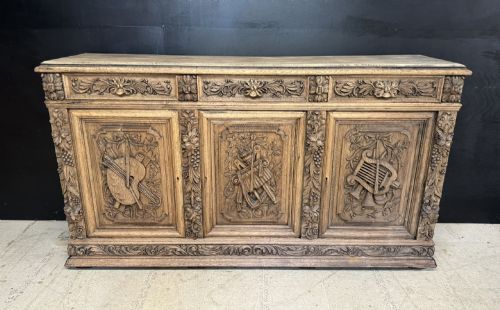
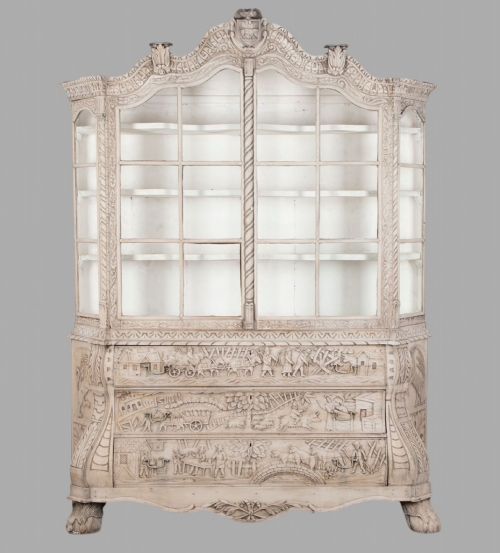
Victorian and 19th-century interpretations extend into classical ivory portraits, plaster plaques, and architectural woodwork. Buyers find these items integrated into furniture, display cabinets, and standalone wall art.
How they were made
Wood carvers utilised seasoned oak and timber, employing chisels and gouges to sink the background and leave motifs standing in relief. Panels from the 16th and 17th centuries display crisp hand-tool marks across linenfold designs and figural subjects.
Metalworkers cast bronze, brass, and copper-alloy objects using techniques that captured intricate surface details in high relief. Plaster, ivory, and gesso were similarly carved, moulded, or pressed to achieve precise neoclassical and classical portraits.
Listings feature wood, bronze, brass, gesso, glass, and timber across periods ranging from the 16th century to the 20th century.
What varies in quality
The depth and undercut of the carving separate standard workshop pieces from exceptional examples. High-relief work that stands free from the background demands greater technical skill than shallow incision.
Sharpness of detail defines the superior items, where facial expressions, foliage, and drapery remain crisp despite age. Surface preservation also matters, distinguishing pieces with original patination and minimal later intervention.
Poix Blin·Henry Bergé·Amalric Walter·Guichard Carriès
The Antique Relief Carving Glossary
- High-relief
- A sculptural technique where the figures project significantly from the background, sometimes appearing almost detached. This method creates strong shadows and a powerful sense of three-dimensional form.
- Linenfold
- A style of wood panelling carved to resemble folded lengths of fabric or linen. It is particularly common on oak panels from the Tudor and 16th-century periods.
- Gesso
- A plaster-like mixture applied to wood or canvas as a base for moulding or gilding. It allows for sharp, crisp relief decoration on frames and wall plaques.
- Polychrome
- Painted in several colours, often found on older wooden panels and sculptures to add realism to the carved figures.
Antique Relief Carving: Frequently Asked Questions
How are antique relief wood panels cleaned?
Dust accumulated in the carved recesses should be gently removed using a soft, dry natural bristle brush.
Avoid liquid cleaners, moisture, and polishes that can build up in the intricate crevices and damage the aged wood surface.
Can heavy bronze relief plaques be hung on plaster walls?
Substantial metal pieces require secure fixings anchored directly into wall studs or masonry support.
Using standard picture wire or light fixings is unsafe given the considerable weight of cast bronze and copper-alloy wall art.
How do I date a carved oak panel?
Tool marks, timber species, and joint construction methods provide the clearest chronological indicators for older woodwork.
Sixteenth-century panels often show distinct adze and chisel signatures, whereas later copies frequently reveal machine-cut precision.
Where were relief panels originally displayed?
Many wooden and stone panels formed part of larger architectural schemes inside churches, civic buildings, and wealthy homes.
Altarpieces, wall linings, and cabinet doors integrated these carved scenes into daily domestic or religious life.