


Antique Relief Box
An antique relief box brings sculptural depth and tactile history to a room through chased silver, carved camphor wood, and moulded ceramic.
Antique Relief Box
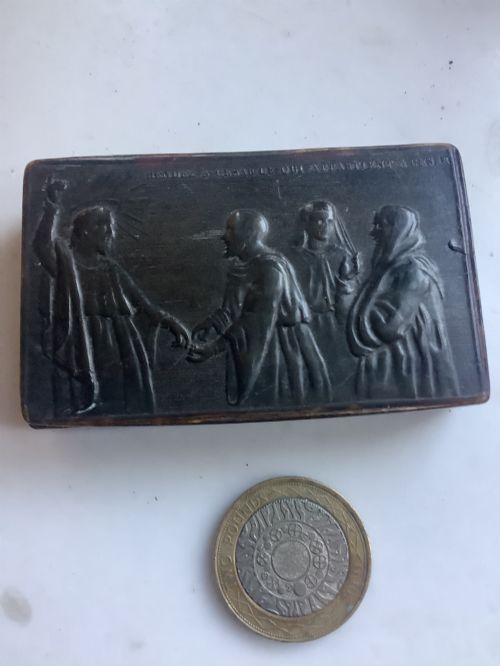
An antique relief box encompasses small receptacles and larger chests featuring raised surface decoration, spanning materials from sterling silver to carved wood. Buyers searching for an antique relief box frequently encounter Georgian and Victorian examples designed for snuff, trinkets, or personal storage.
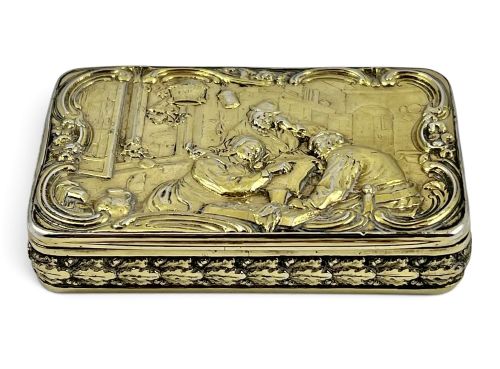
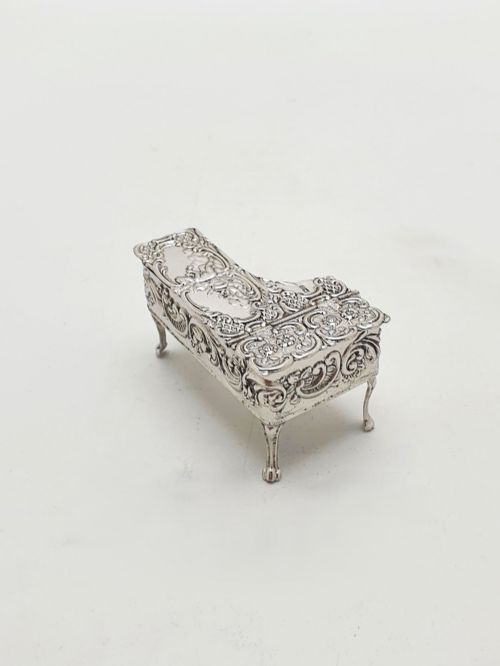
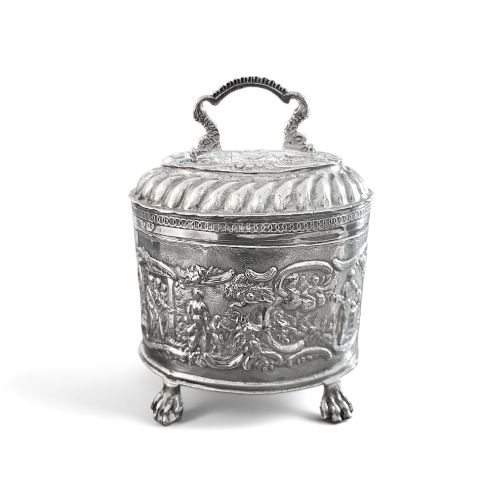
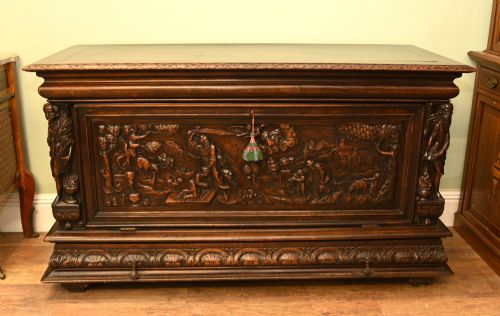
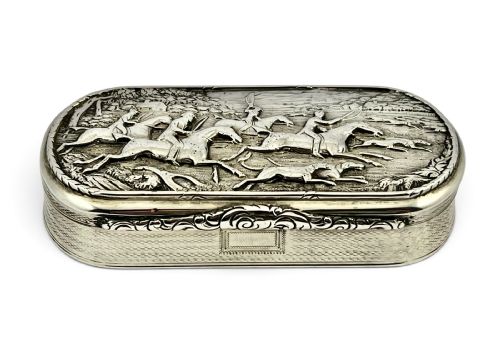
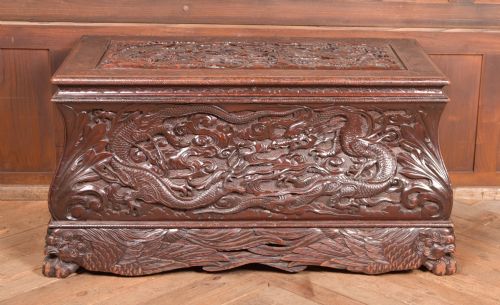
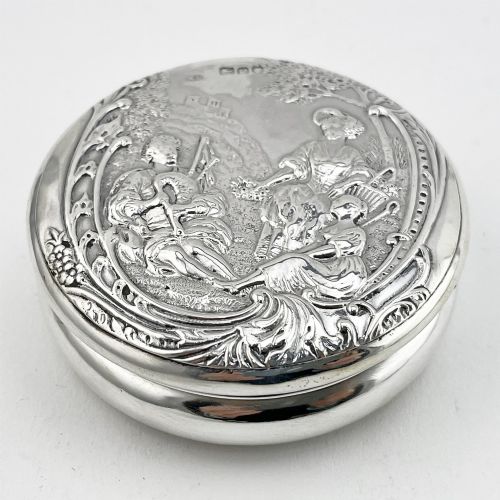
The selection extends from pocket-sized silver snuff boxes decorated with repoussé figures to substantial Chinese camphor wood chests and Italian ceramic caskets. These containers served varied domestic functions, acting as receptacles for tobacco, jewellery, or tea while displaying elaborate surface ornamentation.
How they were made
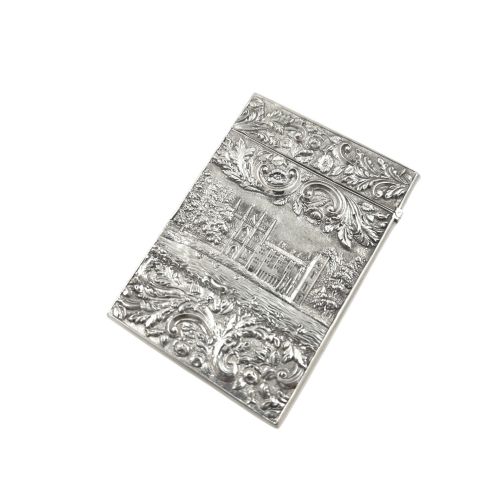
Silversmiths utilised repoussé and chasing techniques to hammer and punch raised scenes into sterling silver and silver gilt, creating detailed pictorial lids. Woodworkers carved intricate motifs directly into camphor wood, teak, walnut, and bamboo, producing deep surface dimension on trunks and caskets.
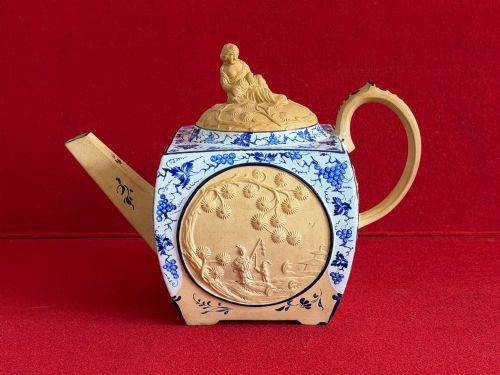
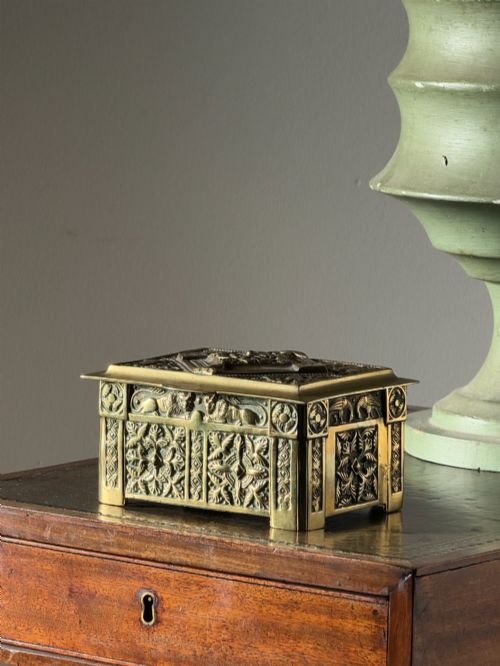
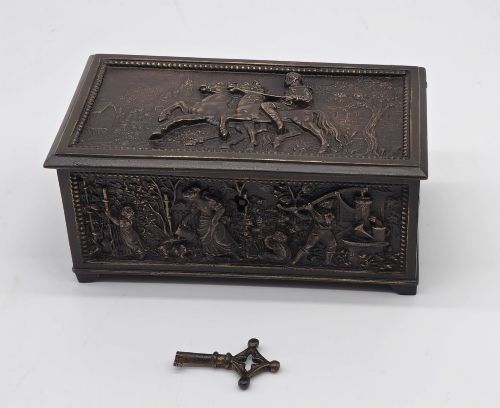
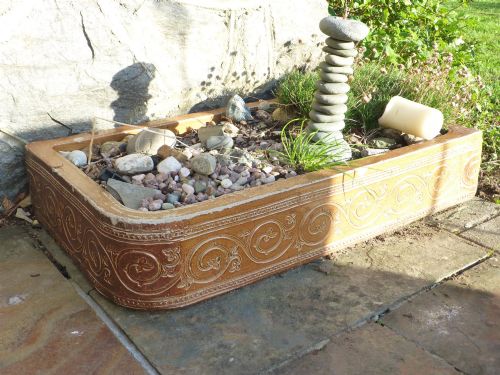
Ceramic and stoneware boxes relied on moulding and casting, as seen in majolica, stoneware, and porcelain pieces shaped with botanical or figural relief. Metalworkers also cast bronze and gilt metal into caskets and boxes featuring applied architectural elements and figural finials.
Antique Relief Box Retail Price Guide 2026
Typical asking prices for relief box among the pieces listed under this phrase on Sellingantiques today, from the lower quarter to the upper quarter. They describe what is for sale here now, not the wider market.
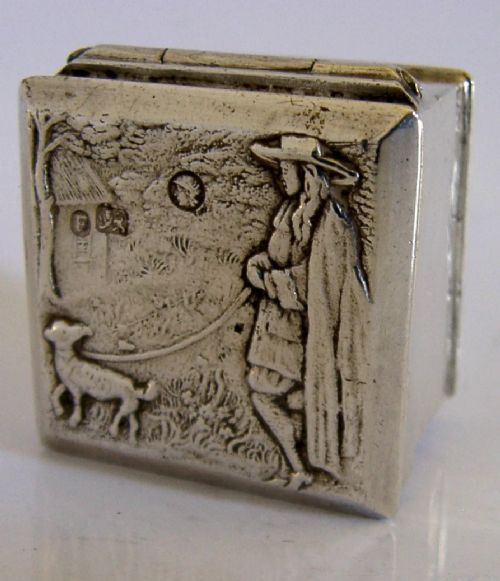
Canine companions made their mark on history: several boxes feature faithful dog finials or raised scenes of dogs out walking.
What varies in quality
The clarity and crispness of the raised decoration dictate the visual success of the piece, separating finely chased or carved surfaces from softer, worn mouldings. In silver and metalwork, deep relief with sharp undercut details demonstrates superior craftsmanship compared to shallow, mass-produced stamping.
The choice of materials and the integrity of construction also differentiate pieces, from solid hardwoods and heavy cast silver to lighter veneers and base metals. The precision of the joinery and the preservation of the original surface finish influence the overall standing of the container.
George Jones·Guichard Carriès·Giovanni Liberotti·Pietro Bracci·Spode·Wedgwood
The Antique Relief Box Glossary
- Repoussé
- A metalworking technique where the artisan hammers the metal from the reverse side to form a raised design on the front. This method creates tactile pictorial scenes on silver boxes and tea caddies.
- Camphor Wood
- An aromatic timber native to Asia, prized for its insect-repellent properties and durability. It is frequently carved deeply for substantial storage trunks and chests.
- Casket
- A decorative box or small chest traditionally used for holding jewels, letters, or valuables. These containers often feature elaborate surface decoration, hinges, and fitted interiors.
- Snuff Box
- A small pocket container designed to hold powdered tobacco. Examples often feature hinged lids decorated with repoussé figures or carved scenes.
- Majolica
- A type of earthenware coated with an opaque tin glaze and painted with bright colours. Victorian makers utilised this technique for moulded decorative boxes.
Antique Relief Box: Frequently Asked Questions
How were silver relief boxes used?
Silver relief boxes were typically manufactured as pocket-sized containers for snuff or as larger table boxes for keepsakes and tobacco. Their ornate lids provided a tactile surface for display in drawing rooms and parlours.
Owners carried smaller pieces for daily use or placed table caddies in prominent reception spaces. The chased scenes often sparked conversation among guests.
What materials are common in these boxes?
Common materials include sterling silver, silver gilt, camphor wood, walnut, teak, bronze, porcelain, and stoneware. Each material allowed artisans to employ different sculptural techniques.
Metalworkers hammered silver into repoussé designs, while woodcarvers worked directly into dense timbers like camphor wood and oak. Ceramic makers shaped clay into moulded caskets and majolica containers.
How do I care for carved wooden chests?
Carved wooden chests and camphor trunks require stable indoor humidity and protection from direct sunlight to prevent timber movement. Dusting gently with a dry, soft cloth maintains the finish without harming the carved crevices.
Avoid placing these chests near direct heat sources which can dry out the wood. Occasional light waxing preserves the natural lustre of hardwoods like walnut and teak.