

Antique Red Mirror
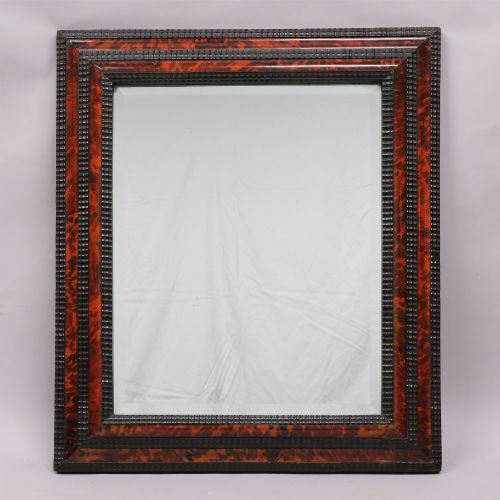
An antique red mirror brings depth and warmth to a room through rich cinnabar lacquer, scarlet japanning, or ruby borders set against carved wood.
Antique Red Mirror
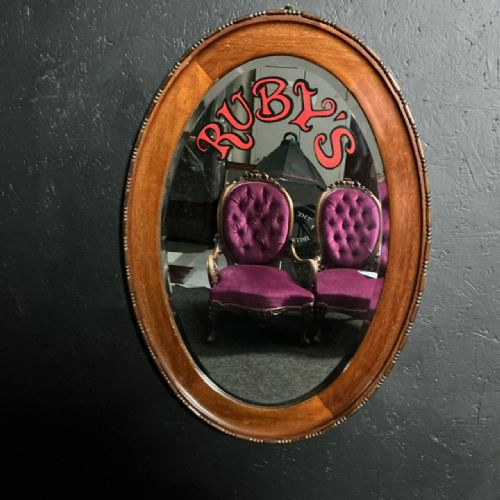
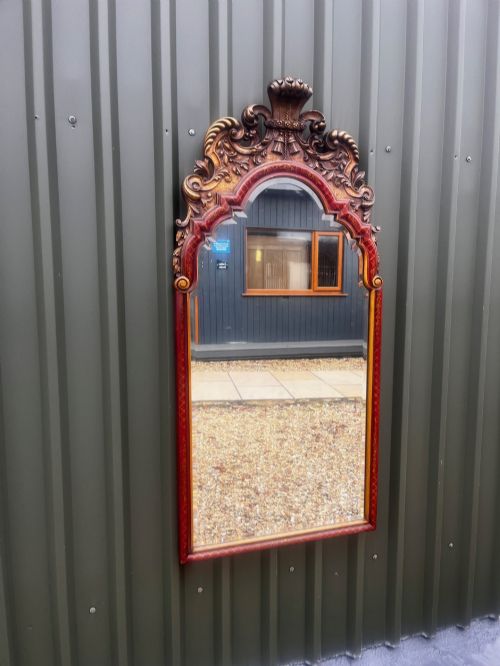
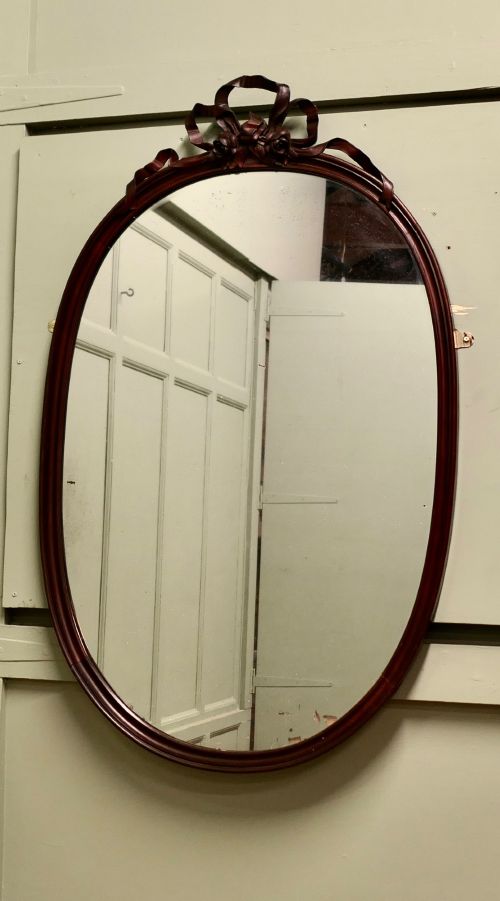
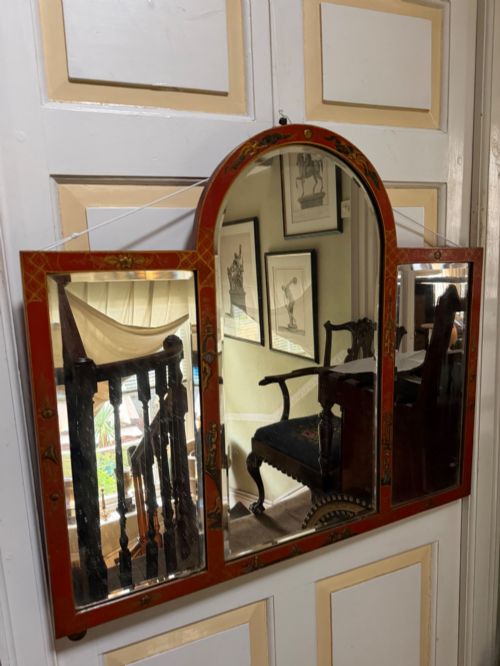
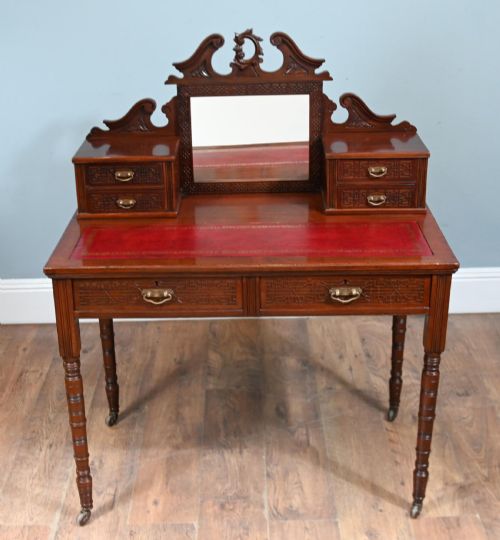
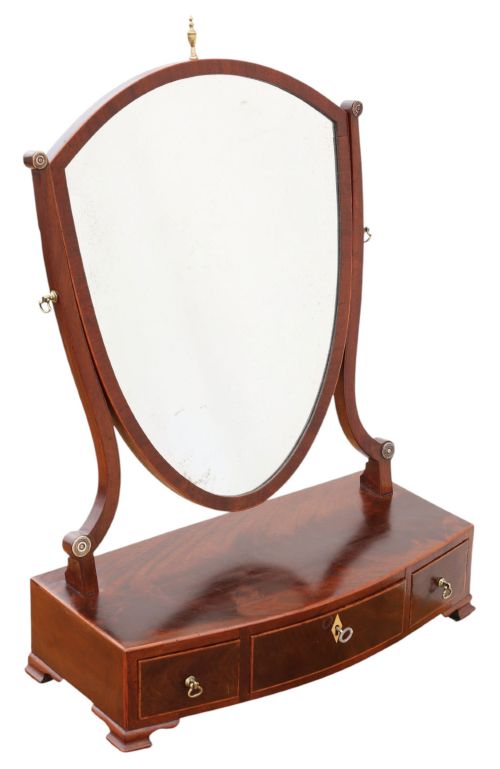
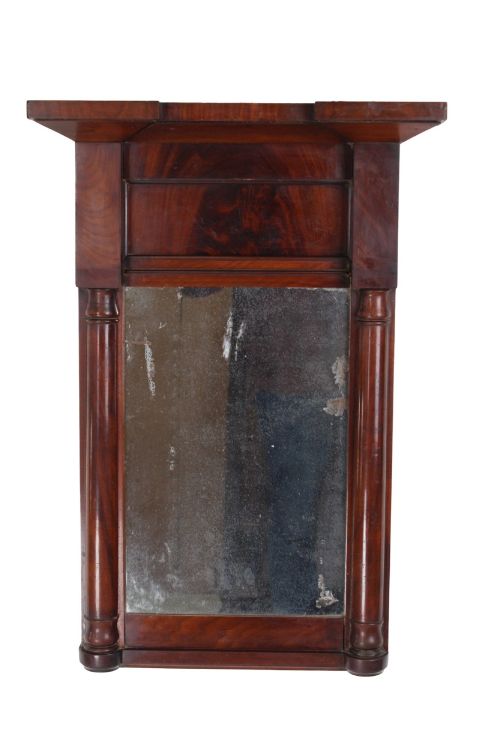
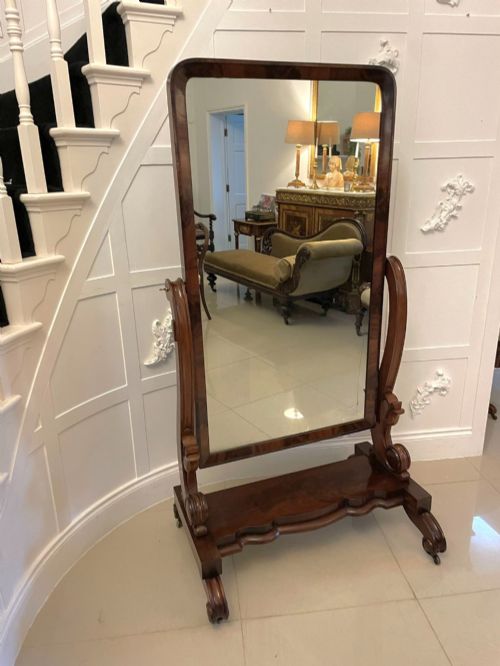
An antique red mirror encompasses wall-hanging plates, upright cheval frames, and dressing table swing glasses produced across the nineteenth and early twentieth centuries. The primary forms found here include Chinese lacquer pagoda pieces, Venetian etched glass with ruby borders, and scarlet japanned frames following Georgian or Queen Anne designs.
These items served both functional and decorative roles in period interiors, reflecting light while introducing a bold splash of colour through painted or lacquered surfaces. Makers utilised traditional techniques to build up layered finishes that have matured with distinct character over decades of use.
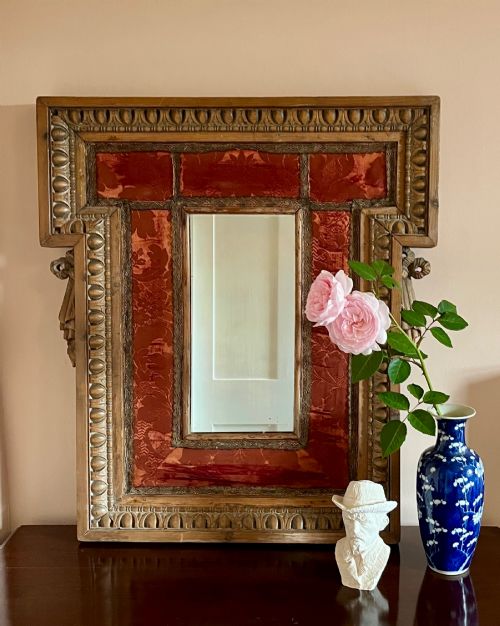
Buyers searching for this phrase encounter a diverse array of stylistic revivals alongside genuine period examples from the Victorian and Edwardian eras. The selection balances orientalism, such as Chinoiserie landscapes, with European frame styles including gilt-on-red camel crests and carved scarlet woodwork.
Materials and Construction
Makers constructed these frames from solid timbers like mahogany, pine, and rosewood, often applying intricate gesso or carved details before finishing. Artisans built up vibrant red surfaces using multiple layers of lacquer, japanning, or red paint, frequently embellished with gold leaf highlights and hand-painted motifs.
Glass plates in this category feature traditional silvering methods, sometimes displaying bevelled edges, acid etching, or reverse painting. Venetian examples incorporate cut and etched glass sections held together with specialised pins and secured within robust wooden backings.
Antique Red Mirror Retail Price Guide 2026
Typical asking prices for red mirror among the pieces listed under this phrase on Sellingantiques today, from the lower quarter to the upper quarter. They describe what is for sale here now, not the wider market.
Listings feature red finishes across styles like Chinoiserie, Queen Anne, and Art Deco, utilising materials such as lacquer, paint, and giltwood.
Markers of Quality
The distinction between standard items and exceptional pieces rests in the depth and execution of the red surface treatment. Superior examples display meticulously built-up japanning or hand-carved Chinoiserie details where the underlying gesso and gold leaf display crisp definition.
Construction methods also dictate grade, with finer mirrors utilising dense hardwoods, original mercury or early silvered glass with authentic oxidation, and sturdy pegged joinery. The harmony between the glass plate and the decorative red frame remains a key indicator of original craftsmanship.
Maple & Co·Paul Sormani
The Antique Red Mirror Glossary
- Japanning
- European imitation of East Asian lacquerwork, created by building layers of resin and paint on a wooden substrate. Artisans then heat-cured the surface and decorated it with raised gilt motifs.
- Cheval mirror
- A full-length swing glass supported by a vertical frame and four feet. This freestanding form allows the glass to tilt for adjusting the viewing angle.
- Chinoiserie
- European theatrical interpretation of Chinese and East Asian artistic traditions. This style heavily influenced the decorative red lacquer schemes found on many period frames.
- Pier mirror
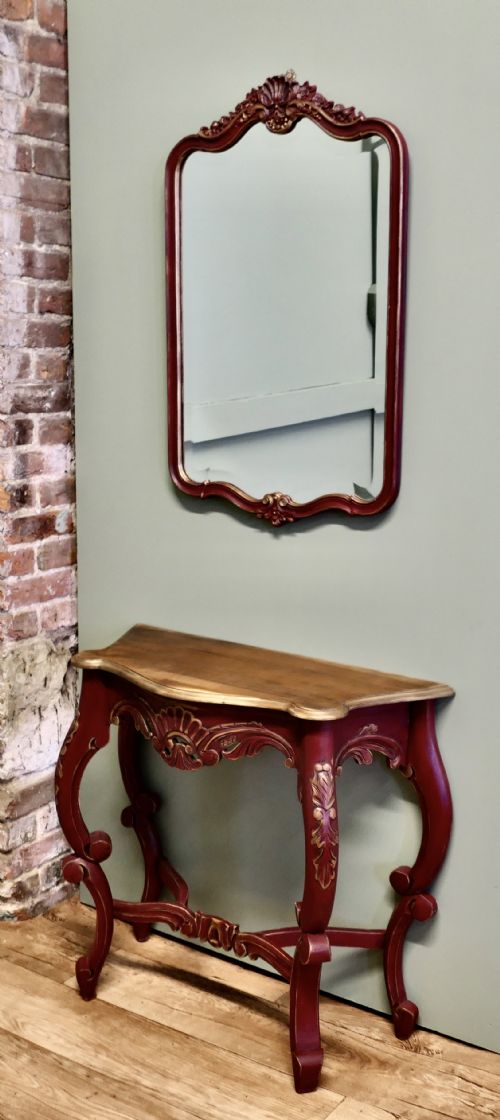
- A tall, narrow glass designed to hang on the wall space between windows. These pieces frequently match console tables positioned directly below them.
- Giltwood
- Timber carved and prepared with gesso before the application of gold leaf. Red bole is traditionally used as the base layer beneath the gold to provide warmth.
Antique Red Mirror: Frequently Asked Questions
What is an antique red mirror?
An antique red mirror is a wall-hanging, cheval, or dressing table glass featuring a frame finished in red paint, lacquer, or japanning. These pieces date primarily from the nineteenth and early twentieth centuries.
They combine practical glass plates with decorative red surfaces, ranging from Chinese export pieces to European Chinoiserie and Venetian ruby-bordered designs.
Where were these mirrors placed?
Pier mirrors hung in the narrow wall spaces between windows to maximise light reflection in period reception rooms. Overmantel mirrors sat directly above fireplace mantelpieces as focal points.
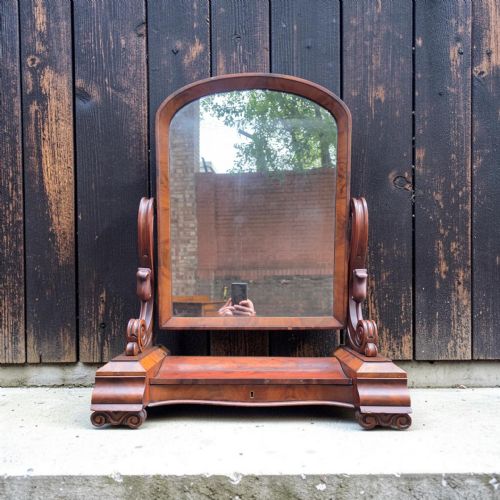
Smaller swing glasses stood upon dressing tables and mahogany chests in bedrooms, while large cheval mirrors functioned as freestanding dressing accessories.
How do I date a red mirror?
Dating relies on examining the timber construction, frame style, and the manufacturing technique of the glass plate. Georgian and Regency pieces show different joinery and carving profiles compared to Victorian revivals or Art Deco designs.
Evidence of age also appears in the silvering of the glass, where oxidation and hand-bevelling indicate nineteenth-century production methods.
How do I care for antique lacquer?
Maintain red lacquer and japanning by keeping pieces away from direct sunlight and fluctuating heat sources. Dust the carved surfaces gently with a dry, soft cloth.
Avoid liquid cleaners, chemical polishes, and abrasive materials that can damage the delicate layers of paint, gesso, and gold leaf.