

Antique Red Lamp
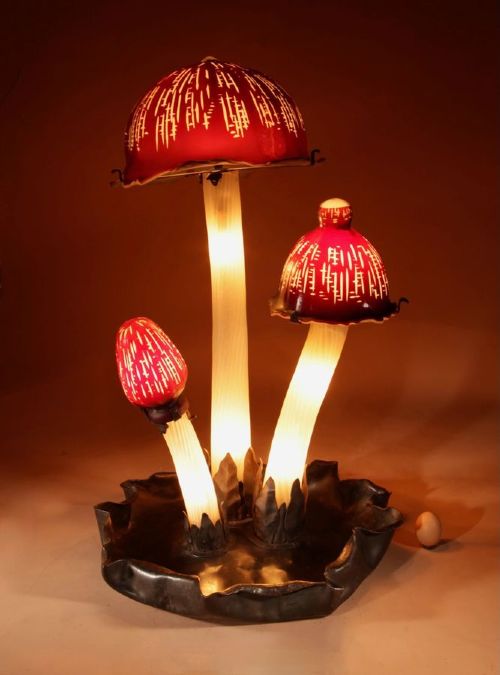
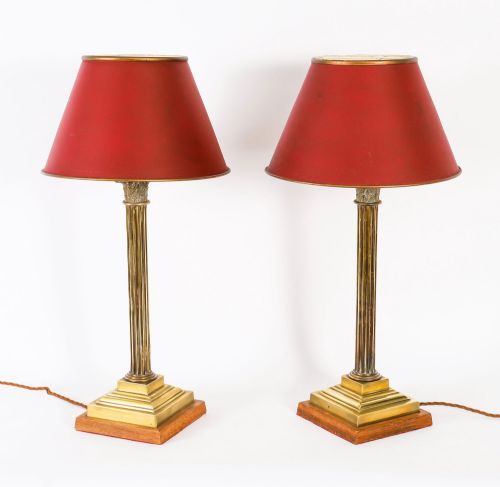
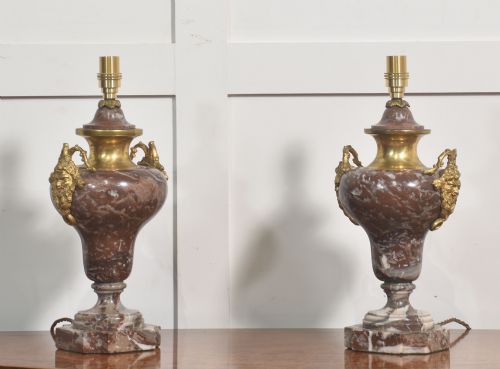
An antique red lamp brings deep colour and period weight to a room, whether through ruby glass, crimson lacquer, or rouge marble.
Antique Red Lamp
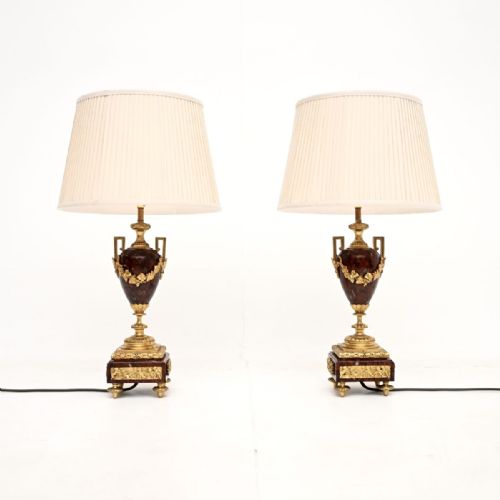
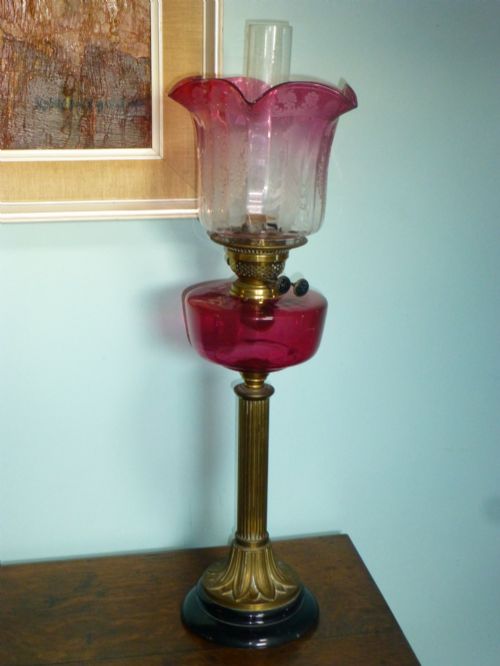
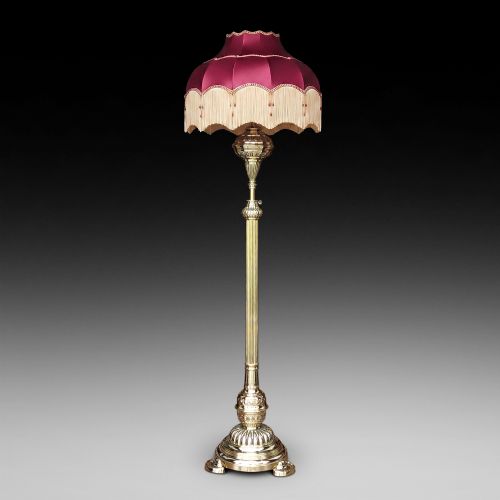
The selection frequently includes table lamps and floor lamps alongside occasional furniture adapted or built for illumination. Pieces emerge from diverse origins, encompassing French ormolu-mounted marble, Bohemian etched glass, and British or continental brass work.
How they were made
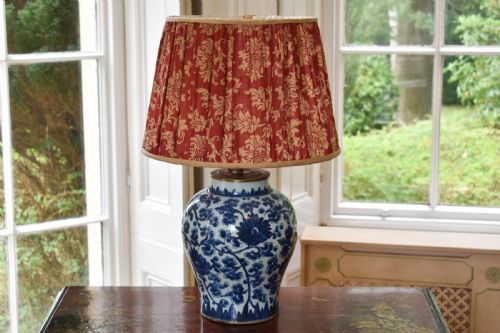
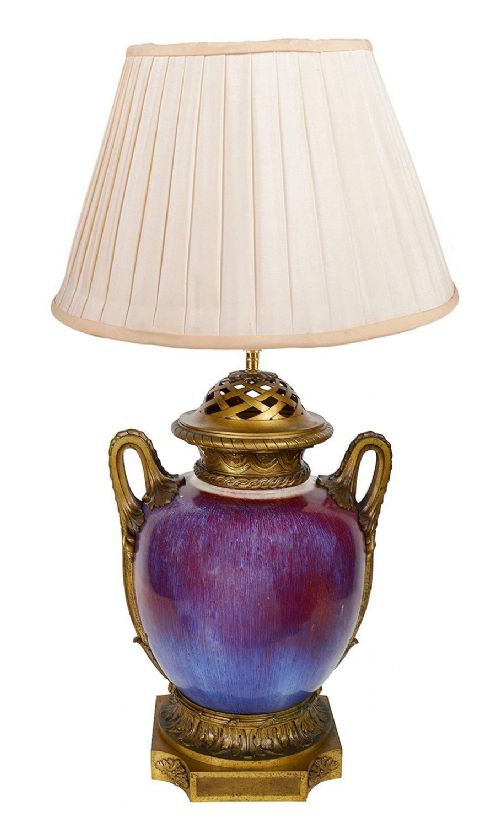
Makers utilised heavy materials such as brass, bronze, and mahogany to provide structural stability for lighting columns and table bases. Marble and porcelain added substantial weight and colour, particularly in French and Chinese export pieces.
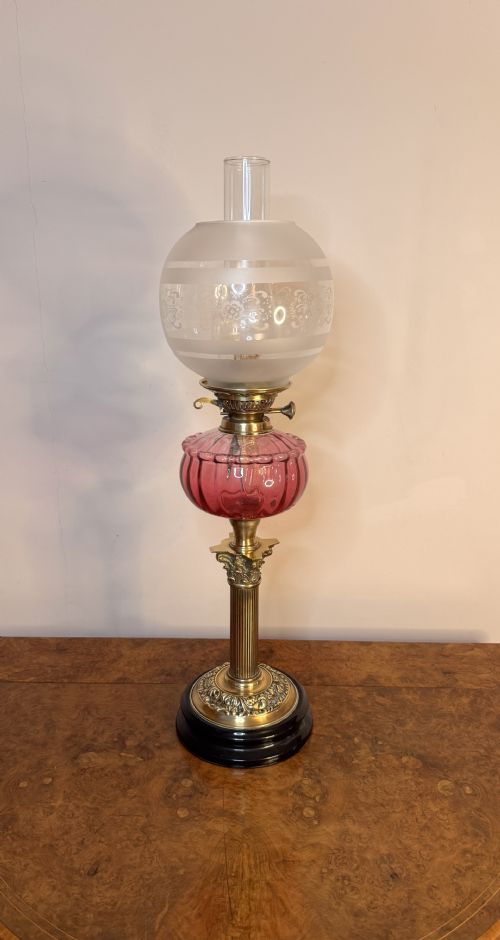
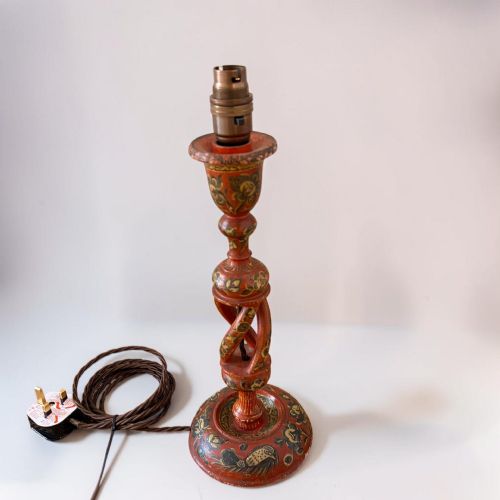
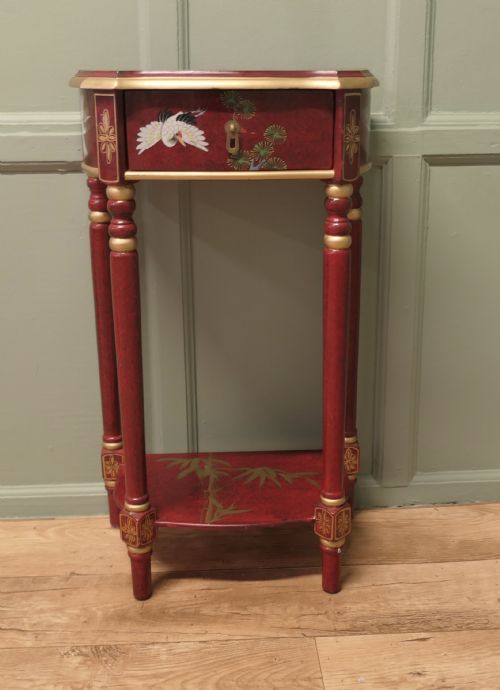
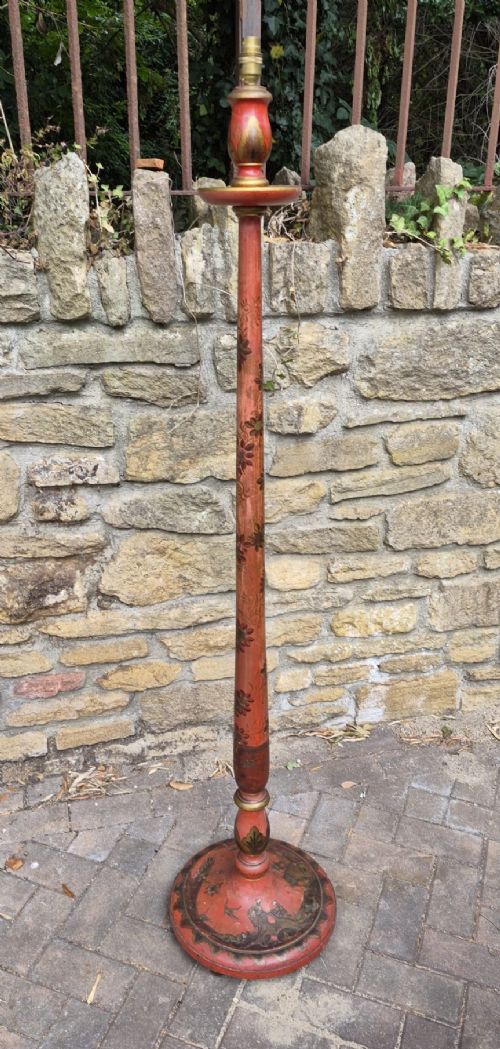
Surface decoration involved intricate hand painting, gilding, and lacquer work, seen in Chinoiserie standard lamps and Kashmiri wooden bases. Glass elements, such as cranberry fonts and ruby shades, were mouth-blown and frequently etched or gilt.
Antique Red Lamp Retail Price Guide 2026
Typical asking prices for red lamp among the pieces listed under this phrase on Sellingantiques today, from the lower quarter to the upper quarter. They describe what is for sale here now, not the wider market.
Several lamps double as conversation pieces with concealed burner mechanisms that have survived more than a century of domestic service.
What varies in quality
The division between standard production and superior work rests on the precision of the casting and the depth of the hand finishing. Finer bronze and brass mounts display crisp chasing, while lesser examples exhibit softer detail and simpler assembly.
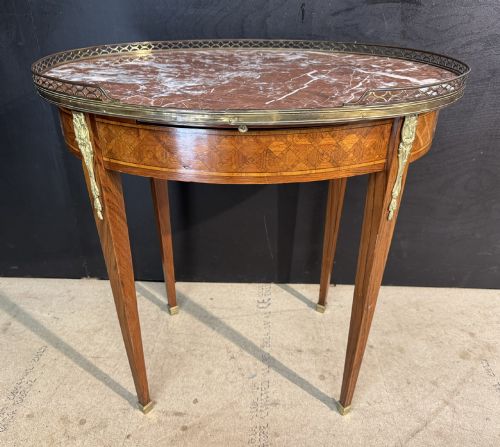
Material selection dictates much of the distinction, such as the use of genuine rouge marble rather than painted substitutes, or deep, layered lacquer work instead of basic surface pigment. The integrity of the original components, from glass fonts to giltwood carving, determines the overall character of the piece.
Hinks of B'ham·Moorcroft Art Pottery
The Antique Red Lamp Glossary
- Ormolu
- Gilded bronze, widely employed by French makers for decorative mounts and lamp bases during the nineteenth century. This technique involved applying a mercury and gold amalgam to cast bronze.
- Chinoiserie
- European decorative style reflecting Chinese artistic traditions, characterised by hand-painted lacquer work and figures. It appears frequently on early twentieth-century standard lamps and tables.
- Duplex burner
- A double-wick mechanism developed in the nineteenth century to increase the illumination of oil lamps. It requires specific twin-wick carriers.
- Rouge marble
- A deep red, variegated limestone quarried primarily in France, utilised for heavy lamp bases and table surfaces. Its natural veining ensures no two pieces share identical patterns.
- Sang de boeuf
- A rich ox-blood red ceramic glaze developed in China, often seen on vase lamps dating from the eighteenth century. The colour derives from reduced copper fired at high temperatures.
Antique Red Lamp: Frequently Asked Questions
How do I wire an old lamp?
Rewiring requires running modern flexible cable through the existing central channel or column without altering the historic metal or wooden structure. A qualified electrician should handle the installation to ensure safety and compliance with current standards.
Original burners and switches can often be retained as sleeves around modern lamp holders. This preserves the external appearance while providing reliable daily operation.
What is a duplex oil lamp?
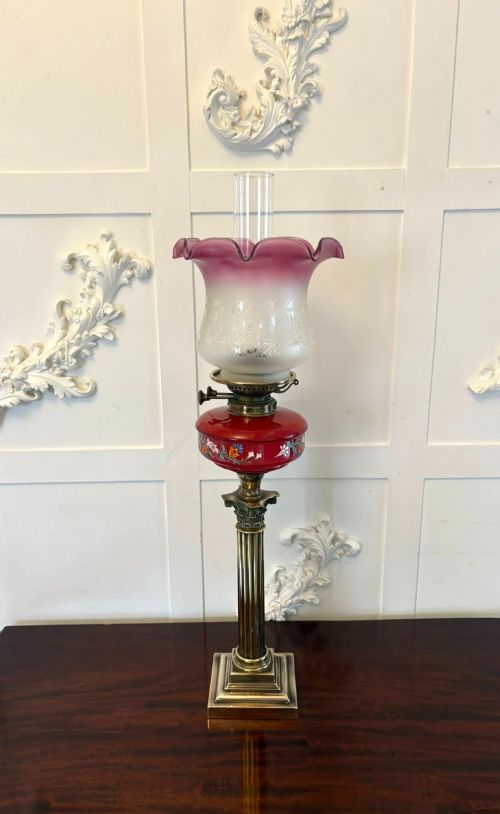
A duplex oil lamp uses a twin-wick burner designed to produce a brighter flame than standard single-wick models. These mechanisms became common during the Victorian period.
The large brass fonts found on these lamps frequently held paraffin, feeding the double burners above columns of brass or ceramic.
Are ruby glass shades original?
Ruby and cranberry glass shades on nineteenth-century lamps were mouth-blown and frequently etched, flashed, or gilded. Determining originality involves examining the fit to the burner gallery and the wear around the fitter rim.
Matching glass colours to the period of the brass base helps confirm whether the shade and lamp started life together.