


Antique Red Bag
When searching for an antique red bag, collectors encounter woven tribal containers, grain sacks, and saddle bags originating from Central Asia and Persia.
Antique Red Bag
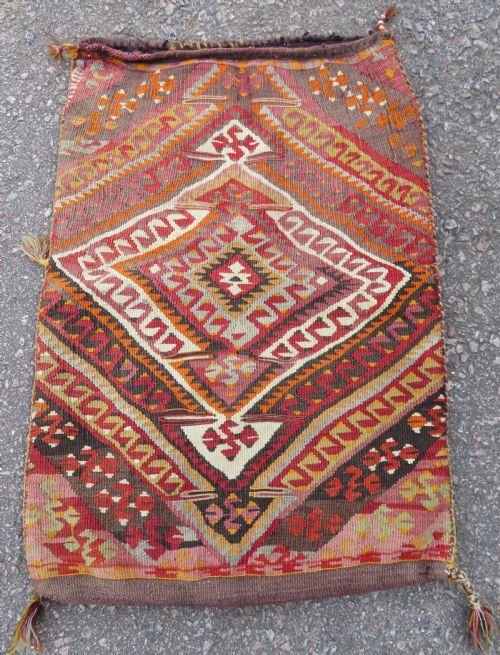
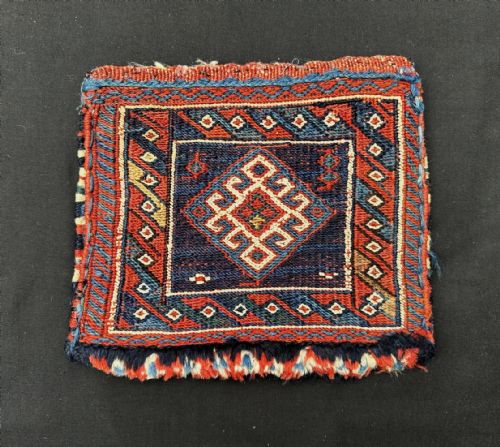
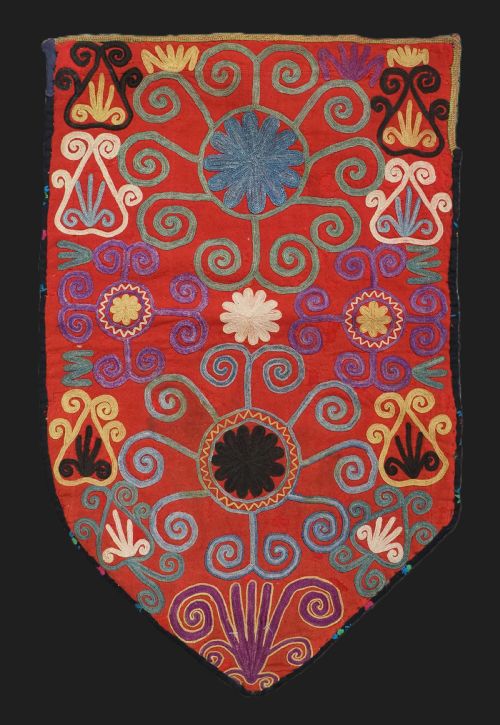
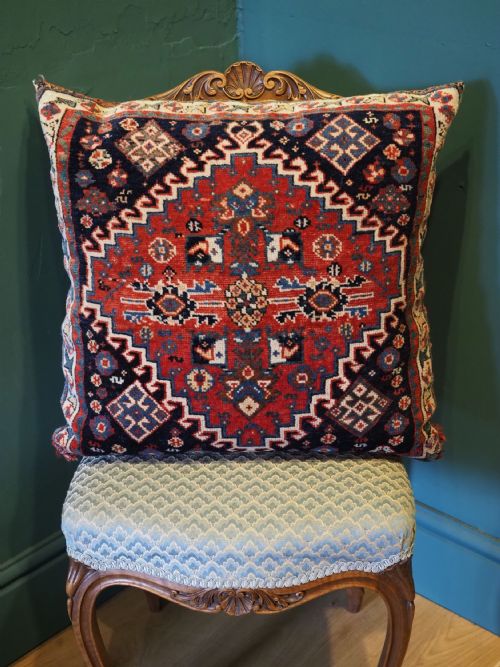
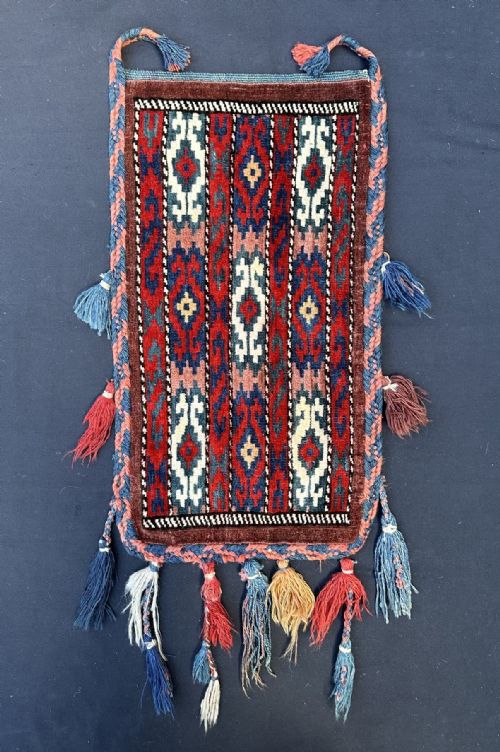
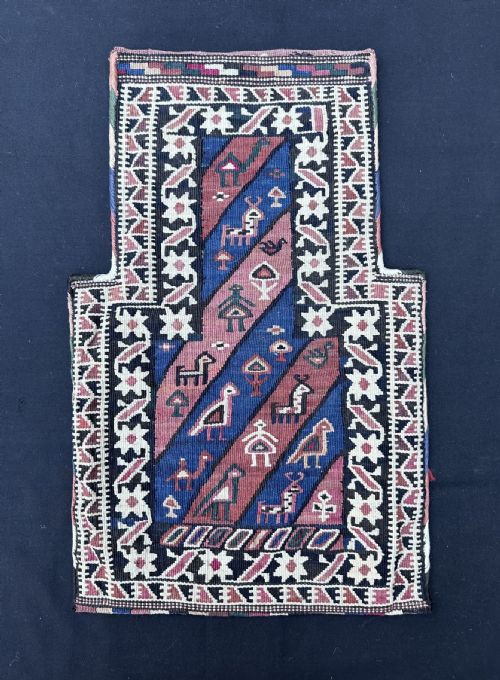
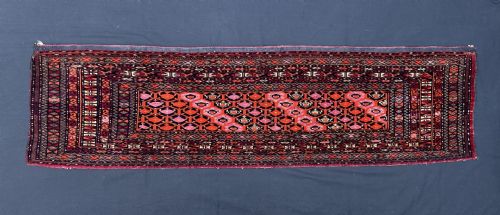
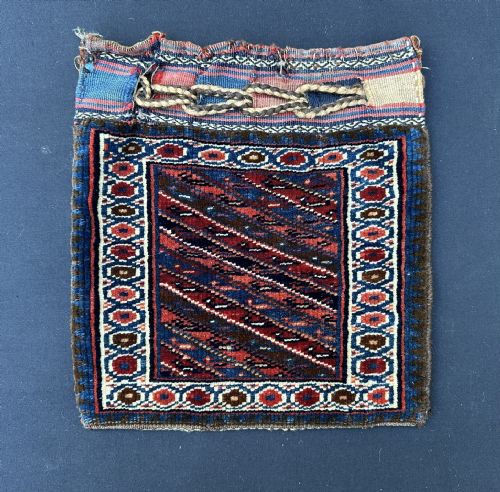
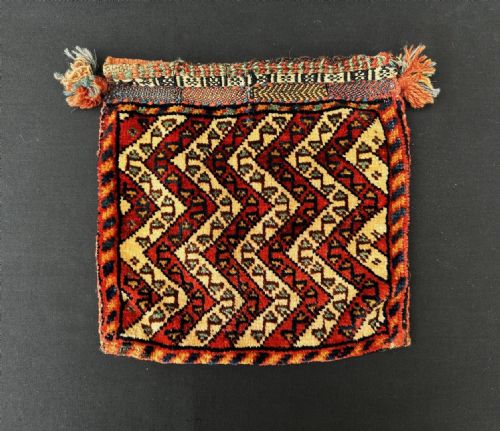
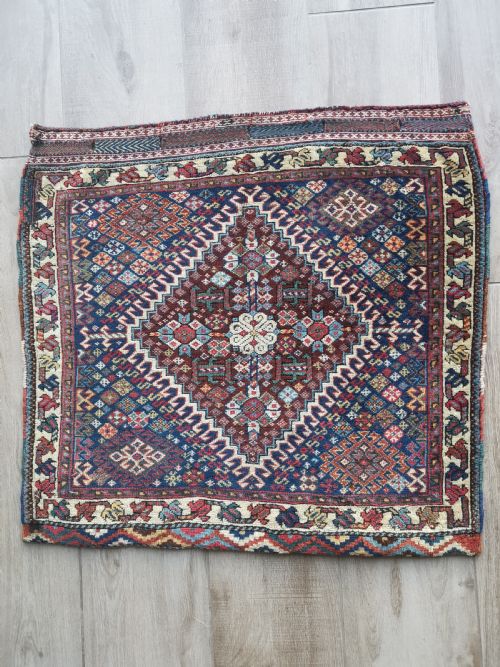
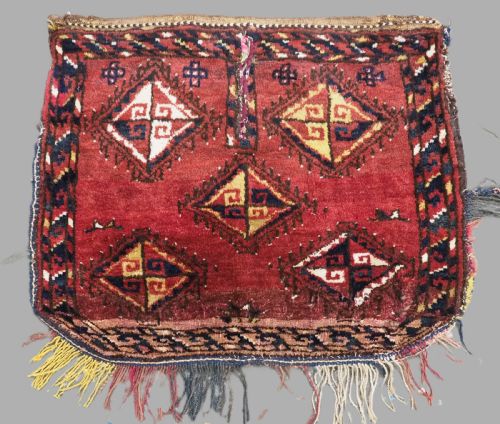
An antique red bag encompasses tribal textiles such as vanity bags, salt bags, saddle bags, and tent bags created by nomadic and village groups. These pieces include formats like torbas, chuvals, and chantehs produced across Persia, Anatolia, and Central Asia.
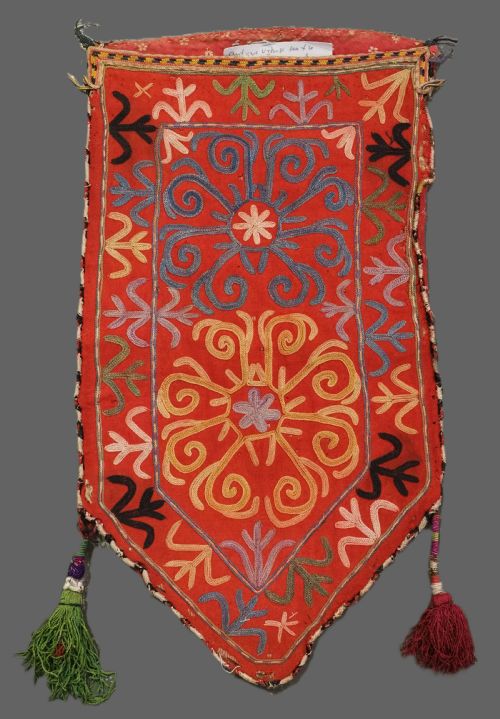
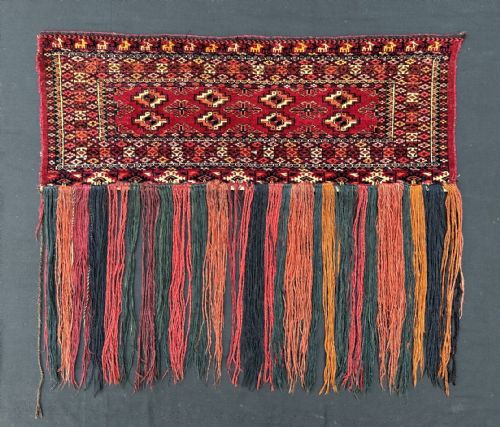
The selections on this page span the nineteenth and early twentieth centuries, featuring distinct regional formats like Turkmen tent bands and Uzbek utility bags. Each item represents utilitarian nomadic weaving intended for storage or transport.
Tribal weavers utilised rich madder dyes to produce dominant red ground colours, distinguishing these textile containers through deep crimson and terracotta tones.
How they were made
These textiles rely on hand-spun wool combined with cotton and silk elements, structured through pile knotting or flatweave techniques. Natural dyes derived from local plants and minerals provide the characteristic colour palette.
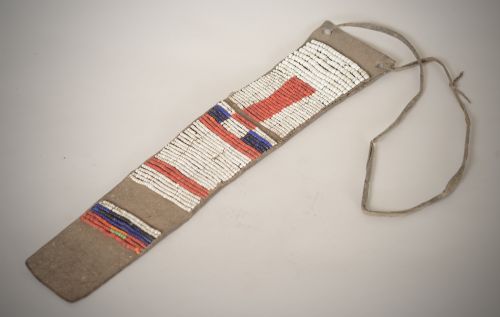
Nomadic makers integrated materials such as leather, hide, and glass beads into specific storage pieces and adornments. The construction balances structural durability with intricate geometric ornamentation.
Antique Red Bag Retail Price Guide 2026
Typical asking prices for red bag among the pieces listed under this phrase on Sellingantiques today, from the lower quarter to the upper quarter. They describe what is for sale here now, not the wider market.
Listings span periods from the 1860s through the 1920s, featuring wool, cotton, hide, and natural dyes.
What varies in quality
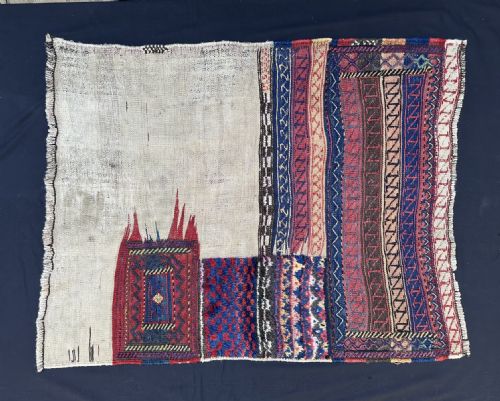
Quality rests in the fineness of the weave, the saturation and clarity of the natural dyes, and the integrity of the remaining structure. Pieces retaining complete flatweave backs and original side finishes demonstrate higher preservation.
The precision of tribal motifs, such as guls and repeating geometric symbols, distinguishes standard utility items from master-weaver productions.
The Antique Red Bag Glossary
- Chuval
- A large Turkmen tent-storage bag used for bedding and household goods. These pieces typically feature multiple guls across the face.
- Torba
- A smaller Turkmen storage bag hung inside the yurt. They often display intricate primary motifs and complete plain-weave backs.
- Chanteh
- A small Persian tribal vanity bag or personal container. These portable pouches served practical day-to-day functions for nomadic groups.
- Gul
- A medallion or repeating primary octagonal motif characteristic of Turkmen and Central Asian weaving traditions. The arrangement helps identify specific tribal groups.
- Khorjin
- A double-sided saddle bag used for transport on animals. Surviving examples often appear as half-khorjins or separate bag faces.
Antique Red Bag: Frequently Asked Questions
What were antique bags used for?
Nomadic groups utilised these woven containers for storing grain, salt, bedding, and personal belongings inside tents or for transport on pack animals.
Larger formats held household necessities, while smaller vanity bags and salt bags served as personal or domestic accessories.
How do I identify a Turkmen bag?
Turkmen pieces typically feature deep madder-red grounds punctuated by precise geometric guls and distinctive border systems.
Specific structures like chuvals and torbas indicate distinct tribal origins within the region.
Are backs usually included on bags?
Many surviving examples consist solely of the decorative bag face, while others retain their original plain-weave wool backs.
Complete pieces with intact backs and closures offer a comprehensive view of the original nomadic utility.
How should I display a textile bag?
These flexible textiles can be mounted securely on a wall using non-damaging display methods or laid flat in low-traffic areas.
Keeping them away from direct sunlight preserves the natural dyes and wool fibres.