





Antique Rectangular Watch
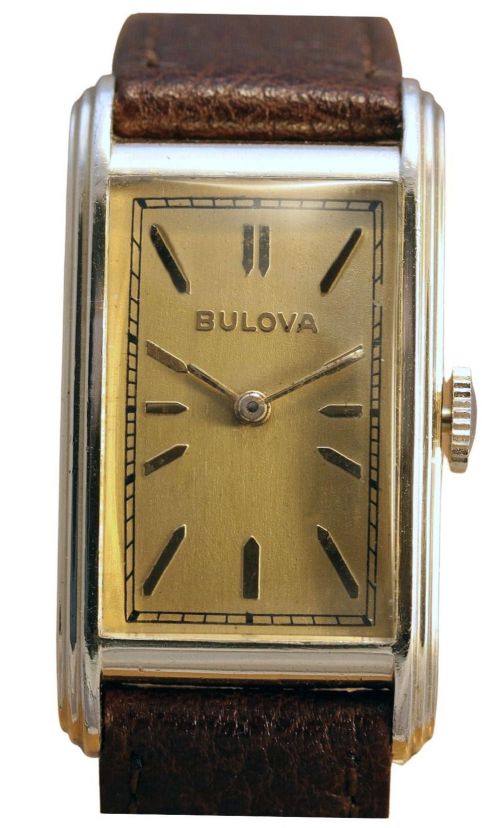
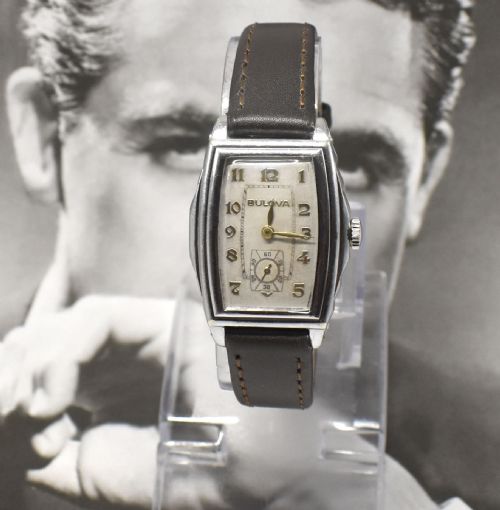
An antique rectangular watch brings geometric lines and mechanical character to the wrist, offering a distinct departure from standard round dials.
Antique Rectangular Watch
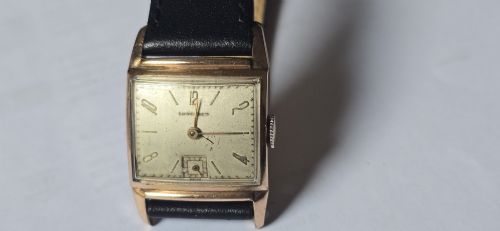
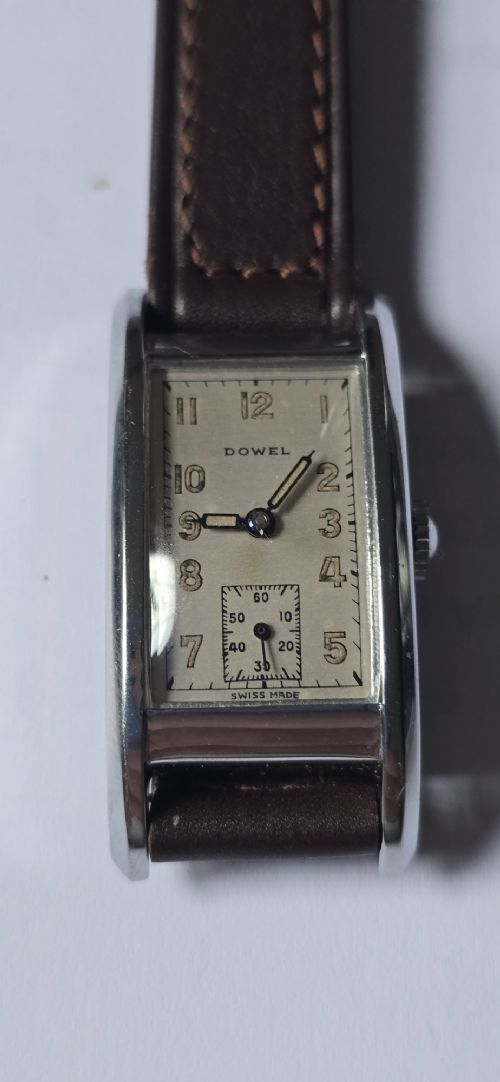
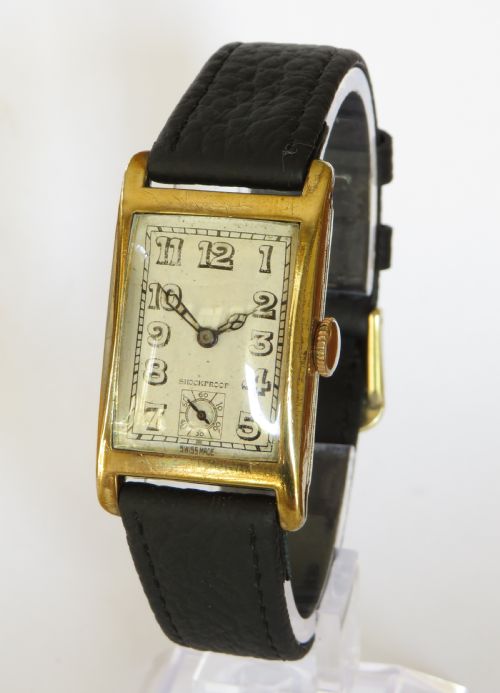
When you search for an antique rectangular watch, you encounter wristwatches spanning the Victorian era through the mid-twentieth century, with the Art Deco period heavily represented. These timepieces take the form of gents and ladies wristwatches, often adopting the elongated tank style or curved profiles designed to follow the contour of the wrist.
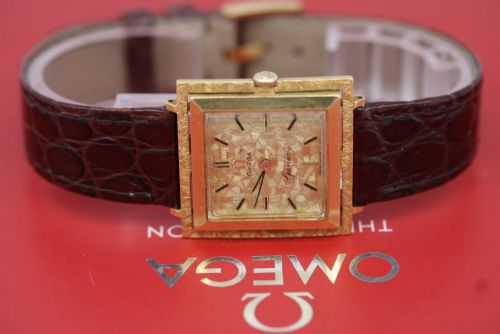
The selection ranges from Swiss manual wind movements housed in gold filled or gold plated cases to military issues and solid gold pieces. Most examples originate from the 1930s and 1940s, showcasing the geometry and streamlined design language characteristic of those decades.
How They Were Made
Cases utilise metals such as stainless steel, chrome, white and yellow gold fill, gold plate, and solid nine carat gold, paired with glass crystals protecting the dial. Straps are predominantly fashioned from leather to secure the mechanical watch heads.
The movements rely on manual mechanical engineering, often Swiss made by makers such as Omega, Zenith, Bulova, Elgin, Rotary, and Le Coultre. Cases are shaped into strict rectangles or curved curvex profiles to accommodate the compact inner gears.
Antique Rectangular Watch Retail Price Guide 2026
Typical asking prices for rectangular watch among the pieces listed under this phrase on Sellingantiques today, from the lower quarter to the upper quarter. They describe what is for sale here now, not the wider market.
The periods represented on this page span from the Victorian era through the Art Deco movement and into the mid-twentieth century.
What Varies in Quality
Quality rests in the preservation of the case geometry and the crispness of the dial markings, distinguishing sharp geometric forms from examples softened by wear or improper polishing. The complexity and reputation of the inner movement, from standard mechanical calibres to specialised curved designs, elevate the standing of a piece.
The integrity of the materials, whether solid nine carat gold or plated brass, dictates the longevity of the exterior. Service history and the retention of original components further separate everyday timepieces from superior collector examples.
Omega·Rotary·Zenith·Le Coultre·Bulova·Elgin
The Antique Rectangular Watch Glossary
- Tank watch
- A wristwatch with a rectangular case where the vertical sides extend to form the lugs for the strap. This design originated during the First World War and gained immense popularity through the Art Deco era.
- Curvex
- A wristwatch movement and case curved along the longitudinal axis to fit snugly against the wrist. This proprietary design allows a mechanical watch to maintain a slender profile while housing stacked gear trains.
- Gold filled
- A material composed of a solid layer of gold mechanically bonded to a base metal support. This construction provides a substantial layer of gold compared to standard plating.
- Manual wind
- A mechanical watch movement wound by hand via the crown rather than powered by an automatic rotor. These movements require regular winding to maintain operation.
Antique Rectangular Watch: Frequently Asked Questions
How do I wind a manual vintage watch?
Wind the crown gently between your thumb and forefinger in a clockwise direction until you feel slight resistance. Stop immediately at that point to avoid overwinding and straining the mainspring.
Set the time by pulling the crown out to its designated position and turning it forward. Push the crown back in fully once the correct time is established.
Are these watches waterproof?
Vintage rectangular timepieces lack modern rubber gaskets and screw down crowns. Exposure to moisture, rain, or hand washing allows water to enter the case and damage the delicate movement.
Keep these watches entirely dry and remove them before swimming or bathing. Even humidity can condense beneath the glass crystal if seals have degraded over decades.
How often should an antique watch be serviced?
Mechanical watches require periodic cleaning and lubrication to prevent the dried oils from wearing down the metal gears. A professional service every few years ensures reliable timekeeping.
Watchmakers disassemble the movement, clean the components in specialised solutions, reassemble them, and calibrate the beat. This maintenance preserves the internal lifespan of the timepiece.
Can I wear an antique watch daily?
Daily wear is possible provided you respect the age and mechanical limitations of the piece. Avoid wearing the watch during strenuous physical activities, gardening, or sports.
Take care to shield the watch from strong magnetic fields generated by modern electronics and household appliances. Treating the delicate case and leather strap with consideration ensures longevity.