




Antique Recliner Armchair
An antique recliner armchair offers ingenious mechanical comfort, marrying nineteenth-century engineering with rich mahogany, walnut, and supple leather for effortless relaxation.
Antique Recliner Armchair
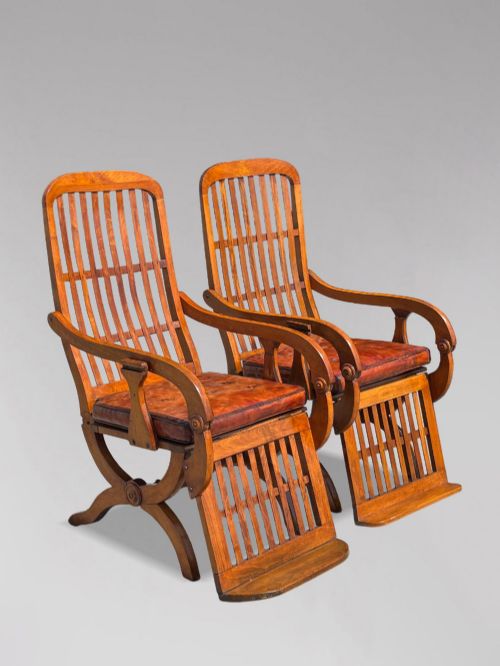
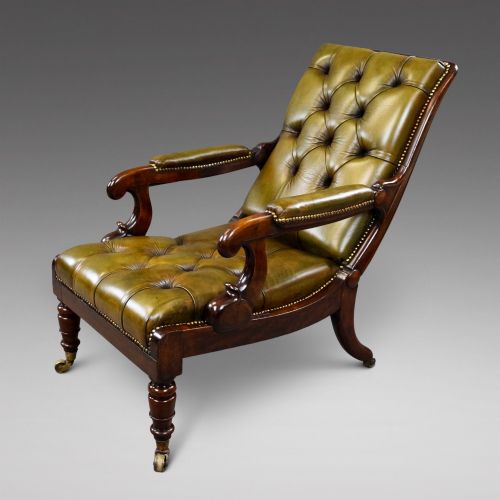
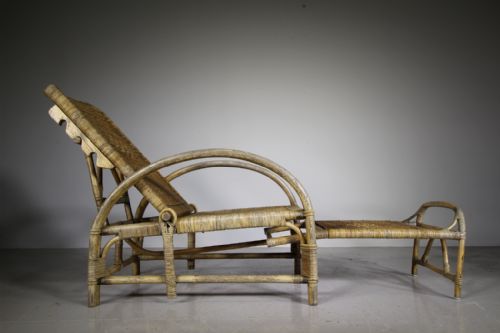
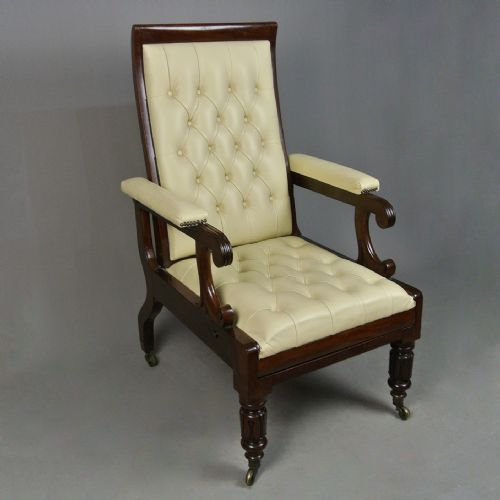
When you search for an antique recliner armchair, you uncover a lineage of nineteenth-century ingenuity spanning Regency, William IV, and Victorian periods. These seating pieces range from heavy mahogany library chairs with patent mechanisms to folding steamer deck chairs designed for travel.
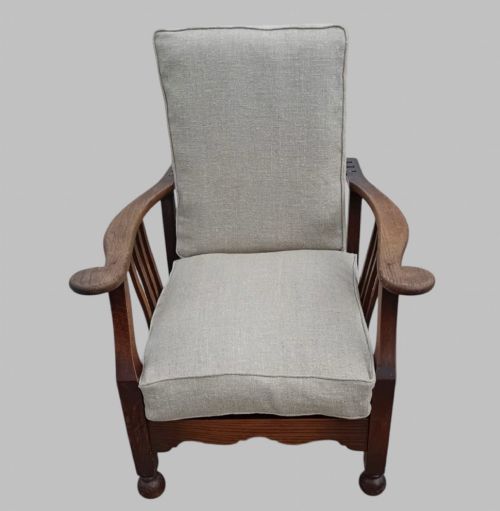
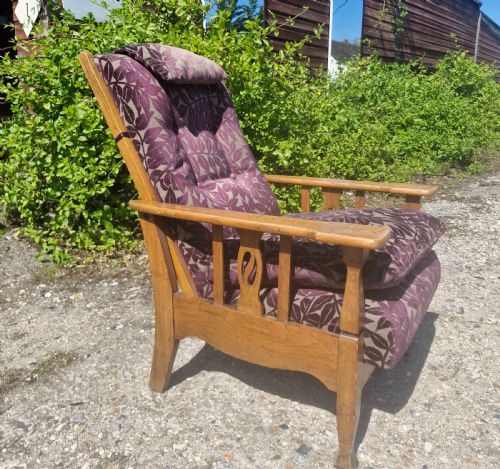
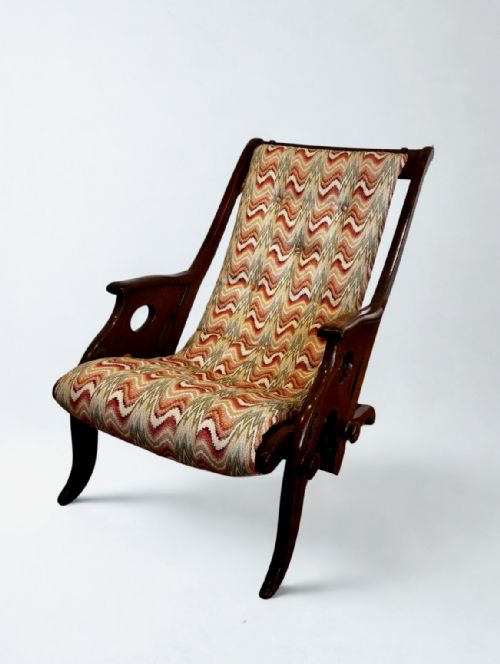
The versions you meet most frequently on this page include sturdy oak Arts and Crafts models alongside button leather metamorphic library chairs. Makers integrated adjustable backs and extending footrests into forms that served readers, invalids, and travellers alike.
Origins stretch from English workshops to French salons and Anglo-Indian verandahs, taking the shape of planters chairs, daybeds, and wheel chairs. Each variation reflects the specific domestic or convalescent need of its era.
Materials and technique
These chairs rely on dense timber frames of mahogany, walnut, rosewood, and oak to support complex internal mechanisms of brass and iron. Woodworkers shaped solid and veneered hardwoods into robust armframes capable of enduring repeated mechanical adjustment.
Upholstery traditions combined horsehair stuffing with tactile coverings of leather, linen, fabric, and woven cane. Brass fittings, castors, and patent ratchets allowed the backrests and footrests to shift smoothly between seated and reclining positions.
Some Victorian invalids enjoyed reclining chairs equipped with built-in writing slopes for penning letters while horizontal.
Standards of craftsmanship
Quality rests primarily in the sophistication of the mechanical action, whether a Daws patent rack or a Foot and Son adjustable frame. Superior examples operate smoothly and lock securely into multiple positions without strain on the timber joints.
Angraves of Leicester·J Herbert McNair·Robert Daws·J Foot and Son·John Ward
The Antique Recliner Armchair Glossary
- Bergère
- A panelled chair with woven cane work enclosing the back and sides. This technique lightens the visual weight of heavy wooden frames.
- Metamorphic
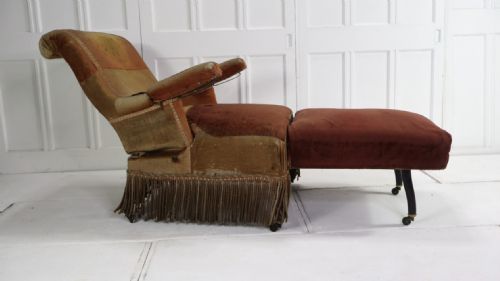
- Describing furniture designed to transform into another form, such as an armchair converting into a chaise longue or daybed.
- Patent
- A mechanical design registered by an inventor or maker. Patents on reclining chairs often bear the names of innovators like Daws, Foot, or Ward.
- Planters chair
- An armchair featuring extended flat arms designed for resting legs upon. These pieces originated in colonial contexts for climate comfort.
- Library chair
- A heavy, stable armchair intended for reading rooms. They frequently incorporate adjustable reclining backs or writing attachments.
Antique Recliner Armchair: Frequently Asked Questions
How do mechanical antique recliners work?
These chairs use internal ratchets, hinges, and sliding brass bars operated by arm levers or body weight. Users push back against the sprung or pivoted frame to lock the backrest at the desired angle.
Many incorporate matching pull-out footrests that extend from beneath the seat as the occupant reclines.
Were these chairs used for medical purposes?
A significant portion served convalescents, invalids, and the elderly in homes and hospitals. Makers like John Ward specialised in wheeled invalid chairs and adjustable furniture for therapeutic comfort.
Other variants, such as steamer chairs, catered to travellers seeking relaxation on long sea voyages.
How do I care for leather upholstery?
Antique leather requires gentle cleaning with a damp cloth followed by professional wax or balm nourishment to prevent drying. Avoid direct sunlight and artificial heat sources which cause the hide to crack.
Ensure metal adjustment levers beneath the seat receive occasional light lubrication to maintain smooth movement.
How do I identify a Regency recliner?
Regency pieces typically feature solid mahogany or rosewood frames with classical proportions, sabre legs, and brass castors. Look for early patent mechanisms associated with makers like Robert Daws.
The upholstery is often plain or buttoned leather rather than the rush or wicker seen on later Arts and Crafts examples.