




Antique Reclined Nude Figure
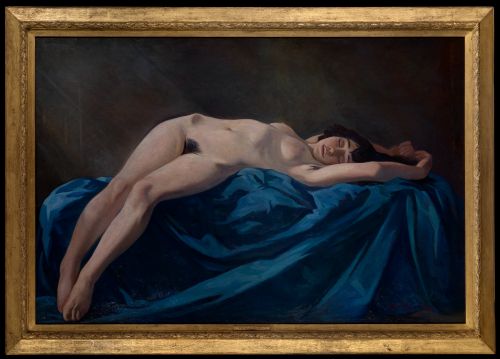
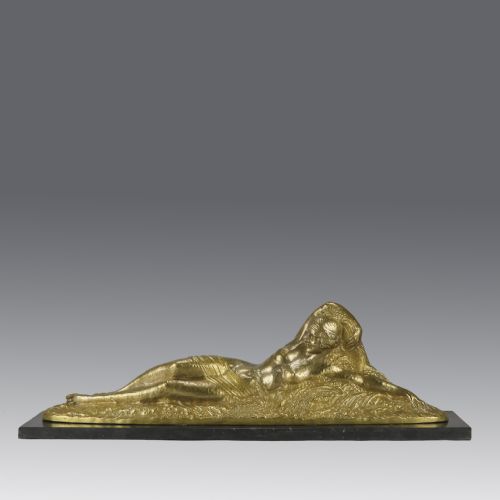
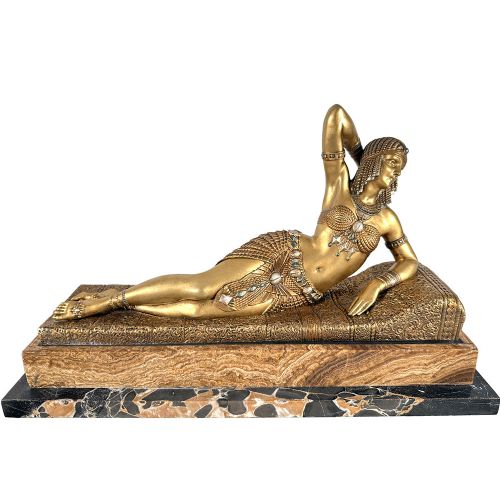
An antique reclined nude figure brings classical form and intimate posture into a room, capturing the human shape at rest.
Antique Reclined Nude Figure
When you search for an antique reclined nude figure, you encounter sculptures, drawings, and paintings spanning the eighteenth century through to the mid-twentieth century. These works depict the human form stretched out or leaning back, drawing on classical motifs of reclining goddesses and life studies.
You are most likely to meet bronze and spelter sculptures from the Art Deco and nineteenth-century French periods on this page. Formats range from tabletop figurines and bookends to framed oil paintings and charcoal drawings.
How they were made
Makers shaped these pieces using traditional methods including bronze casting, hand-carved alabaster, and oil paint on canvas. Metal works often received a patinated or gilt finish to accentuate the contours of the body.
Drawings and paintings combine charcoal, chalk, and oil on canvas to render tone and shadow on the reclining form. Sculptural pieces utilise marble, chalk, and cast metals to achieve distinct surface textures.
Listed objects range from heavy bookends and statues to delicate charcoal life studies.
What varies in quality
The distinction between standard and superior examples lies in the fidelity of anatomical rendering and the nuance of the surface finish. Finer casts and paintings display greater command of proportion, musculature, and posture.
The depth and preservation of the patina or the handling of pigment directly influence the visual impact of the piece. Masterful execution in metal chasing or brushwork elevates the character of the subject.
Demetre Chiparus·Josef Lorenzl·Edmond Leveque·James Pradier·Susse Freres·Ugo Cipriani
The Antique Reclined Nude Figure Glossary
- Patinated bronze
- Bronze that has been chemically treated to produce a specific surface colour and finish. This process protects the metal while enhancing visual depth.
- Spelter
- A zinc alloy commonly used as a cost-effective alternative to bronze in decorative figures. It often received coatings to imitate the appearance of heavier metals.
- Alabaster
- A fine-grained, translucent stone used for carving decorative objects and small sculptures. Its softness permits intricate detail work.
- Life study
- An artwork created directly from a live human model. These studies record the immediate observation of form and shadow.
Antique Reclined Nude Figure: Frequently Asked Questions
Where should I place a reclining figure?
These works sit well on bookshelves, desks, or mantelpieces where their horizontal lines can be appreciated at close range. Framed paintings and drawings require wall space with controlled lighting to protect pigments.
Position them away from direct heat sources and strong sunlight to preserve patinas and canvas integrity.
How do I clean bronze sculptures?
Dust gently with a soft, dry cloth to remove particles without disturbing the underlying patina. Avoid using water, oils, or abrasive cleaning agents on metal surfaces.
Professional restoration is recommended if deeper cleaning or wax application becomes necessary.
What periods do these figures cover?
The selection spans from the nineteenth century through the Art Deco era and into the mid-twentieth century. Earlier pieces often lean towards classical mythology, while later works reflect modernist aesthetics.
Stylistic shifts appear clearly in the transition from ornate nineteenth-century bronze casts to streamlined Art Deco figures.
Are these works signed by artists?
Many sculptural casts and paintings bear the signature or foundry mark of the maker. Signatures typically appear on the base of metal figures or in the corner of canvases.
Unsigned pieces still indicate period techniques and materials through their casting quality and general construction.