




Antique Reading Recliner
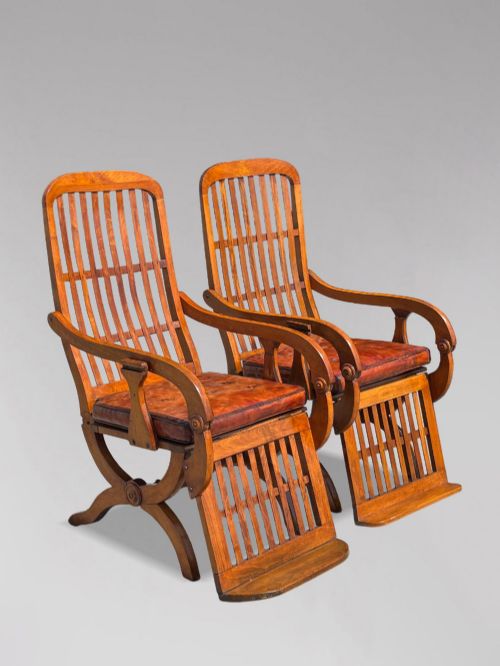
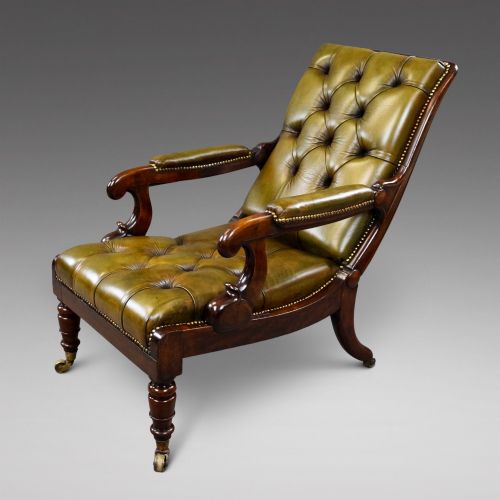
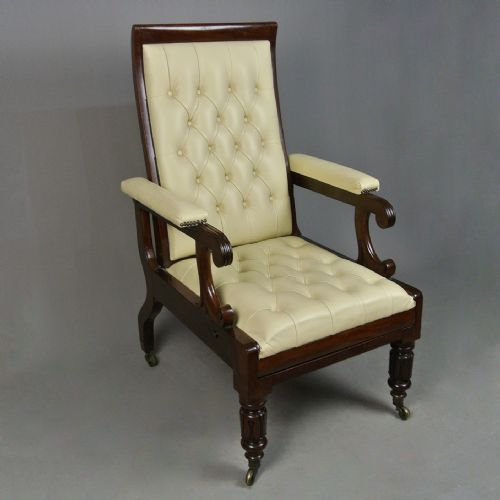
An antique reading recliner offers mechanics for leisure and study, combining solid mahogany or oak with button leather.
Antique Reading Recliner
An antique reading recliner provides an adjustable seat for libraries and studies, appearing across the Regency, Victorian, and Edwardian periods.
The user most frequently encounters mahogany or oak armchairs featuring leather upholstery and mechanical backrests designed for long periods of reading.
These pieces bridge the gap between standard library seating and innovative nineteenth-century comfort inventions.
How they were made
Maker workshops utilised dense timbers such as mahogany, walnut, and oak to build heavy, stable frames capable of supporting complex mechanical adjustments.
Upholsterers integrated supple leathers, fabrics, and buttoning techniques alongside iron and brass mechanisms to allow smooth reclining actions.
Materials across the selection range from solid mahogany and rosewood to oak frames fitted with brass castors and leather upholstery.
What varies in quality
The sophistication of the internal patent mechanism and the smoothness of the adjustment action separate standard examples from notable workshop productions.
Timber selection, the crispness of turned mahogany or carved details, and the preservation of original leather upholstery dictate the standing of a piece.
Robert Daws·Leveson and Sons·Minter·J Foot and Son·John Ward
The Antique Reading Recliner Glossary
- Bergère
- An enclosed armchair with cane or upholstered sides. This form often appears in library settings.
- Patent
- A proprietary mechanical design registered by an inventor. Examples include specialised reclining systems by makers like Daws or Foot.
- Metamorphic
- Furniture that transforms into another form, such as an armchair converting into a day bed or chaise lounge.
- Campaign
- Portable furniture designed for travel, featuring folding backrests or knock-down frames for ease of movement.
Antique Reading Recliner: Frequently Asked Questions
How do mechanical reclining chairs work?
Mechanical chairs utilise hidden brass hinges, ratchets, and weighted levers housed within the timber frame. These allow the backrest and seat to shift smoothly into various angles.
Users adjust the posture manually or via side handles, securing the position for reading or resting.
What is a campaign backrest?
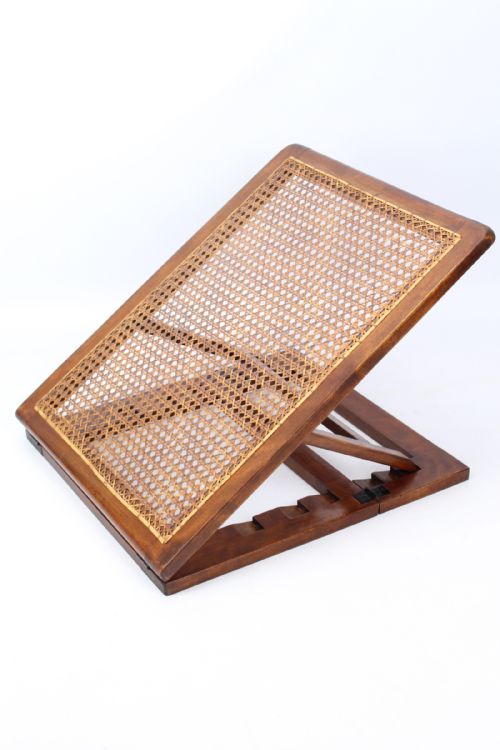
A campaign backrest is a folding or removable upper frame designed for portability. It allowed nineteenth-century travellers to pack their seating flat.
In domestic settings, this feature offered flexibility and easy storage within the library.
How do I identify a Regency reclining chair?
Regency chairs typically display rich mahogany timbers, sabre legs, and classical proportions dating from the early nineteenth century. They often incorporate patent brass mechanisms associated with early innovators.
The upholstery frequently uses buttoned leather supported by robust frame construction.
Where were library chairs used?
Library chairs stood in grand domestic studies, private libraries, and institutional reading rooms. They accommodated scholars and gentlemen reading weighty tomes for hours.
The adjustable backrest provided essential support during long sessions of study.