


Antique Reader Desk
An antique reader desk serves those who pore over texts, offering a dedicated space for studying volumes or holding magnifying glasses.
Antique Reader Desk
When you search for an antique reader desk, you encounter a varied selection of library aids, tables, and podiums designed for study and reading. The offerings span periods from the Regency era through the Victorian period, and onwards into the 1920s and 1930s.
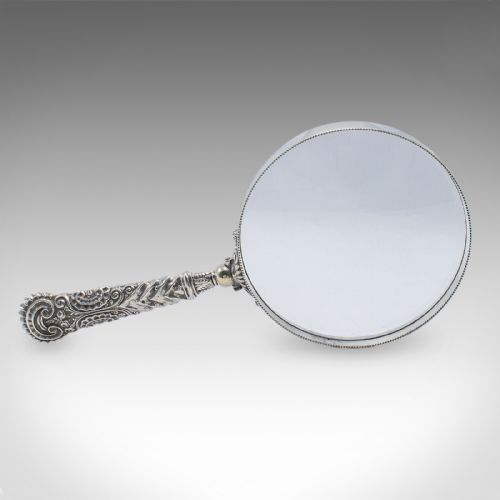
You are most likely to meet items such as magnifying glasses with silver plate, sterling silver, brass, shagreen, and enamel handles, alongside larger pieces like mahogany reading tables, oak podiums, and occasional tables. These objects combine utility with the distinct styles of their respective eras.
The assortment includes specialised items like pivoting bullseye lenses, map magnifying glasses, and folding reading tables with magazine racks. Each form reflects the specific reading and writing habits of past centuries.
What varies in quality
The standard of materials separates simpler items from superior examples, particularly in the grade of timber used for tables or the weight of silver and brass on optical aids. Hallmarks on silver items provide clear indicators of origin and maker.
The refinement of adjustable mechanisms, such as pivoting brass mounts on lenses or folding actions on reading tables, dictates the functional success of a piece. Finer examples display meticulous attention to detail in enamel work, shagreen wrapping, and joinery.
Listings feature items spanning the 19th Century, Regency, Victorian, Edwardian, Arts and Crafts, Interwar, and Art Deco periods.
Broadway & Co·Mappin & Webb
The Antique Reader Desk Glossary
- Regency
- A style and period spanning the early nineteenth century, characterised by classical restraint and elegant mahogany furniture forms. Pieces from this time often feature clean lines and subtle brass details.
- Victorian
- A nineteenth-century period associated with industrial expansion and varied revival styles in furniture and library accessories. Items from this era reflect diverse manufacturing capabilities.
- Shagreen
- Undyed skin from shark or ray, used historically to cover small objects like magnifying glass handles. Its distinctive granular texture provides both grip and visual appeal.
- Guilloche enamel
- A decorative technique involving precise, intricate patterns engraved beneath a translucent layer of enamel. It frequently appears on metal handles of early twentieth-century reading aids.
- Podium
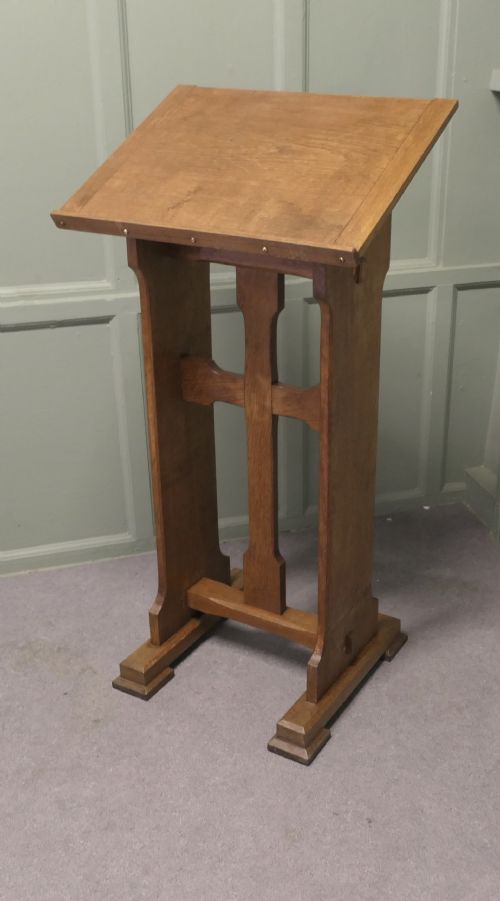
- A freestanding stand designed to hold books or papers at a comfortable reading angle. Examples often incorporate robust oak construction suitable for institutional or domestic use.
Antique Reader Desk: Frequently Asked Questions
What is an antique reader desk?
An antique reader desk encompasses various tables, podiums, and stands designed to support books and reading materials. These pieces facilitate comfortable study by holding texts at convenient angles.
They also include smaller optical accessories like magnifying lenses used alongside texts. Together, they represent the functional furniture of past libraries and studies.
How do I date a reading table?
Dating a reading table involves examining the primary timbers used, such as mahogany in Regency pieces or oak in Arts and Crafts examples. Construction methods and hardware styles also offer clear chronological clues.
Design motifs align with specific periods like the Victorian era or the 1920s. Comparing these physical characteristics with historical styles helps establish the age of the piece.
What materials were used for magnifying glasses?
Magnifying glasses from these periods frequently combine optical glass lenses with frames and handles made of brass, silver plate, or sterling silver. Maker marks often appear on the metal components.
More decorative examples incorporate materials like shagreen or guilloche enamel on the handles. These varied materials reflect the luxury standards of the early twentieth century.
How were pivoting lenses used?
Pivoting lenses mounted on stands allowed readers to focus on maps, large books, or detailed texts without holding the glass. The adjustable brass mountings let the user change the angle of magnification.
These optical aids served scholars, readers, and professionals who required hands-free assistance. They represent a specialised category of library equipment from the early twentieth century.