


Antique Rattan Furniture
Antique rattan furniture brings light, tactile texture and enduring botanical charm into a room through woven surfaces and sturdy natural frames.
Antique Rattan Furniture
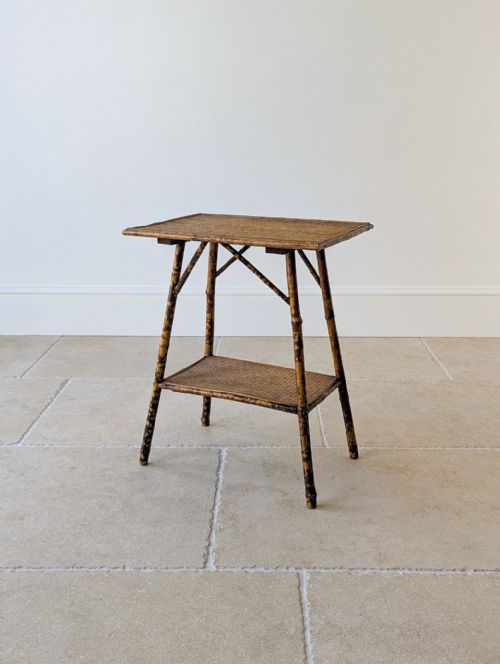
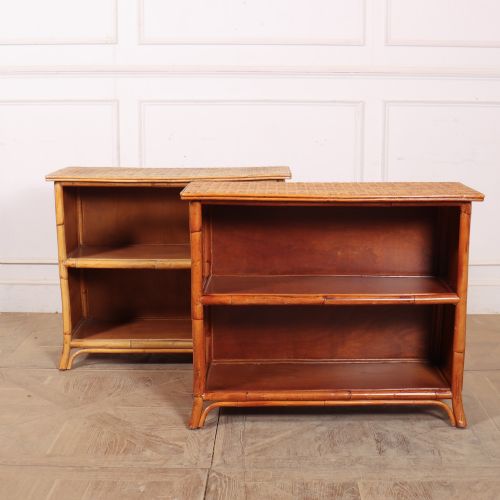
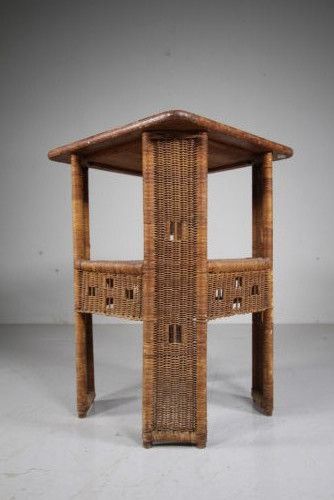
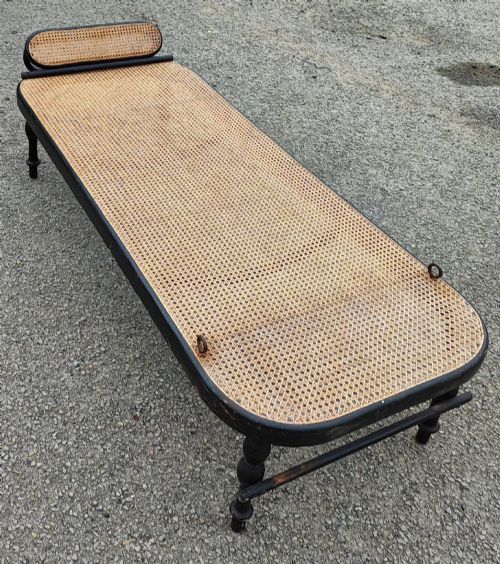
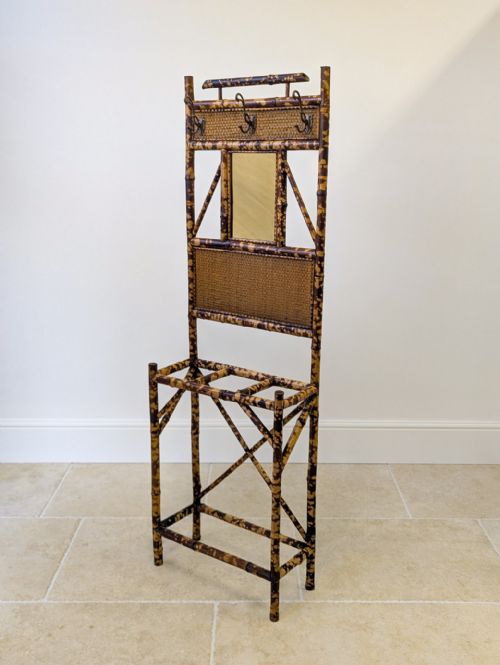
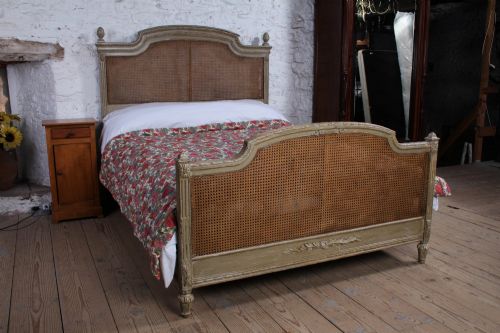
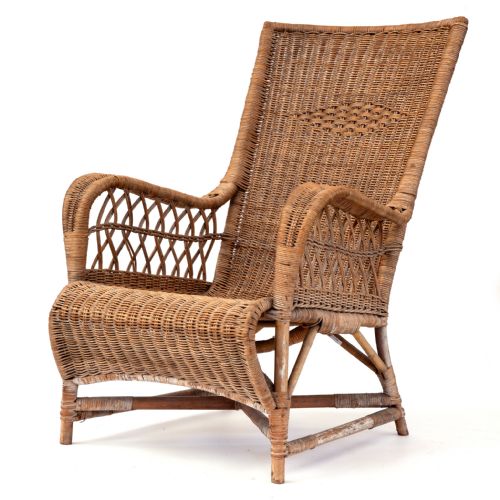
Buyers seeking antique rattan furniture encounter a diverse selection of seating, tables, and bedroom pieces spanning multiple centuries and global origins. The available inventory leans heavily toward Victorian bamboo and cane items alongside robust 1920s lounge chairs.
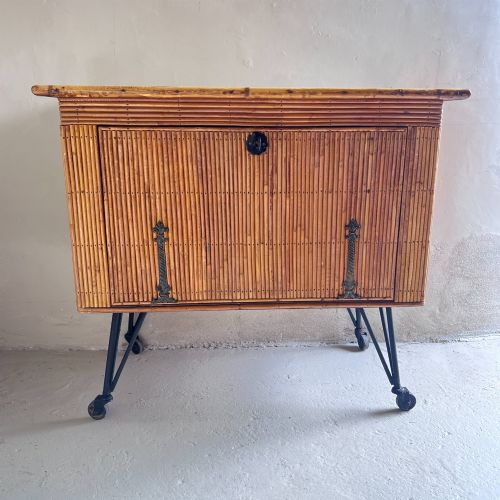
Forms range from occasional tables and daybeds to specialised items like drinks cabinets, hall stands, and rocking cribs. These pieces reflect both domestic British craftsmanship and international influences from French, Chinese, and colonial traditions.
The aesthetic vocabulary encompasses Victorian design, Arts and Crafts utility, Aesthetic Movement ebonisation, and French Art Deco styling. Such variety ensures that buyers find both compact functional stands and substantial statement seating.
Materials and construction
Makers utilised resilient natural materials including rattan, cane, bamboo, wicker, and wood to construct lightweight yet durable frames. Secondary elements such as brass, glass, mahogany, teak, and oak added structural support and decorative contrast.
Weaving techniques involved pliable plant fibres manipulated by hand around rigid wooden or bamboo skeletons to create supportive seats and decorative panels. Structural integrity was further enhanced by specialised joinery and occasionally iron components.
The listings span Victorian, Regency, and 20th-century eras, featuring materials such as rattan, cane, bamboo, oak, teak, and mahogany.
Assessing quality and finish
Quality reveals itself in the tightness of the weave, the uniformity of the plant materials, and the stability of the underlying framework. Superior examples demonstrate expert tension in the caning and seamless integration of wood and bamboo joints.
The distinction between standard utility items and finer pieces lies in decorative ambition, such as ebonised finishes, brass accents, or sophisticated stylistic attribution like Dryad of Leicester production.
Dryad of Leicester·Heals and son
The Antique Rattan Furniture Glossary
- Rattan
- A strong, pliable palm stem used extensively for weaving furniture frames and panels. It offers flexibility combined with high tensile strength.
- Cane
- Strips derived from the outer bark of the rattan plant, traditionally woven into intricate grid patterns for chair seats and backs. This material provides both breathability and resilient support.
- Bamboo
- A hollow, woody grass utilised for structural furniture legs and frames. It provides a lightweight yet rigid skeleton for many Victorian and colonial pieces.
- Wicker
- A generic term for any furniture made by weaving pliable plant materials. It encompasses various styles of basketry applied to seating and tables.
Antique Rattan Furniture: Frequently Asked Questions
How do I care for antique rattan?
Keep these pieces away from direct heat sources and excessive moisture to prevent the natural plant fibres from becoming brittle or cracking over time.
Dust gently with a soft brush and occasionally wipe the woven surfaces with a slightly damp cloth to maintain the material's natural flexibility.
Are these pieces suitable for daily use?
Most antique rattan and cane furniture was built for functional domestic interiors, offering surprising durability for everyday seating and storage.
Heavier lounge chairs and sturdy tables handle regular use well, though delicate antique daybeds and occasional stands benefit from more mindful placement.
How do I date a bamboo piece?
Dating relies heavily on construction methods, hardware types, and stylistic indicators such as Victorian ebonisation or 1920s modernist lines.
Examination of joinery and any retail stamps or labels also helps narrow down the period of manufacture.
What is the difference between rattan and wicker?
Rattan specifically refers to the tropical climbing palm material used in construction, whereas wicker describes the actual weaving technique applied to various plant fibres.
Furniture described as wicker may incorporate rattan, reed, willow, or bamboo.