





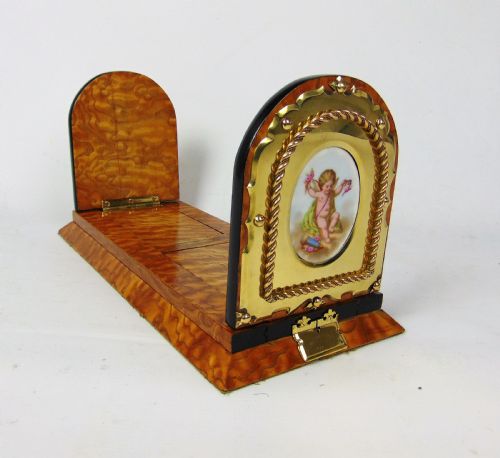
Antique Rare Book
These antique rare book pieces encompass everything from silver stamp cases and snuff boxes to revolving bookcases and photograph albums spanning the eighteenth to the twentieth centuries.
Antique Rare Book
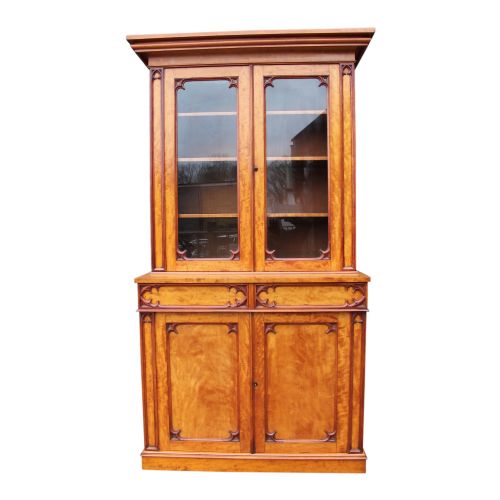
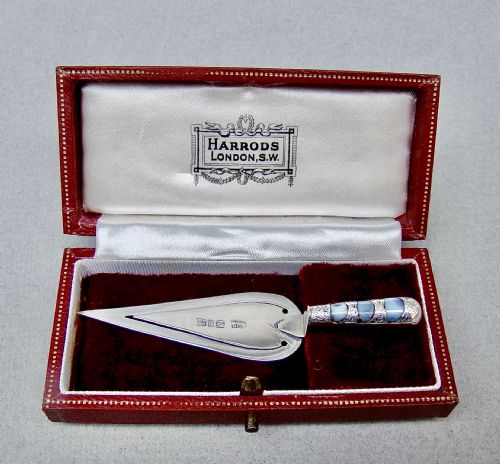
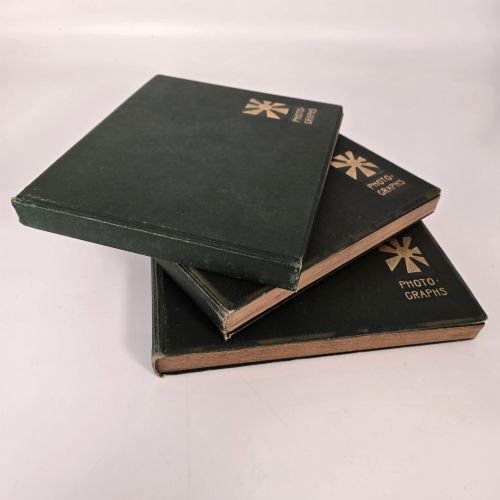
Bookcases form the larger furniture items in mahogany and satinwood, often featuring rotating designs or ormolu mounts. Smaller pieces include desk stands, photograph albums, bookmarks, snuff cases, and secret safe books that mimic traditional volumes.
Origins stretch across British periods alongside distinct continental and Ottoman examples, showing how literature and the book form inspired artisans across different crafts. These items served both functional and decorative roles in period interiors.
Materials and construction
Cabinet makers utilised solid mahogany, walnut, and satinwood for larger furniture pieces like bookcases and desk stands, sometimes incorporating brass fittings or intricate inlay work. These woods provided the structural durability required for heavy volumes and daily use.
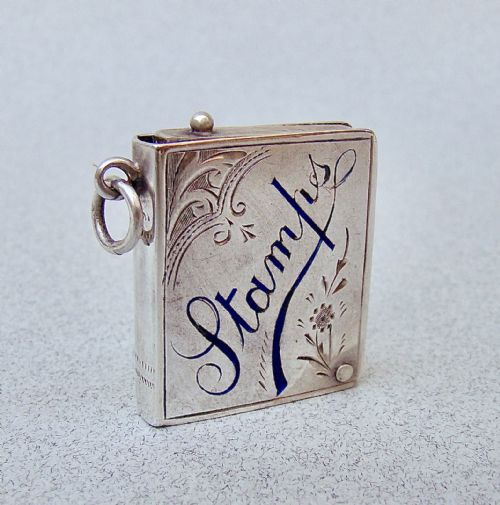
Smaller personal items display precious metals including sterling silver, eighteen-carat gold leaf, and ormolu. Silversmiths and goldsmiths shaped these materials into miniature book forms, incorporating hallmarks and detailed engraving.
Paper and leather naturally form the core of bound items, photographic albums, and notebooks such as Mauclineware pieces. Artisans combined these traditional bookbinding components with carved wooden structures and specialised locking mechanisms for secret safes.
Antique Rare Book Retail Price Guide 2026
Typical asking prices for rare book among the pieces listed under this phrase on Sellingantiques today, from the lower quarter to the upper quarter. They describe what is for sale here now, not the wider market.
Distinctions in quality
Quality in these pieces rests upon the precision of the joinery and the integrity of the materials used by the maker. Finer items display unblemished wood grain, crisp carving, and secure metal mounts that fit flush against the body.
The distinction between standard domestic items and top tier examples often lies in the provenance and the reputation of the silversmith or manufacturer. Marked silver pieces and items bearing specific maker attributions command greater attention from collectors.
Condition and originality dictate the standing of each piece within its category. Items retaining their original gilding, working locks, and unaltered paper contents demonstrate superior preservation.
Crisford & Norris·Alexander James Strachan·Tiffany & Co
The Antique Rare Book Glossary
- Ormolu
- A gilded bronze or brass mount applied to furniture and decorative objects. It provides ornamental detail and contrast against dark woods like mahogany.
- Hallmark
- An official stamp applied to precious metals indicating the standard of purity, the assay office, and the year of manufacture. These marks help verify the origins of silver and gold items.
- Revolving bookcase
- A freestanding bookcase designed to rotate on a central pivot, allowing easy access to volumes from any seating position. They frequently appeared in Edwardian libraries.
- Mauclineware
- Small Victorian wooden souvenirs decorated with photographic transfers of public buildings or landmarks. They commonly took the form of notebooks and desk accessories.
- Secret safe book
- A hollowed container disguised as a book, often featuring a locking mechanism. They were utilised to conceal valuables on library shelves during the Art Deco and Edwardian eras.
Antique Rare Book: Frequently Asked Questions
What defines a secret safe book?
These pieces combine bookbinding aesthetics with hidden compartments designed to secure small valuables. Artisans carved solid blocks or modified real bindings to conceal locking mechanisms.
They emerged in various styles, including Art Deco and Edwardian designs, serving as discreet storage on traditional library shelves.
How do I date a silver book stamp case?
Silver items from the nineteenth and twentieth centuries typically bear hallmarks stamped directly into the metal. These small symbols indicate the assay office, metal purity, and the specific year of creation.
Matching these stamps against official registry records provides an exact date for pieces such as those by Crisford & Norris.
What is Mauclineware?
Mauclineware represents a distinct category of nineteenth-century wooden souvenirs featuring printed topographical views. Manufacturers applied these detailed photographic transfers to everyday items like notebooks and boxes.
Collectors prize them for their miniature depictions of nineteenth-century architecture and famous landmarks.