



Antique Railway Lantern
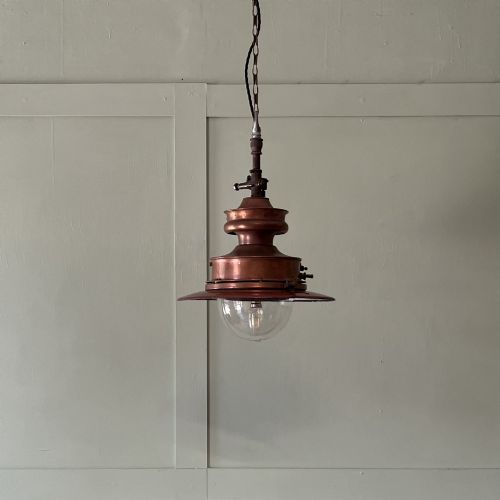
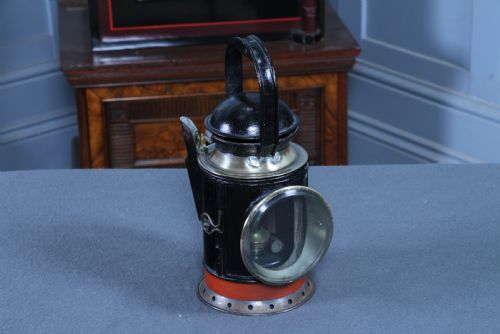
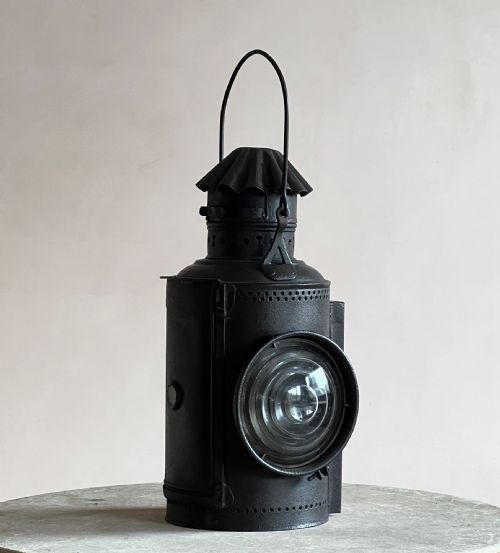
These antique railway lanterns are functional survivors of the tracks, crafted in copper, brass, iron and glass to endure daily transit use.
Antique Railway Lantern
An antique railway lantern is a durable lighting device produced for train networks, platforms, stations and rolling stock during the nineteenth and twentieth centuries. Buyers seeking an antique railway lantern encounter practical signal lamps, hanging carriage lights, platform fixtures and inspection hand lamps from periods spanning the Victorian era through the 1940s.
The selections recorded on this page reflect diverse origins, including major British railway companies such as the Great Western Railway and the London and North Eastern Railway. Forms range from heavy metal signal lamps with multi-coloured lenses to portable oil lamps and ceiling lights designed for intense service.
Industrial styles dominate these pieces, combining utilitarian engineering with robust metals like copper, brass and painted steel. Most examples show the honest wear of active railway deployment, retaining the functional hardware that defined their original working lives.
How They Were Made
Makers utilised resilient metals, combining copper, brass, iron and painted steel to withstand the vibrations, weather and rough handling of railway operations. Structural components were securely riveted, soldered or bolted together to create sealed housings capable of protecting internal oil burners from wind and rain.
Heavy glass lenses, frequently moulded with multi-colour or fresnel properties, were fitted into metal doors and frames to project distinct signal colours across tracks and platforms. Exterior surfaces received protective finishes or paint applications, while interior chambers incorporated metal reflectors to maximise the illumination from oil lamps.
At least one railway lamp listing comes paired directly with a station master's pocket watch from the nineteen-twenties.
What Varies in Quality
Quality rests in the intactness of original company stampings, maker marks and railway identifiers, which confirm authentic operational provenance. Pieces bearing clear inscriptions from specific lines demonstrate greater historical integrity than unmarked examples.
The condition of original glass lenses and the survival of internal mechanical burners separate standard utility pieces from finer survivals. Solid copper and brass constructions generally exhibit superior metalwork persistence compared to heavily corroded iron or painted steel alternatives.
Eli Griffiths And Sons·Dressel
The Antique Railway Lantern Glossary
- Tri-Colour Lens
- A specialised optical glass arrangement within a lantern allowing the user to display three distinct signal colours through internal mechanical adjustment.
- Gimbal
- A pivoted support ring that allows the lamp to remain level regardless of the motion of a train or ship.
- Fresnel Lens
- A stepped optical glass lens designed to project a powerful, concentrated beam of light over distance while maintaining a compact physical profile.
- Station Master
- A senior railway official whose administrative role was occasionally commemorated through specialised equipment or regulated pocket timepieces.
- Signal Lamp
- A heavy-duty railway lantern engineered to communicate operational status to train drivers through coloured glass filters.
Antique Railway Lantern: Frequently Asked Questions
How do I identify railway company marks?
Railway company marks typically appear as stamped brass plates, cast iron lettering, or engravings directly onto the metal body or bezel of the lantern.
These stamps often abbreviate major networks, helping collectors trace the specific region or line where the piece was utilised.
Were these lamps used inside carriages?
Carriage lamps were designed specifically for interior illumination of passenger compartments, often mounting through the roof or against interior bulkheads.
Unlike exterior hand signals, these interior lights focused on steady illumination rather than long-range colour projection.
Can I still burn oil in them?
Many lanterns retain their original interior oil burners and founts, though collectors usually evaluate them as historical objects rather than daily light sources.
Using period lighting requires careful inspection of seals and ventilation to ensure safe operation.
How should I clean copper and brass?
Preserving the honest surface wear is generally preferred, removing only loose dust with a soft, dry cloth rather than aggressive polishing.
Harsh chemical cleaners strip away the historical patina that documents decades of railway service.