



Antique Quarter Tables
Antique quarter tables bring together precision timepieces and finely figured wood surfaces designed to suit traditional interiors.
Antique Quarter Tables
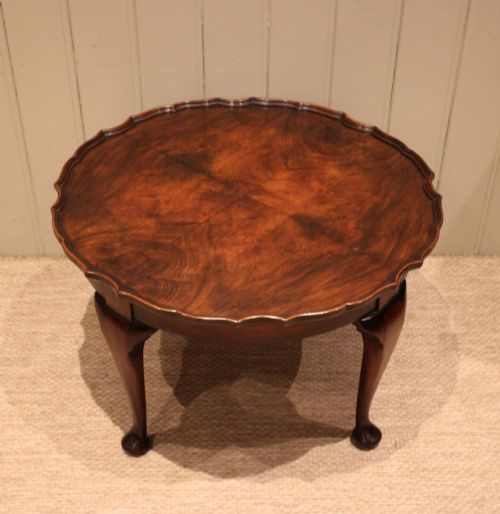
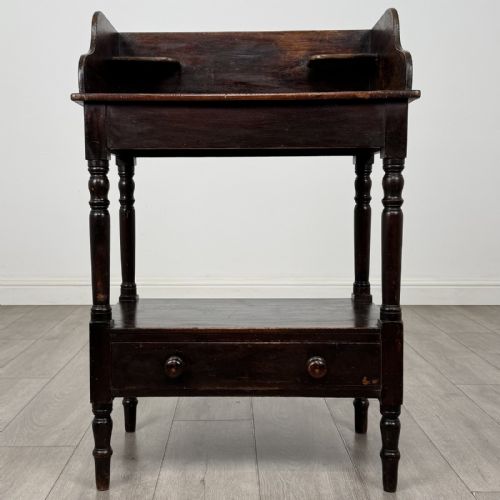
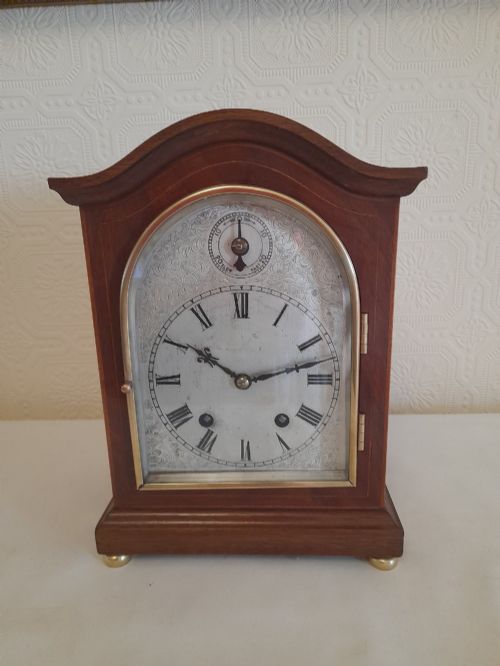
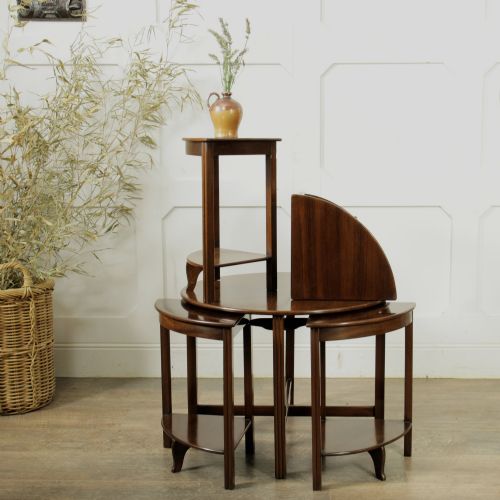
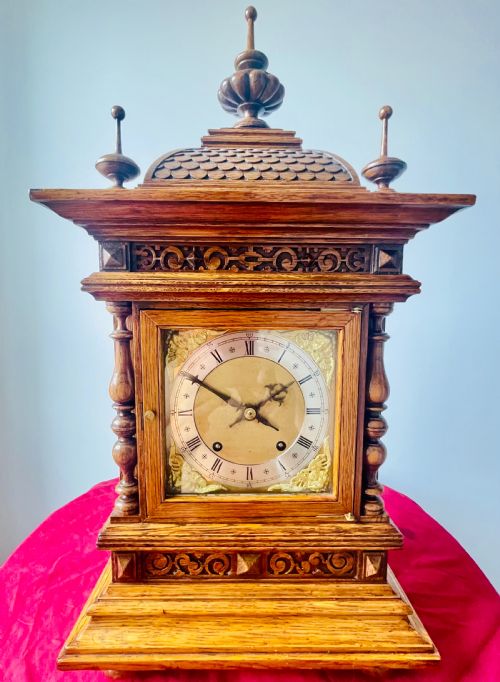
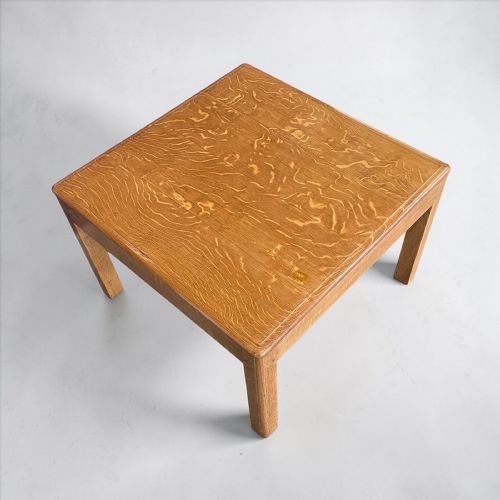
When searching for antique quarter tables, collectors encounter two distinct forms: horological pieces constructed to sound the quarter hours and items of furniture distinguished by quarter-veneered tops or three-quarter galleries. The horological examples include bracket clocks, carriage clocks, and lantern clocks originating from the Georgian, Victorian, and Edwardian eras. These timepieces utilise quarter-striking or quarter-repeating mechanisms to sound the passage of time on bells.
How they were made
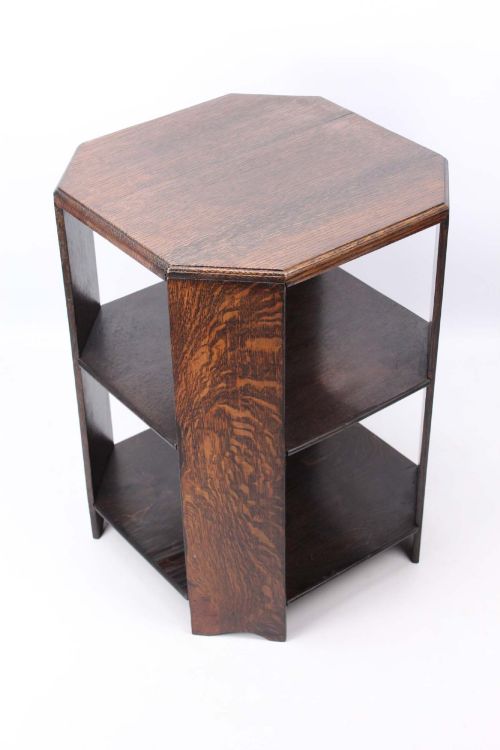
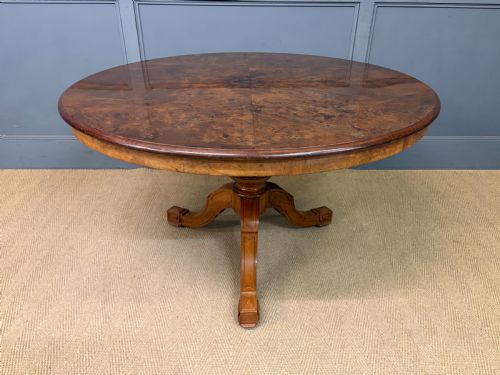
Makers constructed these pieces using solid hardwoods including oak and mahogany, alongside decorative veneers of burr walnut and ebony applied to stable secondary timbers. Cabinetmakers laid out wood grains with geometric precision to create patterned surfaces such as quarter-veneered table tops. Brass and ormolu components provided structural support, dial furniture, and decorative mounts.
Horological items integrated complex brass gear trains, fusee movements, and verge escapements housed within wooden, brass, or glass cases. Clockmakers mounted silvered dials and inscribed brass backplates, employing multiple bells or gongs to achieve quarter-striking capabilities.
Antique Quarter Tables Retail Price Guide 2026
Typical asking prices for quarter tables among the pieces listed under this phrase on Sellingantiques today, from the lower quarter to the upper quarter. They describe what is for sale here now, not the wider market.
Listings for these items span the Georgian, Victorian, and Edwardian periods, utilising oak, mahogany, walnut, and brass.
What varies in quality
The standard of a piece rests upon the precision of its construction and the quality of its materials. In furniture, the choice of timber figure, such as richly patterned burr walnut or quartered oak, dictates visual impact, alongside the accuracy of veneer matching. Drawer linings, dovetailed joints, and solid timber framing indicate the degree of care invested by the maker.
For timepieces, quality depends on the complexity and condition of the movement, the reputation of the maker inscribed on the dial, and the crispness of the case carving or metal casting. Clocks featuring multiple bells, twin fusee movements, and signed silvered dials represent higher tiers of horological achievement.
Betty Joel·Carters of London·Gillows·Heals·Le Roy et Fils à Paris
The Antique Quarter Tables Glossary
- Quarter-striking
- A mechanism that sounds bells or gongs at each quarter hour in addition to tolling the full hours. This complication requires intricate gear trains within bracket and mantel clocks.
- Quarter-veneered
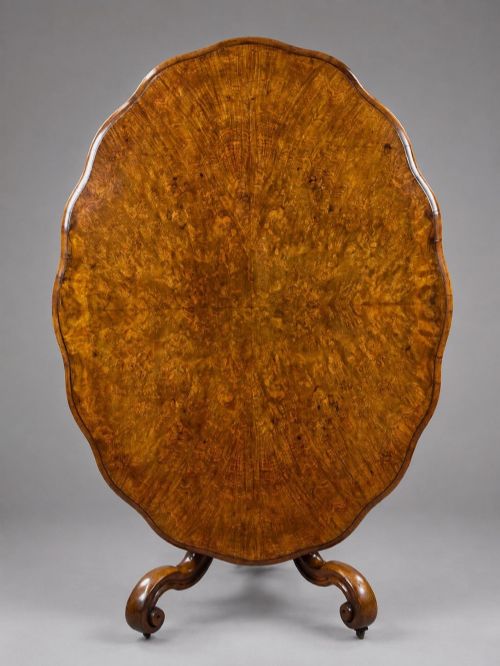
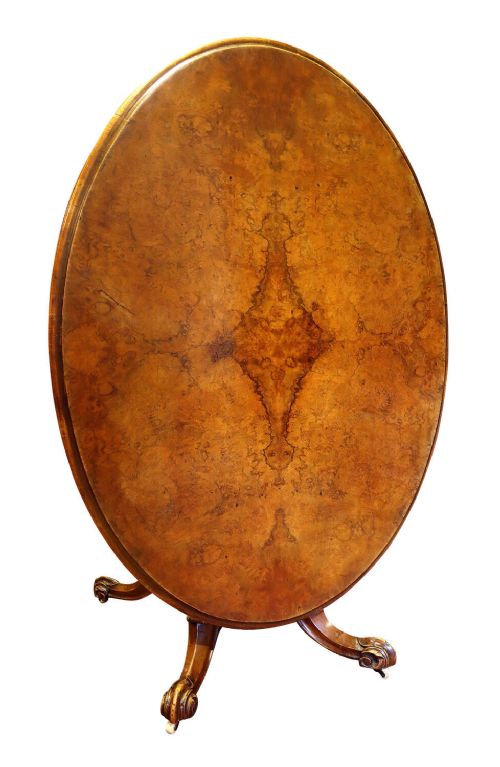
- A method of arranging four matching slices of wood veneer so their grain patterns meet symmetrically at the centre. This decorative technique appears on table tops and cabinet doors.
- Three-quarter gallery
- A raised timber rim running along three edges of a table top to prevent items from sliding off. It is frequently found on Georgian and Victorian dressing and occasional tables.
- Bracket clock
- A portable timepiece designed to sit on a bracket, shelf, or table rather than stand on the floor. These clocks often incorporate robust fusee movements and carrying handles.
- Fusee
- A conical pulley used in clock movements to maintain even tension on the gear train as the mainspring unwinds. This device improves the timekeeping accuracy of mechanical clocks.
Antique Quarter Tables: Frequently Asked Questions
What is a quarter striking clock?
A quarter striking clock is a timepiece engineered to sound bells or gongs at every quarter hour. These mechanisms divide the hour to announce the progression of time.
Such clocks were produced across the Georgian and Victorian periods by skilled horologists, often utilising twin fusee movements to power the striking trains alongside the timekeeping hands.
What does quarter veneered mean?
Quarter veneered describes a surface decorated with four matching segments of wood veneer sliced from the same log. Craftsmen arrange these pieces so the grain patterns reflect each other symmetrically.
This method highlights the natural figure of timbers such as walnut and mahogany, creating decorative geometric patterns across table tops.
How are different periods identified?
Periods are identified by examining the construction methods, timber selections, and stylistic characteristics of each piece. Georgian items often display restrained classical proportions, while Victorian examples embrace heavier carved ornamentation.
Twentieth century pieces, including those from the Art Deco and Arts and Crafts movements, shift towards streamlined forms or exposed structural joinery.