





Antique Putto Figurine
An antique putto figurine brings classical mythological charm to a room through winged infant figures cast in bronze or modelled in porcelain.
Antique Putto Figurine
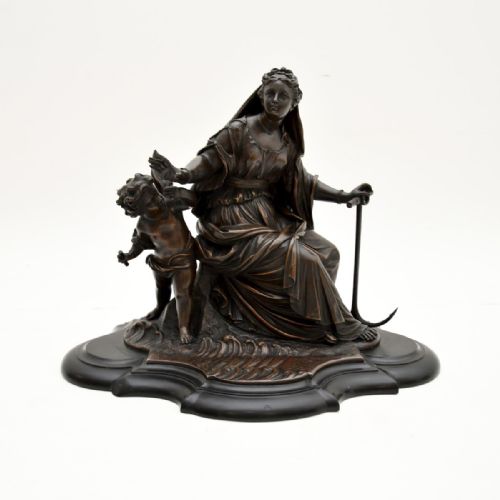
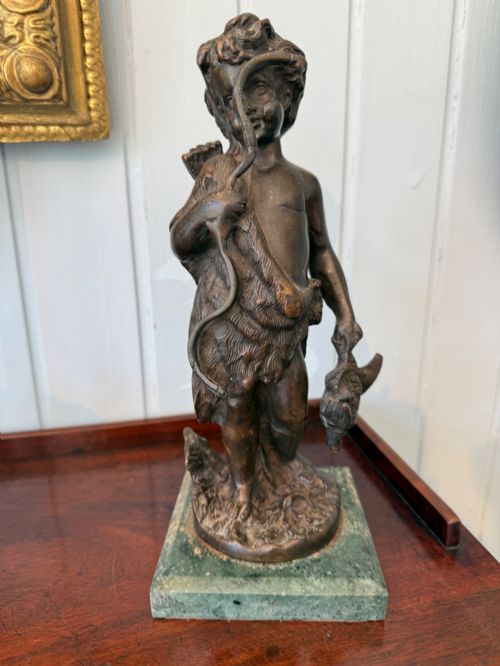
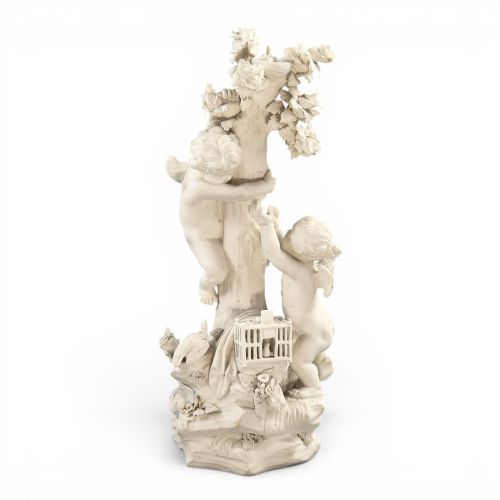
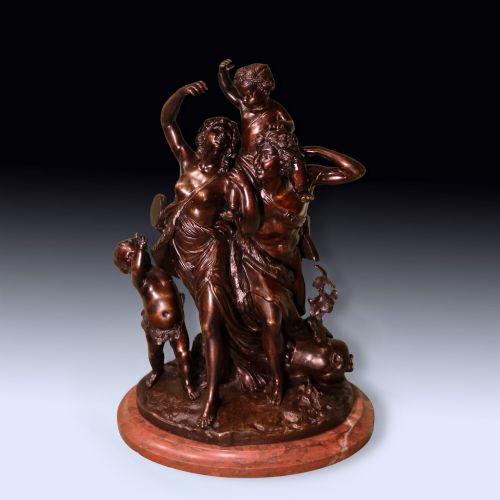
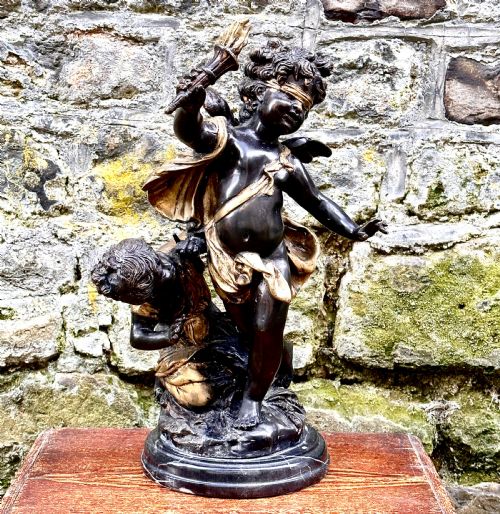
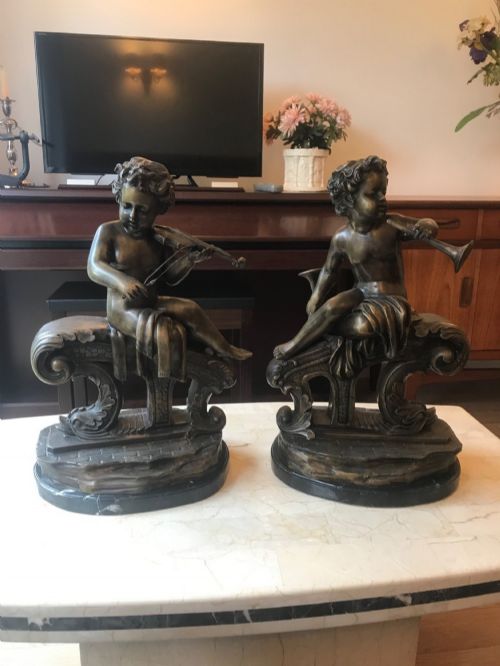
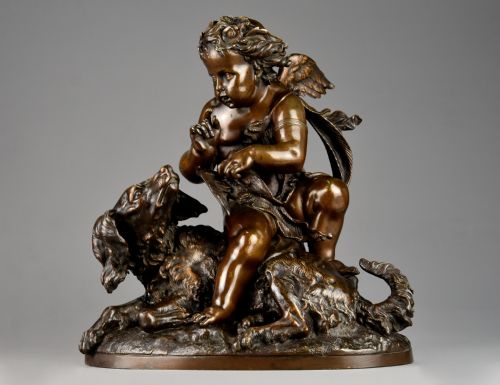
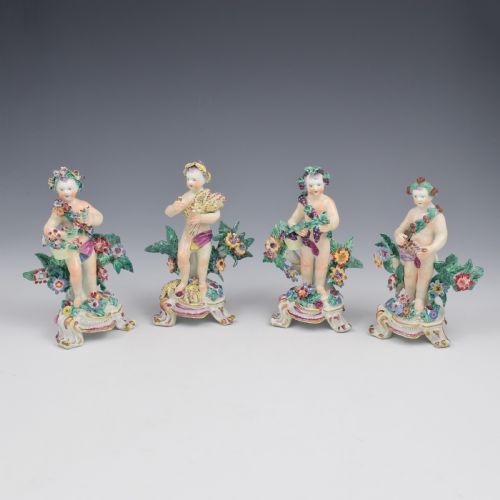
An antique putto figurine represents winged mythological infants often depicted as cherubs, cupids, or allegorical figures of seasons and arts. Buyers encounter these figures predominantly as standalone bronze sculptures, porcelain table figures, or decorative elements mounted upon mantel clocks and lamps.
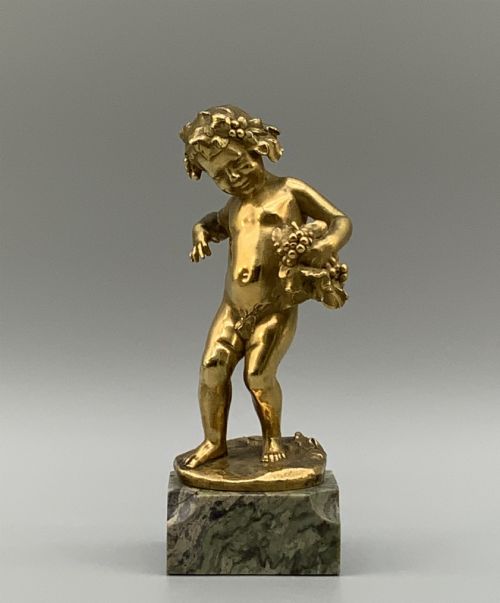
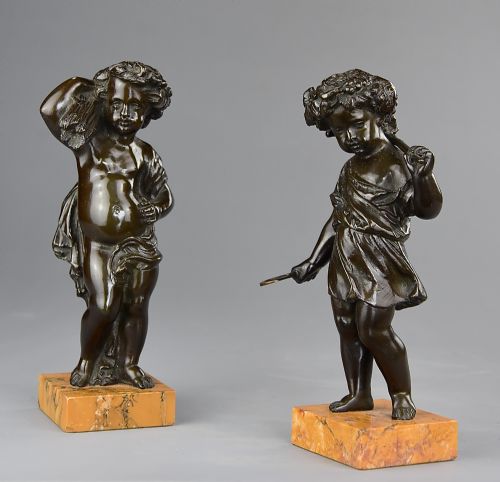
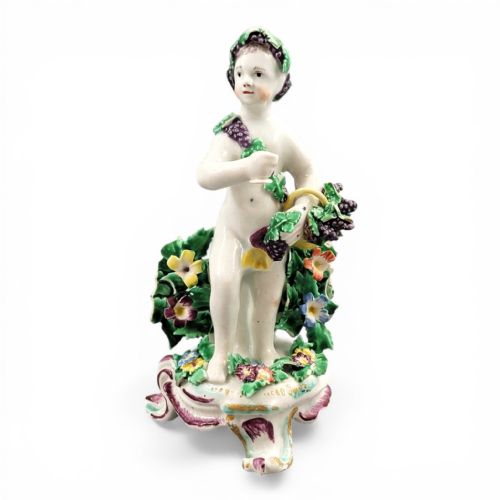
The selections span from Georgian porcelain and eighteenth-century ceramic works to nineteenth-century French and Italian bronze castings. Formats range from single standing cherubs holding grapes or musical instruments to symmetrical pairs designed as bookends or mantel garnitures.
Materials and Working Methods
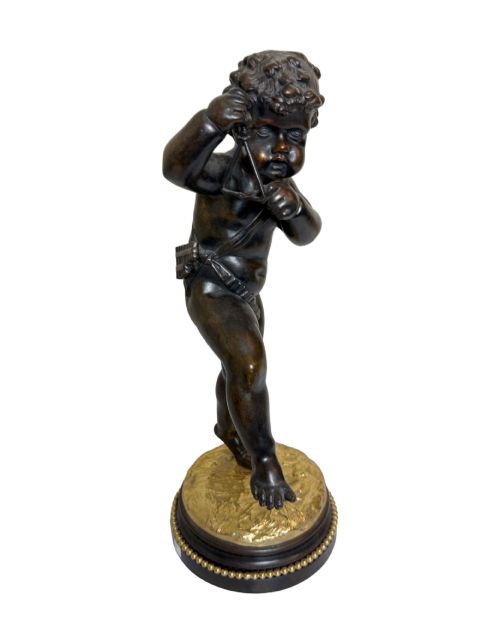
Bronze sculptures utilise the lost-wax casting technique, allowing intricate detail in the wings, hair, and accompanying attributes like bows or baskets of fruit. These metal figures frequently receive patination treatments or gilt bronze finishes, and many sit upon turned marble bases.
Ceramic examples employ hard-paste porcelain, biscuit porcelain, or glazed earthenware, often modelled in factories such as Meissen, Bow, and Royal Worcester. Enamel accents and polychrome overglaze painting define the surface decoration on these porcelain bodies.
Antique Putto Figurine Retail Price Guide 2026
Typical asking prices for putto figurine among the pieces listed under this phrase on Sellingantiques today, from the lower quarter to the upper quarter. They describe what is for sale here now, not the wider market.
Listings feature bronze, marble, and porcelain materials across nineteenth-century Neoclassical and Rococo Revival styles.
Distinctions in Execution
Porcelain quality depends on the crispness of the original modelling and the delicacy of the fired clay, particularly in biscuit figures where glaze cannot mask imperfections. Hand-painted colour application shows variation between factory-standard production and master painter output.
Charles Louis Malric·Susse Freres·Claude Michael Clodion·Royal Dux Bohemia·H Schubert·Antonio Canova·Paul Scheurich·George Kemper·Ernst Wallace·Edme Samson·Royal Worcester·Louis Auguste Moreau·Volkstedt·Aug Moreau·Karl Tutter
The Antique Putto Figurine Glossary
- Putto
- A plump, usually winged infant figure derived from classical art and frequently seen in Renaissance and later revival decorative works.
- Ormolu
- Gilt bronze mounted onto furniture, clocks, or ceramic bodies, created by applying finely ground gold mercury amalgam to cast bronze.
- Biscuit porcelain
- Unglazed porcelain fired to a matte, fine-grained finish that resembles marble and reveals the full subtlety of the modeller's work.
- Grand Tour
- Cultural travel undertaken by nineteenth-century Europeans collecting classical bronzes and marbles as tokens of their education.
Antique Putto Figurine: Frequently Asked Questions
What is the difference between a putto and a cherub?
Art historians distinguish putti as secular mythological infants from cherubs associated with celestial orders, though the terms merge in nineteenth-century trade descriptions.
Both appear interchangeably in the titles of bronze sculptures and porcelain figures across this collection.
How do I date a bronze putto sculpture?
Dating relies on the casting method, the quality of the surface patination, and any foundry marks or signatures stamped into the metal base.
Nineteenth-century pieces often display tighter chasing and heavier bronze weights compared to later reproductions.
Where were porcelain putti figures made?
Major European porcelain centres including Meissen in Germany, Bow in England, and various factories in France produced these figures throughout the eighteenth and nineteenth centuries.
Factory marks painted underneath the glazed base help identify the specific kiln and approximate production era.
How should I display a bronze figure with marble base?
Place these sculptures on stable mantelpieces, side tables, or dedicated pedestals away from direct sunlight and fluctuating humidity.
Ensure the weight of the bronze and marble assembly rests evenly to prevent tipping.