




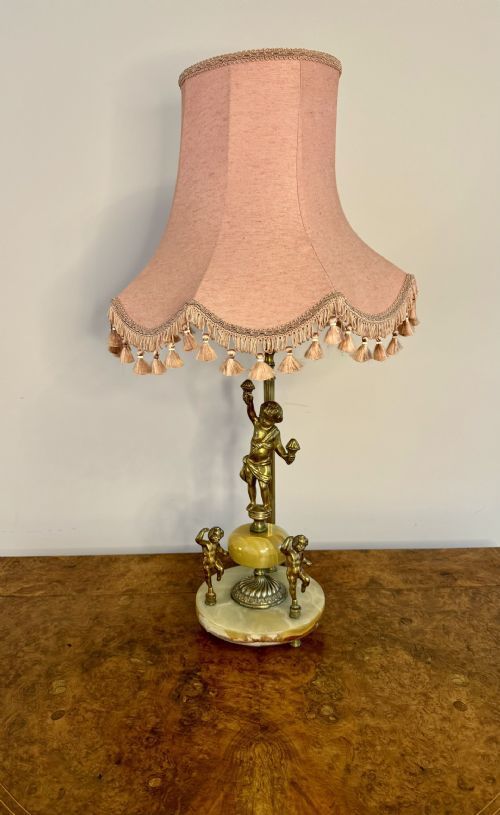
Antique Putti Statues
These antique putti statues capture winged infants and cherubs in bronze, marble, and carved wood from the eighteenth and nineteenth centuries.
Antique Putti Statues
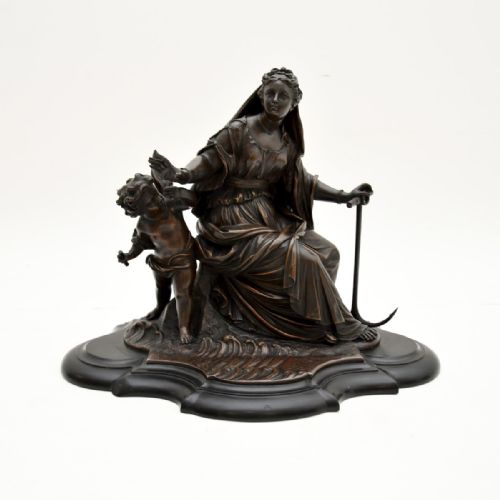
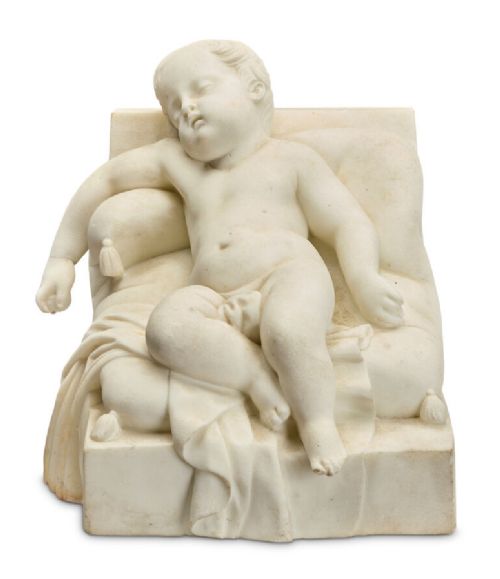
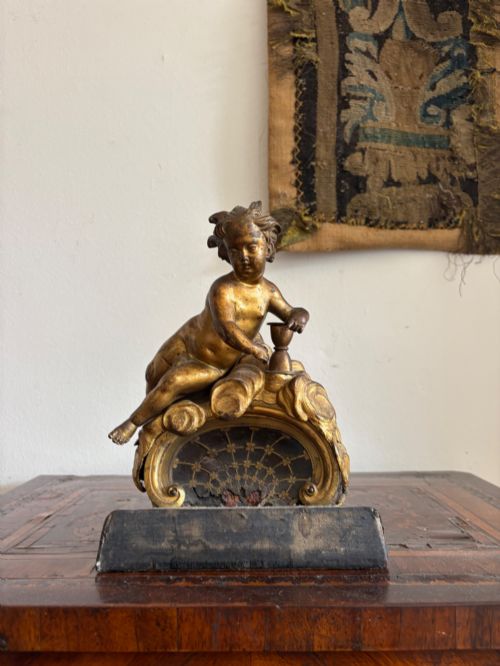
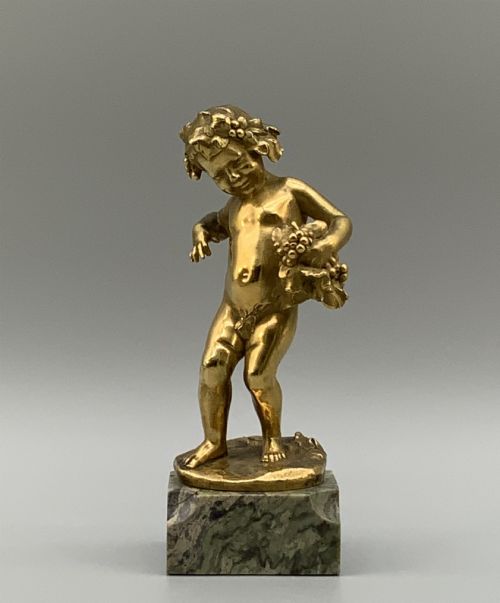
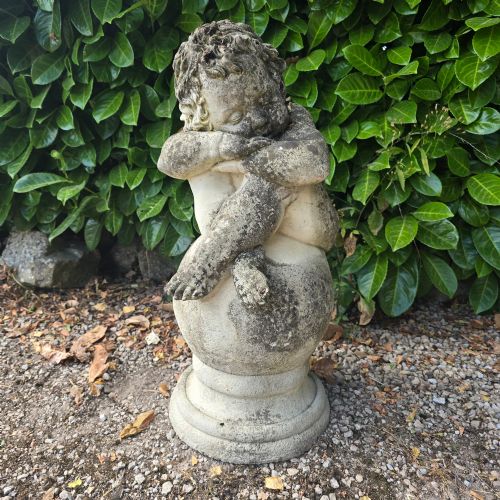
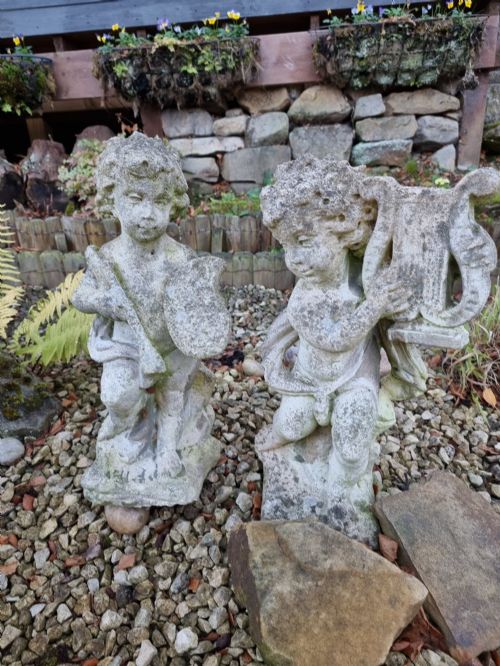
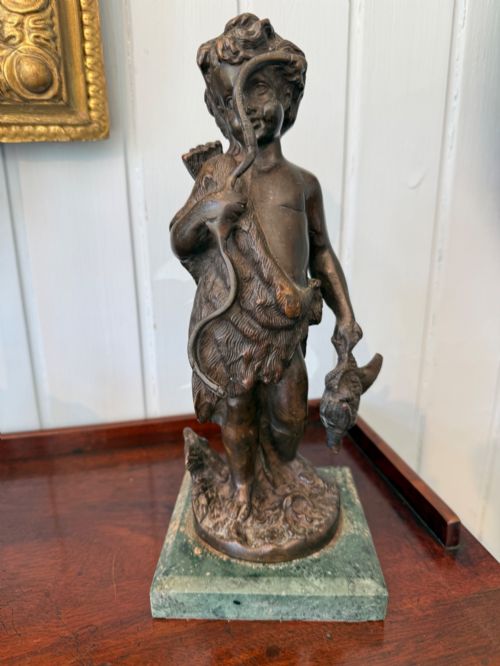
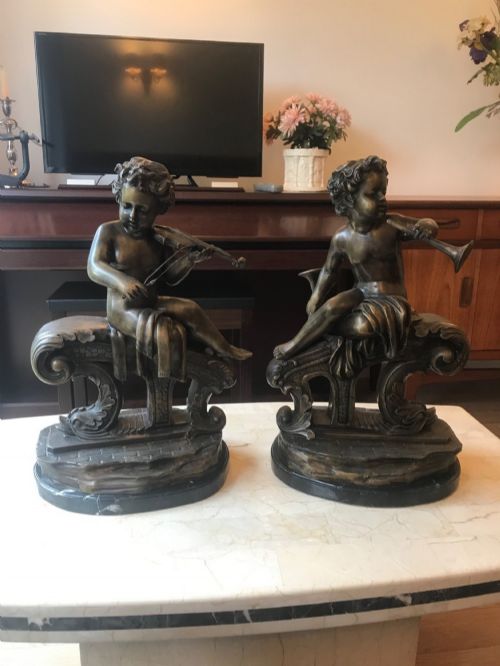
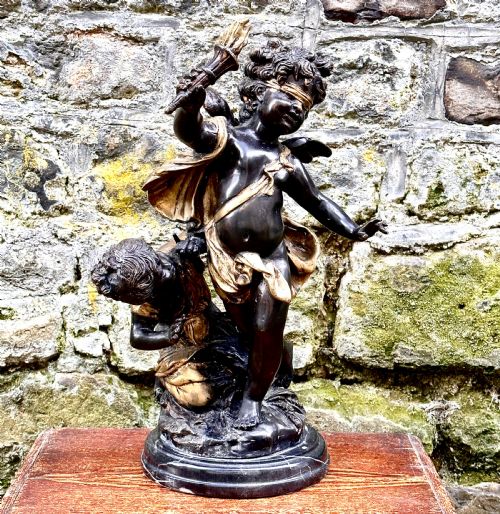
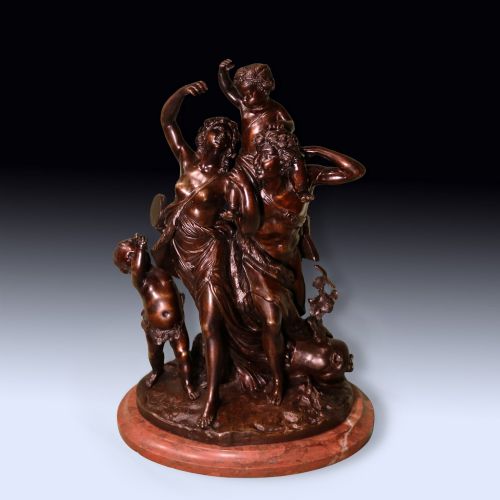
When you search for antique putti statues, you encounter sculptural depictions of winged cherubs, infants, and mythological figures derived from classical antiquity. These pieces manifest primarily as bronze and gilt bronze figures, carved wood ornaments, and marble table groups originating from French, Italian, and English workshops. The forms range from small finial mounts and bookends to substantial garden statues and table lamps.
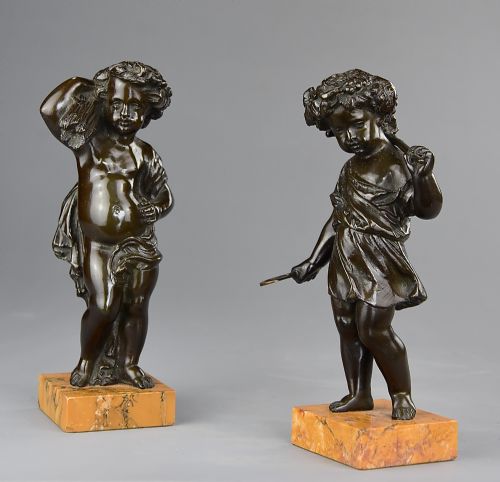
The aesthetic vocabulary spans Neoclassical, Baroque, and Rococo Revival styles, with nineteenth-century French casts showing particular fidelity to classical models. Figures often appear holding instruments, gathering grapes, or embodying allegorical themes such as harvest and love. Domestic tabletop sculptures and architectural ornaments dominate the selection, alongside occasional porcelain and earthenware figures.
How they were made
Metal sculptures rely upon traditional lost-wax casting in bronze, followed by hand-chasing of the surface detail and the application of patinas or ormolu gilding. Many French nineteenth-century examples combine cast bronze figures mounted upon polished marble or onyx bases.
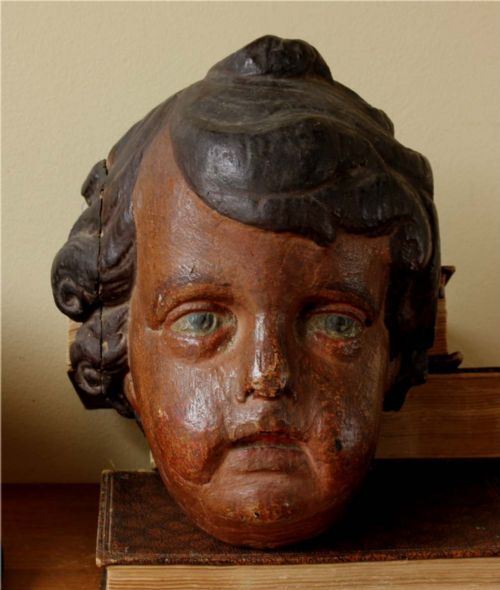
Carved wooden putti utilise native or exotic timbers shaped with gouges, then finished with gesso, gold leaf, or polychrome paint layers. Ceramic iterations involve porcelain and earthenware bodies shaped in moulds, painted with enamel colours, and glazed before firing.
Antique Putti Statues Retail Price Guide 2026
Typical asking prices for putti statues among the pieces listed under this phrase on Sellingantiques today, from the lower quarter to the upper quarter. They describe what is for sale here now, not the wider market.
Several mischievous putti arrive accompanied by unexpected companions, including spaniels, cats, and conch shells.
What varies in quality
Material integrity and the survival of original surface finishes dictate desirability, whether through the warm depth of an authentic period ormolu gilding, the crispness of hand-carved wood under gesso, or the quality of the marble base. Alterations such as conversions into table lamps introduce drilled holes that alter the original physical state of the sculpture.
Charles Louis Malric·Susse Frères·Claude Michael Clodion·Royal Dux Bohemia·H. Schubert·Antonio Canova·Paul Scheurich·George Kemper·Bow Porcelain·Ernst Wallace·Louis Auguste Moreau·Kerr & Binns·Royal Worcester
The Antique Putti Statues Glossary
- Putto
- A figure of a small winged infant, frequently found in classical art and Renaissance revivals. The plural form is putti.
- Ormolu
- Finely ground high-carat gold mercury-gilded onto a bronze object. This technique imparts a rich golden surface characteristic of fine French decorative metalwork.
- Grand Tour
- A cultural journey undertaken by wealthy young Europeans in the eighteenth and nineteenth centuries, acquiring local artworks such as small bronze sculptures upon their travels.
- Lost-wax casting
- A metal-casting method in which a molten metal is poured into a mould that has been created by means of a wax model. Once the mould is heated, the wax melts away.
- Polychrome
- Decorated in several colours. This term frequently applies to carved wooden cherub heads and figures finished with paint and gesso.
Antique Putti Statues: Frequently Asked Questions
What is the difference between putti and cherubs?
Putti are secular mythological infants originating from classical antiquity, often associated with love, wine, or the harvest.
Cherubs possess biblical associations, though the terms became largely interchangeable in nineteenth-century decorative arts.
How do I care for antique bronze putti?
Bronze requires minimal intervention beyond gentle dusting with a soft, dry cloth to prevent the accumulation of abrasive particles.
Avoid chemical polishes or modern cleaning agents, as these substances can strip the original historical patina.
Where were these statues originally displayed?
Smaller bronze and marble figures adorned nineteenth-century drawing room mantelpieces, desks, and architectural libraries.
Larger stone and lead examples were designed for placement within garden settings, courtyards, and conservatories.
Are converted table lamps still collectable?
Many nineteenth-century bronze statuettes were adapted into lamps during later decades to suit changing domestic utility.
While original unalterable states remain preferable to purists, skilled conversions retain decorative merit and sculptural presence.