




Antique Putti Artwork
Antique putti artwork brings winged mythological cherubs into your rooms through oil paintings, bronze sculptures and carved plaques.
Antique Putti Artwork
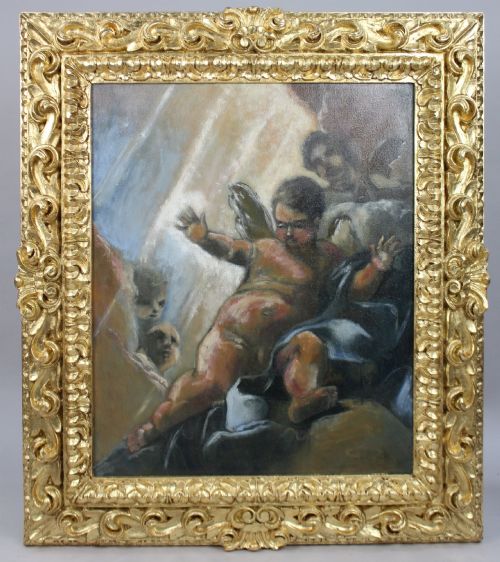
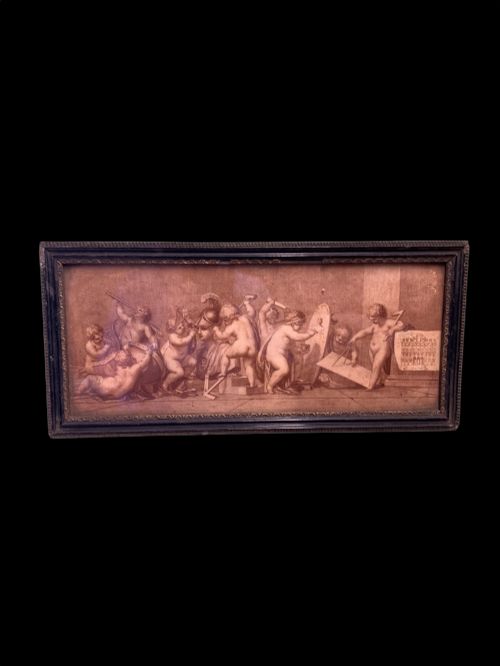
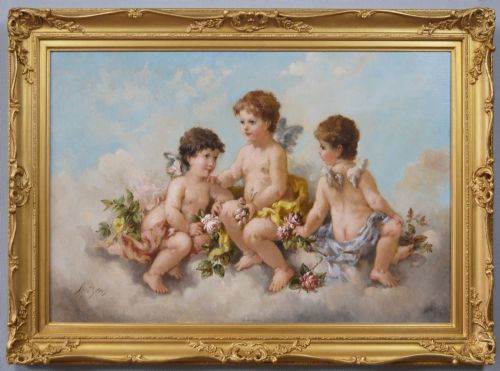
When you search for antique putti artwork, you encounter depictions of winged infant figures derived from classical mythology, frequently appearing as cherubs or cupids within paintings and sculptures. These pieces span multiple centuries, ranging from eighteenth-century oils to nineteenth-century bronzes and later twentieth-century interpretations.
The objects take diverse forms on this page, including oil paintings on canvas, framed wall art, freestanding bronze sculptures, and hand-carved plaques in materials such as Welsh slate.
Stylistic influences across the selection draw heavily upon the Renaissance, Baroque, French Rococo, and Neoclassical traditions, reflecting the enduring appeal of these mythological motifs in European decorative arts.
Materials and construction methods
Painters utilised oil paint on canvas grounds, sometimes employing sophisticated techniques like grisaille or camaieu bleu monochrome palettes to render depth and texture. Frames often consist of carved wood enhanced with gold leaf, complementing the central imagery.
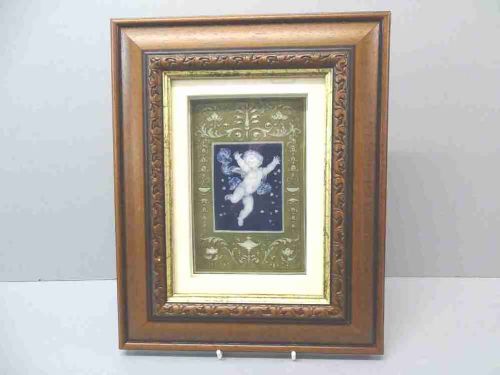
Sculptural works rely on bronze casting to capture intricate anatomical details of figures and drapery, while other decorative items demonstrate specialised ceramic processes like pate sur pate or involve meticulous hand-carving directly into Welsh slate.
Cherubs occasionally abandon their celestial duties to play amongst roses or bicker over fruit.
Distinctions in quality
The refinement of the artistic execution dictates the standing of an individual piece, visible in the handling of human anatomy, facial expressions, and compositional balance. Works executed by named artists or following established classical precedents tend to display superior draftsmanship.
Material selection and mounting further differentiate the inventory, where heavy cast bronze figures and elaborately carved giltwood frames demonstrate greater craftsmanship than standard productions.
Charles Augustus Henry Lutyens·Birks
The Antique Putti Artwork Glossary
- Putti
- Winged infant figures of classical origin often found in art. They differ from cherubs by lacking strictly religious connotations, though the terms frequently overlap.
- Grisaille
- A painting executed entirely in shades of grey or neutral greyish-brown. This monochrome technique creates the illusion of three-dimensional sculpture.
- Pate sur pate
- A ceramic decorating technique where liquid clay is applied in successive layers to a contrasting background body. This builds up a low relief cameo effect.
- Trompe l'oeil
- An art technique that uses realistic imagery to create the optical illusion that the depicted objects exist in three dimensions.
- Camaieu bleu
- A monochrome painting technique executed entirely in shades of blue. It produces a harmonious and unified tonal effect across the canvas.
Antique Putti Artwork: Frequently Asked Questions
What are putti in antique art?
Putti represent plump, winged infant figures originating in classical art and gaining renewed popularity during the Renaissance and subsequent revival periods.
Artists utilised these motifs to symbolise divine love, mischief, or classical harmony within paintings and sculptural groups.
How do I date an antique painting?
Dating relies upon examining the canvas preparation, stretcher frames, pigment types, and stylistic conventions associated with specific centuries.
Comparative analysis with documented works from similar periods helps establish the likely decade of production.
Where should I hang these artworks?
These pieces suit traditional reception rooms, libraries, or hallway spaces where framed canvases and carved plaques can command adequate attention.
Care should be taken to avoid direct sunlight to protect sensitive oil paints and giltwood surfaces from degradation.
What is the difference between putti and cherubs?
Putti derive from classical mythology as secular infant spirits, whereas cherubs belong to a specific celestial order of angelic beings.
Over the centuries, artists often used the terms interchangeably when depicting winged children in decorative art.