




Antique Pulpit Stand
An antique pulpit stand is an imposing ecclesiastical piece that brings gravitas and a commanding focal point to any room.
Antique Pulpit Stand
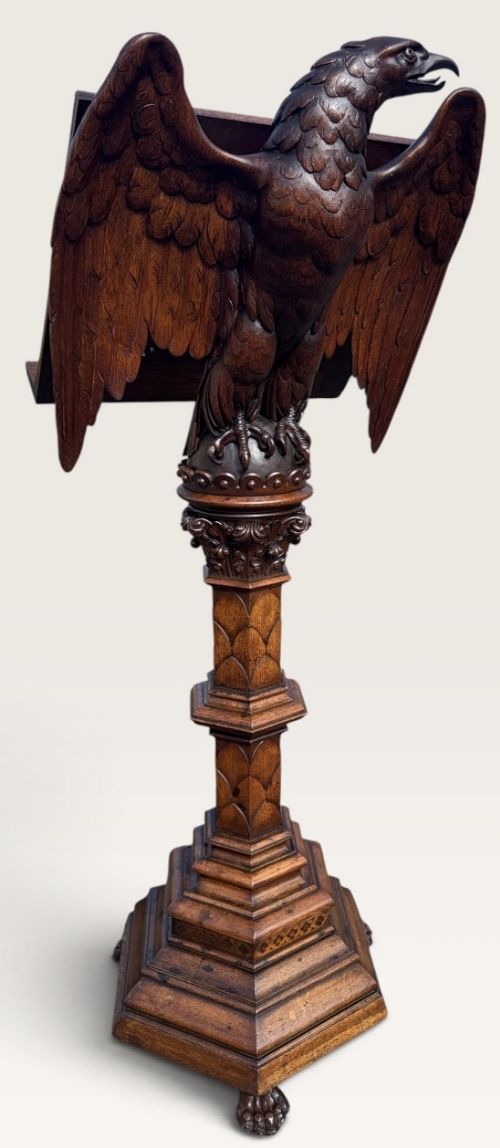
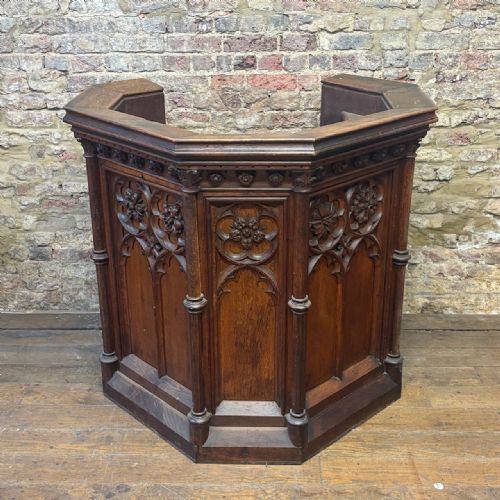
When you search for an antique pulpit stand, you encounter large devotional furnishings designed for reading religious texts aloud in churches. The offerings on this page predominantly span the nineteenth century and the Victorian era, bringing traditional church architecture into domestic or commercial spaces.
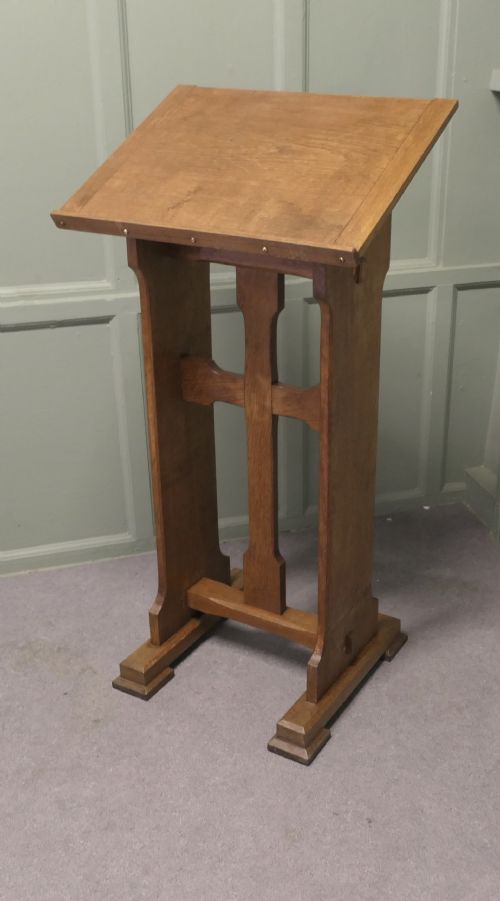
Beyond traditional ecclesiastical settings, certain variations function effectively as podiums or restaurant reception greeter stations. The selection covers diverse expressions from the Victorian period through the Edwardian years and into early twentieth century utility designs.
Materials and construction methods
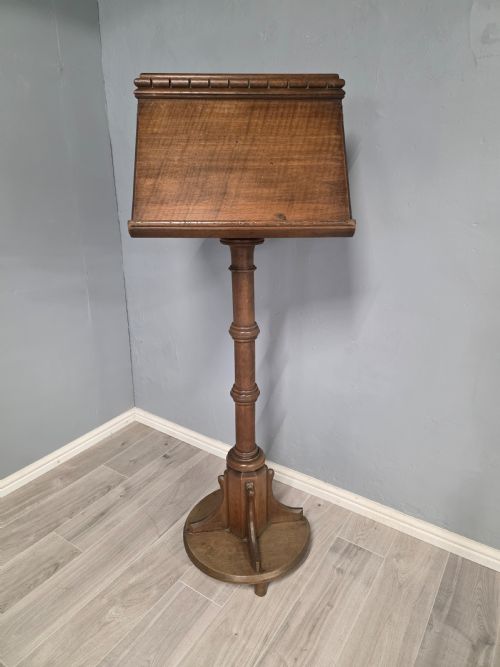
Makers relied heavily on solid oak and pine for wooden stands, employing traditional joinery and deep carving techniques to execute complex ecclesiastical designs. Oak provided the structural strength and rich grain necessary for elaborate Gothic Revival ornamentation.
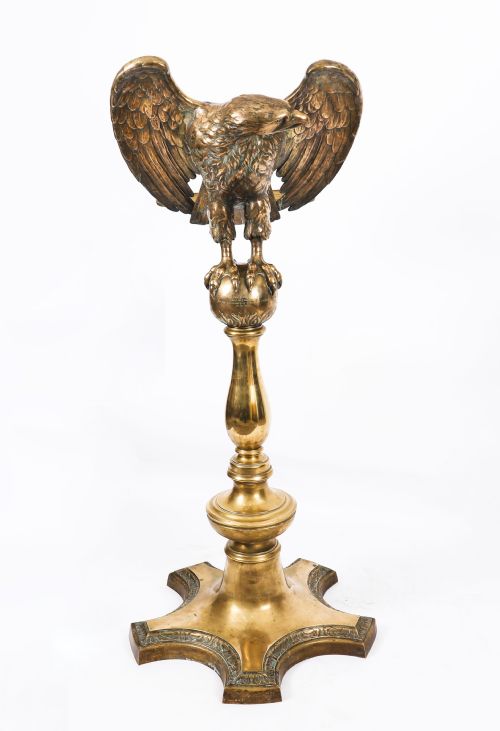
Brass formed the primary metal medium, notably utilised for striking eagle lecterns that required intricate casting and detailed finishing. Iron also appeared in structural components, combining with wood to ensure stability for heavy folio books.
Antique Pulpit Stand Retail Price Guide 2026
Typical asking prices for pulpit stand among the pieces listed under this phrase on Sellingantiques today, from the lower quarter to the upper quarter. They describe what is for sale here now, not the wider market.
Materials recorded across the current inventory include oak, pine, brass, iron, and general wood.
Assessing quality in stands
Quality rests primarily on the depth and precision of the woodcarving, distinguishing standard joinery from master craftsmanship. Pieces featuring meticulously detailed eagle figures or sophisticated Gothic Revival tracery represent the superior end of the range.
The choice of primary timber significantly dictates value and visual impact, with richly figured golden oak and heavy brass outperforming simpler pine constructions. Originality of surface finish and the integrity of structural joins further separate exceptional examples from utilitarian workshop output.
The Antique Pulpit Stand Glossary
- Lectern
- A tall stand with a slanted top designed to hold a book for a speaker to read from. These form the vast majority of pulpit stands encountered in church furniture.
- Gothic Revival
- An architectural and decorative style popular in the nineteenth century that mimics medieval forms. You see it expressed through pointed arches, trefoils, and heavy carved woodwork.
- Ecclesiastical
- Relating to the Christian Church or its clergy. Pieces described this way were originally commissioned for use inside places of worship.
- Arts and Crafts
- A design movement championing traditional craftsmanship and simple forms. In these listings, it describes stands that favour honest construction and clean golden oak surfaces over excessive ornamentation.
Antique Pulpit Stand: Frequently Asked Questions
What is an antique pulpit stand?
An antique pulpit stand is a heavy reading desk traditionally used by clergy members to hold service books during church ceremonies.
Today, buyers repurpose these imposing wooden and brass structures as statement furniture, reception podiums, or music stands in large rooms.
How do I date an antique pulpit stand?
Dating relies on examining the timber, construction methods, and stylistic cues such as Victorian Gothic Revival or Arts and Crafts motifs.
Nineteenth-century examples frequently feature hand-carving and solid oak, while early twentieth-century pieces lean towards simpler pine utility designs.
Are all pulpit stands made of oak?
While oak is the predominant timber seen in these listings, makers also utilised pine, iron, and cast brass.
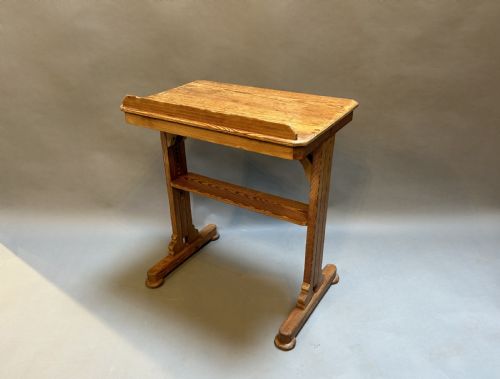
Brass was particularly favoured for elaborate eagle lecterns, whereas pine often appeared in simpler or later utility-period reading tables.
How can I use a pulpit stand at home?
These tall stands function brilliantly as architectural focal points, reading desks, or music stands in studies and libraries.
Commercial buyers also utilise sturdier oak podium versions as reception greeter stations in restaurants and hospitality venues.