


Antique Pub Seating
Antique pub seating brings solid timber benches, Windsor chairs and tavern stools into the home for daily use.
Antique Pub Seating
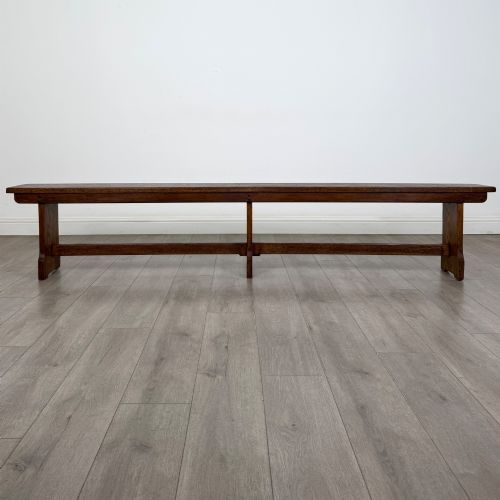
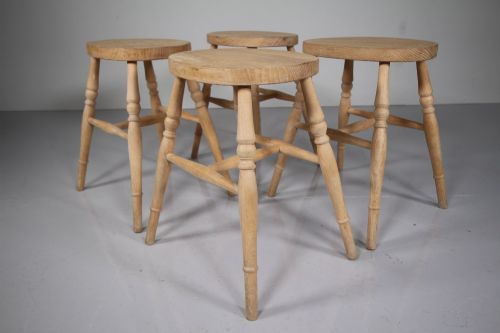
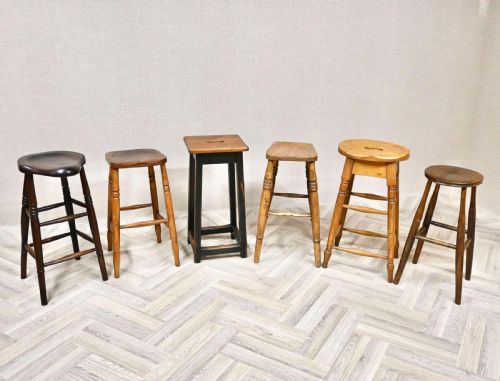
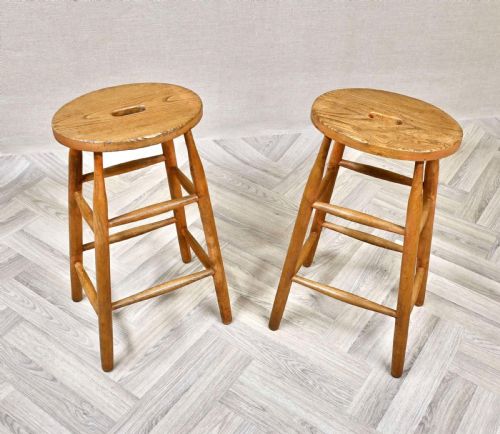
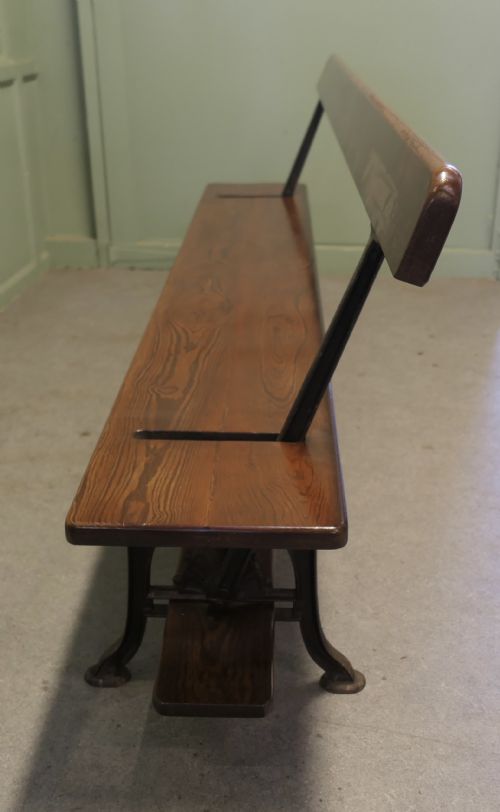
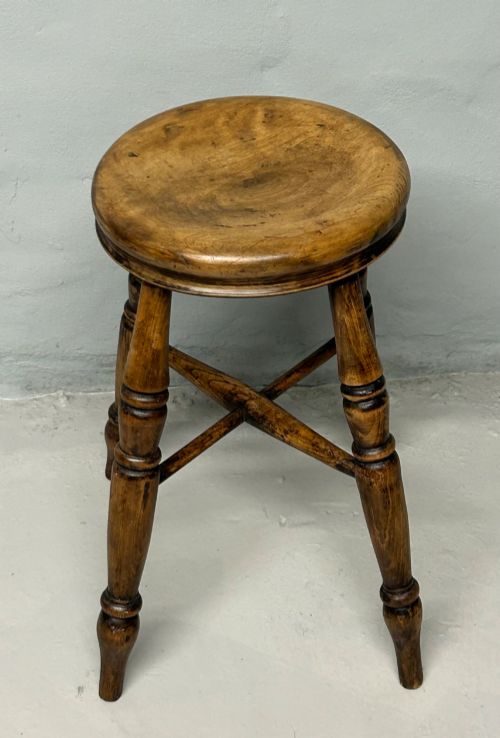
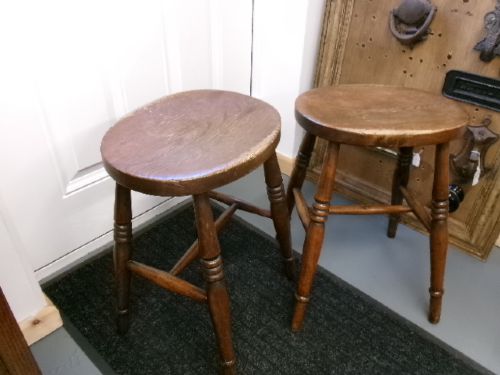
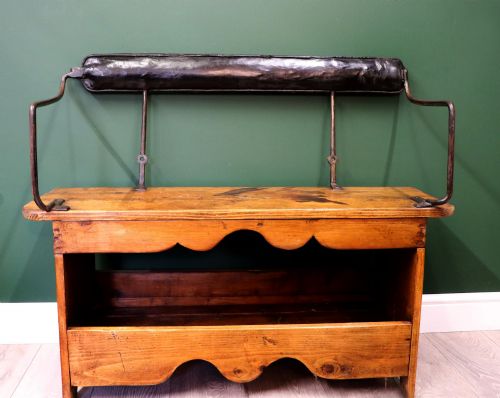
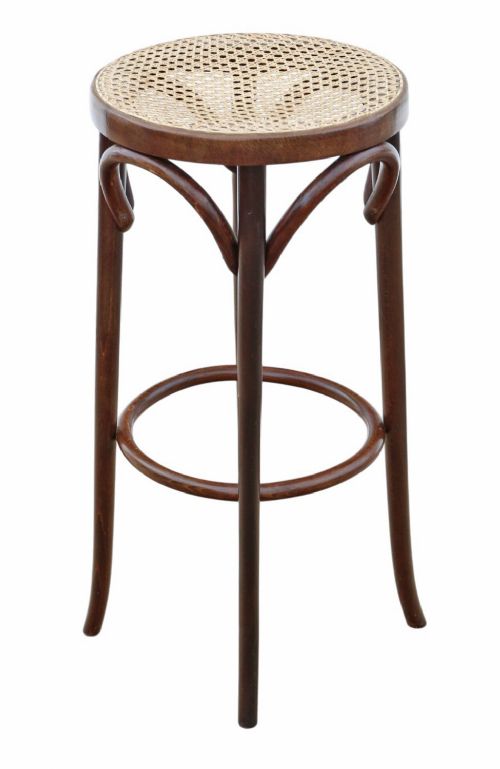
When you search for antique pub seating, you encounter utilitarian forms built for heavy public use in taverns, alehouses and inns. These pieces span the nineteenth and early twentieth centuries, including sturdy long benches, high bar stools and low tavern stools with dished tops.
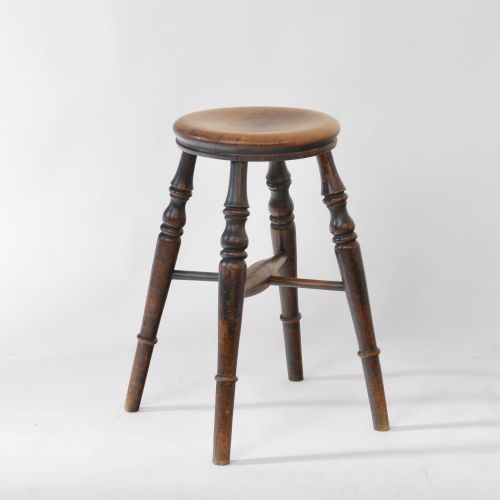
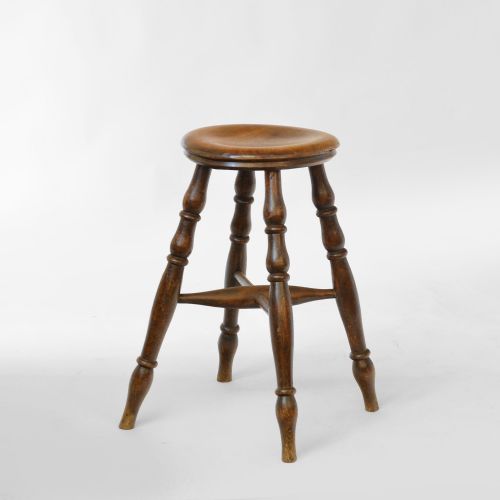
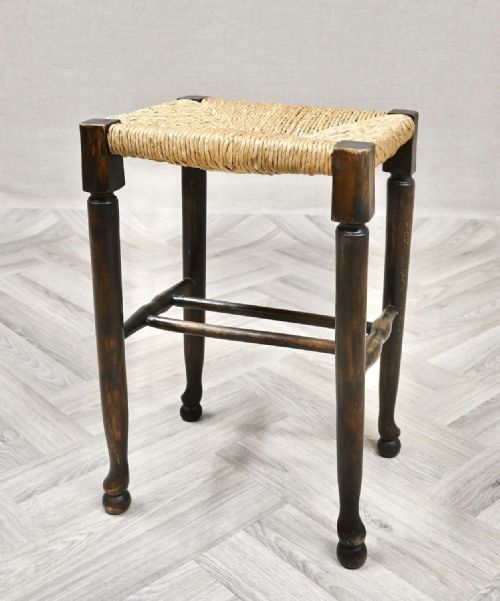
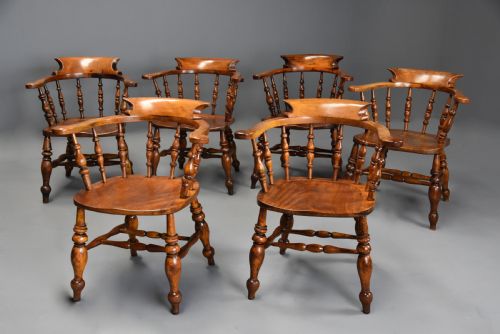
The most common versions on this page are nineteenth-century tavern and bar stools, alongside smokers bow armchairs and pine settles. They carry the marks of hard commercial service, often shaped by decades of sitting in public rooms.
Makers focused on simple, robust construction rather than delicate ornamentation, resulting in honest seating designed to withstand constant movement. Survivors range from tall clerk stools to low rush seat stools and Windsor kitchen chairs repurposed from commercial spaces.
Materials and construction
Makers relied primarily on native hardwoods such as elm, beech, oak and ash, often combining two timbers in a single piece like an elm seat with beech legs. This mixed construction used tough woods where strength mattered most.
Turned legs, steam-bent components and saddle-dished solid seats characterise the seating methods of the period. Joinery was kept simple and strong, utilising pegging and wedged tenons to endure the rigours of nineteenth-century alehouses.
Assessing quality and character
Quality in pub seating rests on the integrity of the timber and the depth of natural patination earned through use. Superior examples retain their original surface without excessive sanding, showing clear grain and honest wear around the footrests and seat edges.
Proportion and sturdiness set better pieces apart, particularly in tall bar stools and smokers bows where slender turned members must still support robust weight. The best survivals keep their original height and timber joints tight despite generations of commercial service.
The Antique Pub Seating Glossary
- Smokers Bow
- A low-backed Windsor armchair with a rounded continuous rail and turned spindles, popular in nineteenth-century public houses. These chairs offer a deep wooden seat and sturdy arm support.
- Settle
- A high-backed wooden bench with solid panels designed to block drafts in tavern taprooms. Early examples feature enclosed storage bases beneath the seat.
- Dished Top
- A wooden seat carved into a shallow concave basin for comfort. This shaping is typical of nineteenth-century tavern and bar stools.
- Bentwood
- Wood softened by steam and bent into curved shapes, commonly seen in late nineteenth and early twentieth-century stools. This technique created lightweight yet resilient frames for commercial interiors.
Antique Pub Seating: Frequently Asked Questions
How do I clean antique pub wood?
Wipe surfaces gently with a dry or barely damp cloth to remove dust without stripping the aged finish. Avoid modern chemical polishes that build up a sticky residue over the historic timber.
Apply occasional coats of pure beeswax to nourish dry hardwood and maintain a soft sheen. This protects the original grain while preserving the natural patina accumulated over generations of tavern use.
Are bar stools comfortable for daily dining?
Many nineteenth-century tavern and bar stools feature ergonomically dished wooden seats designed for hours of sitting in public houses. Their sturdy foot rails provide proper support when seated at high tables or breakfast bars.
Tall clerk and tram stools have smaller perching surfaces meant for shorter tasks rather than long lounging. Selecting the correct seat height relative to your table ensures a comfortable daily experience.
What woods were used in tavern seating?
Joiners selected tough, resilient timbers such as elm, beech, ash and oak to withstand the heavy demands of alehouses and inns. Elm was frequently chosen for seats due to its interlocking grain resisting splits, while beech and ash provided strong turned legs.
Pine appeared in larger benches and settles, offering a lighter wood that was easily shaped and scrubbed. Mixed timber construction remained standard practice throughout the nineteenth century.