




Antique Profile Miniature Art
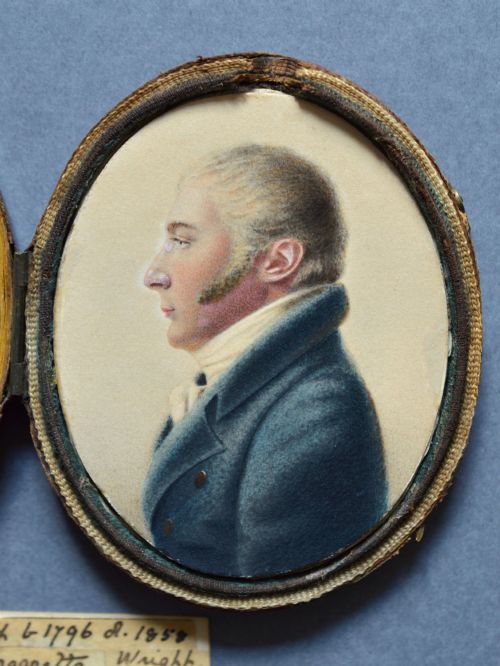
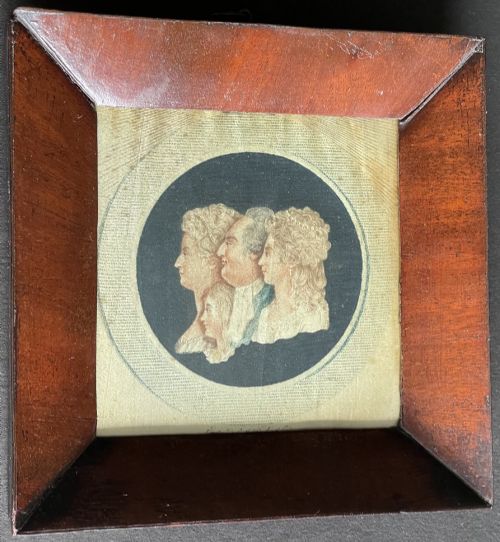
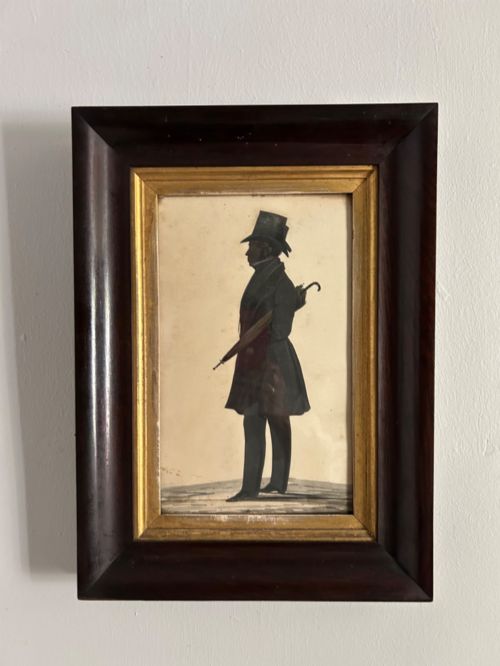
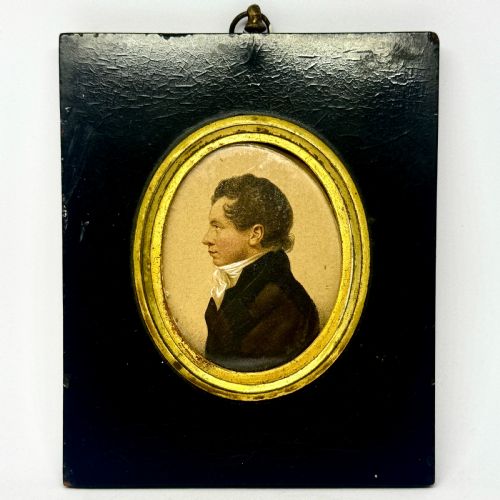
These antique profile miniature art pieces capture likenesses in delicate cut-paper, painted glass and watercolour, offering an intimate window into past lives.
Antique Profile Miniature Art
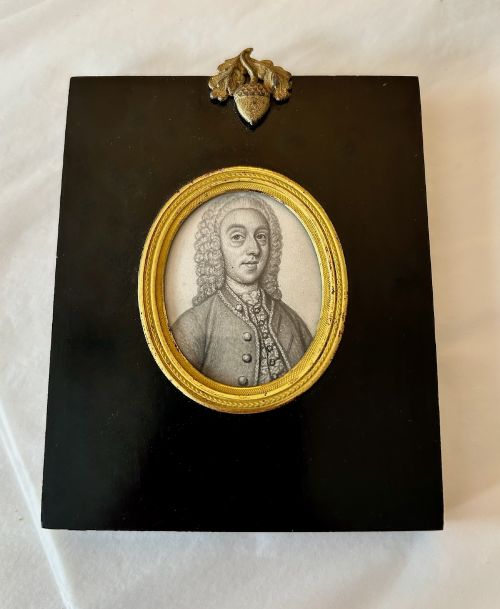
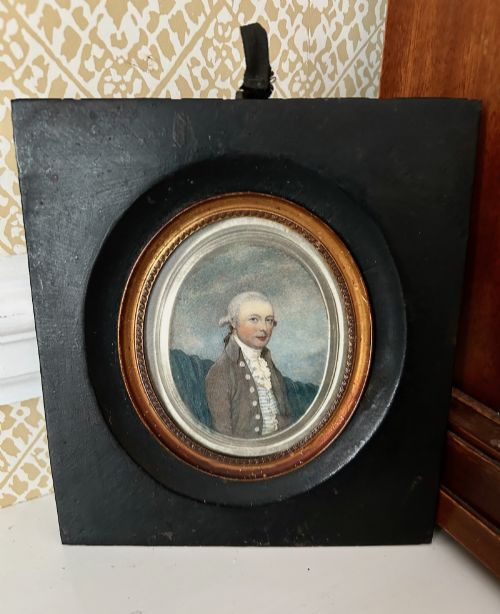
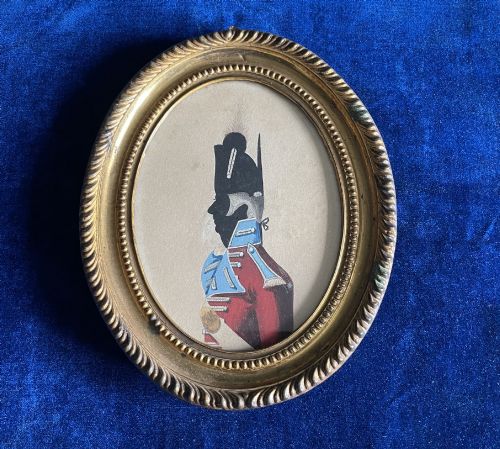
The selections on this page span the eighteenth, nineteenth and early twentieth centuries, covering Georgian, Regency and Victorian periods. You will frequently find silhouette portraits executed on paper, glass or plaster alongside watercolour and pencil works.
Makers and artists utilised various formats, ranging from simple framed wall art to pendants and sets of dignitaries. The pieces reflect the prevailing aesthetic of their eras, employing Neoclassical and Revival styles to present subjects in strict profile.
Materials and construction
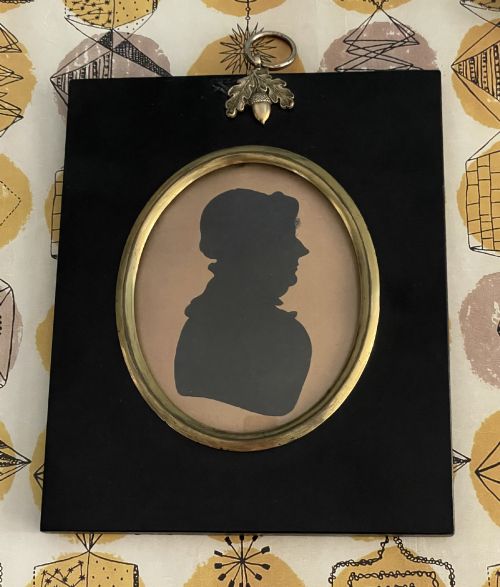
Artists created these works using paper, glass, wood and brass, often combining hand-cut paper with ink and watercolour highlights. Many silhouette portraits feature gilded detailing applied directly to glass or paper to accentuate costume and facial contours.
Frames play an integral part in the construction, utilising ebonised wood, rosewood and heavy brass surrounds to protect the fragile media within. Plaster and wax also appear as base materials, providing a solid ground for sculpted profiles and painted details.
Antique Profile Miniature Art Retail Price Guide 2026
Typical asking prices for profile miniature art among the pieces listed under this phrase on Sellingantiques today, from the lower quarter to the upper quarter. They describe what is for sale here now, not the wider market.
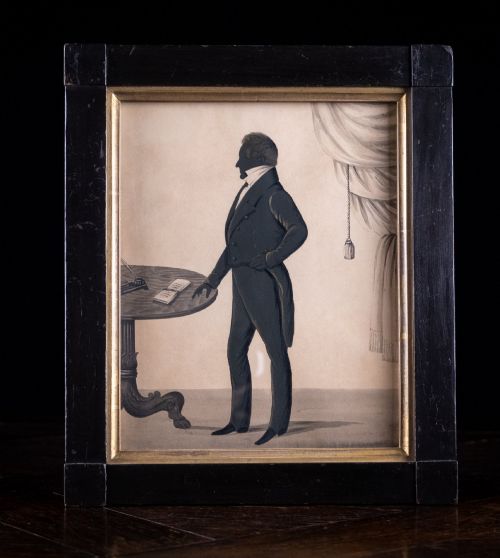
Among the human dignitaries, one enterprising canine preserves its profile for posterity through Augustin Edouart's scissors.
Markers of distinction
Quality in these works rests upon the precision of the hand-cut silhouette or the fineness of the brushwork in watercolour and plumbago. Superior examples demonstrate a crispness of line and an economy of detail that captures a convincing likeness without excess embellishment.
The preservation of the original backing, glass and frame significantly influences the standard of a piece. Works bearing signature documentation or attributable to known practitioners retain greater documentary clarity than anonymous examples.
Bateman·Frith·James Sharples·George Atkinson·Thomas John Horsley·James Gillespie·Augustin Edouart·Hubard Gallery·John Miers·Elizabeth Hudson·Thomas London·J. Deacon·Susie Lassam·James Ferguson·Archibald Skirving·John Smith of Edinburgh
The Antique Profile Miniature Art Glossary
- Silhouette
- A portrait rendered as a solid shape, usually in black, showing a profile view. These were hand-cut from paper or painted onto glass, plaster or card.
- Plumbago
- A drawing executed in graphite, taking its name from the Latin word for lead ore. These works show fine monochromatic detail.
- Reverse painted
- A technique where the artist paints directly onto the underside of a glass sheet, viewing the finished portrait through the glass front.
- Ebonised wood
- Timber treated with a dark finish to resemble ebony, frequently used for framing nineteenth-century profile works.
- Pendant
- A small framed portrait designed to be worn around the neck or carried, often featuring precious metalwork.
Antique Profile Miniature Art: Frequently Asked Questions
How do I identify a Georgian silhouette?
Georgian silhouettes often feature fine hand-cut paper mounted on card, or delicate painting on plaster and glass. Look for eighteenth-century costume details such as powdered wigs, lace cravats and high-collared coats.
Frames from this era are typically narrow black wood or papier-mâché with gilt brass hangers at the top. Signatures or trade labels on the reverse by makers like John Miers further confirm the period.
What is a reverse painted silhouette?
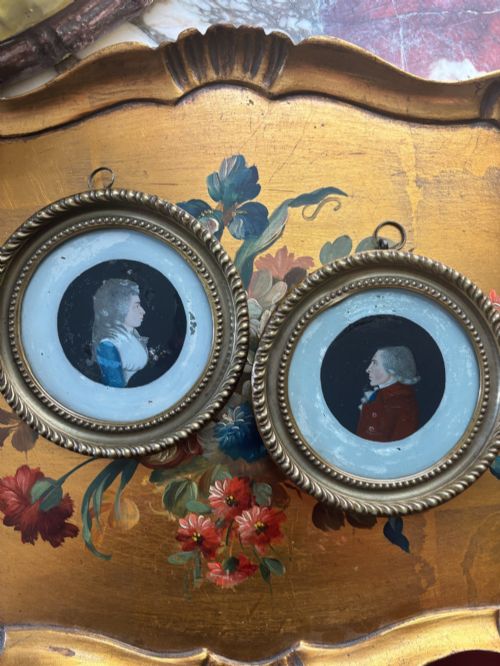
Reverse painted silhouettes involve applying black pigment and fine gold leaf to the reverse side of a convex or flat piece of glass. When viewed from the front, the glass provides a glossy protective layer that enhances the depth of the image.
This technique was popular during the Regency period and requires careful handling to prevent the underlying paint from flaking away from the glass surface.
How should I display profile miniatures?
Display these works away from direct sunlight to prevent the fading of watercolour pigments, inks and dark silhouette papers. Wall placement should avoid damp areas, as moisture can damage the delicate paper grounds and cause foxing.
Group small framed silhouettes together on a neutral wall to create a traditional gallery effect that mirrors nineteenth-century domestic interior arrangements.
Are these portraits signed by artists?
Some profile miniatures bear artist signatures, studio stamps or inscriptions on the reverse of the backing board. Well-documented practitioners like John Miers or Augustin Edouart occasionally signed their work or included trade labels indicating their studio addresses.
Unsigned pieces remain common, relying on the quality of execution, style of cutting and framing conventions to suggest a period or maker.