




Antique Miniature Drawings
Antique miniature drawings are intimate works on paper capturing likenesses in pencil, plumbago and watercolour, prized for their exquisite detail and personal scale.
Antique Miniature Drawings
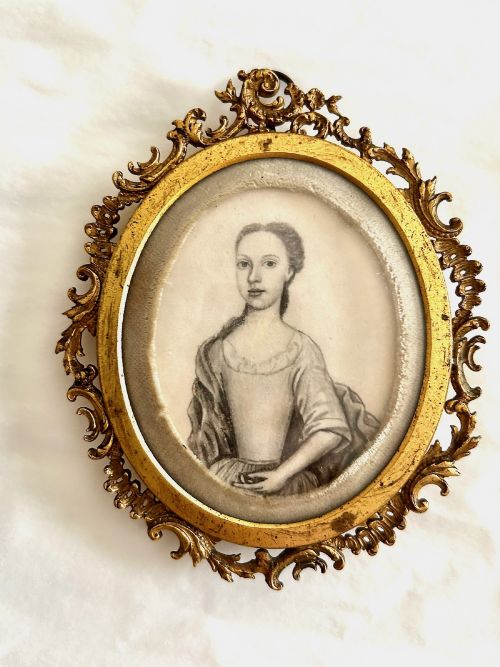
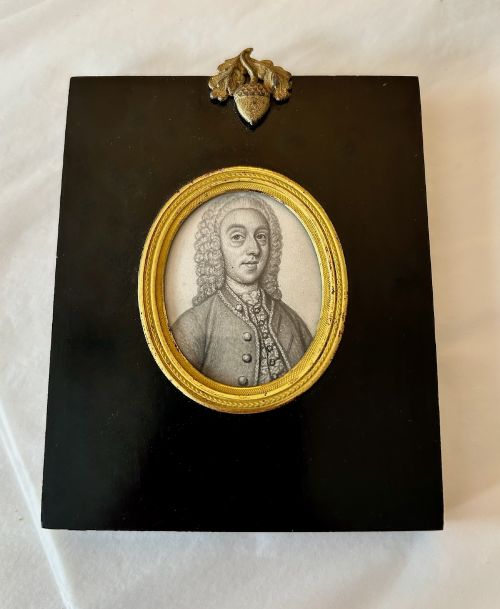
Antique miniature drawings encompass delicate works executed on paper, often housed in protective wooden or brass frames beneath glass. These pieces capture portraiture and figure studies on a small scale, ranging from single subjects to sets of multiple framed works.
The pieces available span several distinct periods, with Georgian, Regency and Victorian examples appearing most frequently. Buyers encounter both individual likenesses and grouped family portraits, sometimes accompanied by pastels or silhouettes.
Materials and techniques
Draftsmen relied primarily on paper supports, applying graphite, pencil and plumbago to achieve fine linear detail. Plumbago drawings utilised a refined form of graphite that yielded a smooth, silvery grey tone favoured for crisp portraiture.
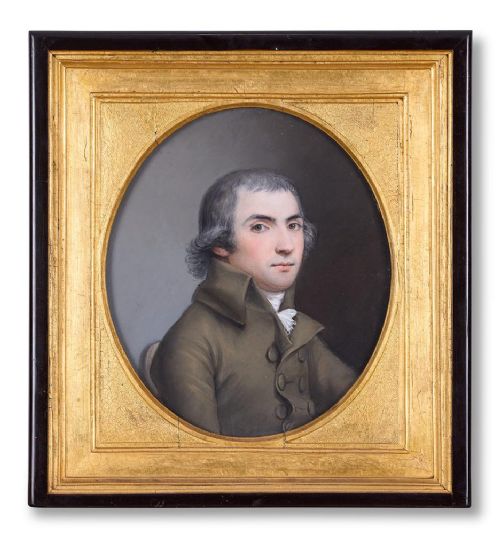
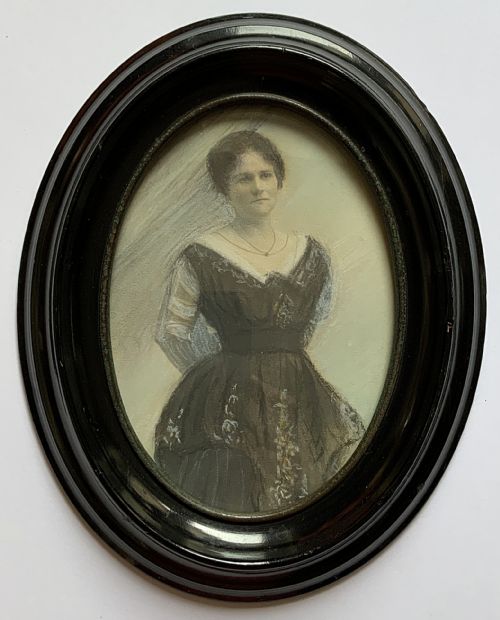
Watercolour and pastel pigments frequently augmented these linear foundations, introducing subtle colour and softer shading to cheeks and drapery. Finished works were secured behind glass within wooden or brass frames to protect the vulnerable paper surfaces from atmospheric damage.
Antique Miniature Drawings Retail Price Guide 2026
Typical asking prices for miniature drawings among the pieces listed under this phrase on Sellingantiques today, from the lower quarter to the upper quarter. They describe what is for sale here now, not the wider market.
A mother and child dancing managed to hold still long enough on paper during the Regency period to become a cherished pair.
Assessing quality and execution
Quality rests heavily on the deftness of the hand and the precision of the draughtsmanship. Superior examples demonstrate exceptional control over fine lines and subtle gradations of tone, capturing expression and character within a tiny compass.
The preservation of the paper support and the originality of the associated frame also influence the standing of a piece. Works retaining their early mounts and untouched glazed settings carry stronger visual integrity.
John Taylor·James Ferguson·George Atkinson·Ozias Humphry·Nathaniel Bermingham·Richard Cosway·Henry Edridge·Alexander Melville
The Antique Miniature Drawings Glossary
- Plumbago
- An early term for graphite, used to describe highly detailed monochrome drawings made in this medium during the eighteenth century.
- Portrait miniature
- A small-scale painting or drawing depicting a specific individual, executed with intense concentration of detail.
- Silhouettes
- Profile portraits filled in with a solid dark colour or cut from paper, often highlighted with gold paint.
- Watercolour
- A paint consisting of pigment suspended in a water-based solution, applied in translucent washes over pencil sketches.
- Pastel
- A powdered pigment mixed with a binder and pressed into sticks, used to create soft-textured coloured drawings on paper.
Antique Miniature Drawings: Frequently Asked Questions
How were antique miniature drawings displayed?
These small works were typically framed in wood or brass and hung in intimate spaces like boudoirs or private studies. Their modest scale allowed owners to group several related portraits together on a single wall.
Many pieces also survived inside protective travel cases or hinged double frames designed to fold shut like books. This portability meant owners could carry likenesses of family members during journeys.
What is the difference between plumbago and pencil?
Plumbago refers specifically to an early form of native graphite used predominantly in the eighteenth century for highly finished monochrome portraits. The material creates a distinctive metallic grey sheen with remarkable precision.
Standard pencil work encompasses a broader range of graphite grades and sketching styles that evolved into the nineteenth century. Plumbago drawings generally command attention for their specific historical technique and crisp clarity.
How do I care for antique works on paper?
Paper drawings require protection from direct sunlight to prevent the fading of watercolour pigments and the yellowing of the support. Keeping pieces in stable environmental conditions avoids moisture damage and foxing.
Original frames and glazing should be preserved where possible to maintain the historical context of the piece. Professional framing using conservation materials helps ensure the longevity of vulnerable nineteenth-century paper.
Can I date a drawing by its frame?
Frames provide strong chronological clues, particularly when they retain original brass bezels, convex glass or period wooden mouldings. Georgian frames often feature simple profile shapes, while Regency and Victorian examples introduce more ornate brass work.
However, frames were frequently updated or replaced over the centuries to suit changing interior fashions. Examining the backing paper and fixings alongside the frame style yields a more accurate date.