




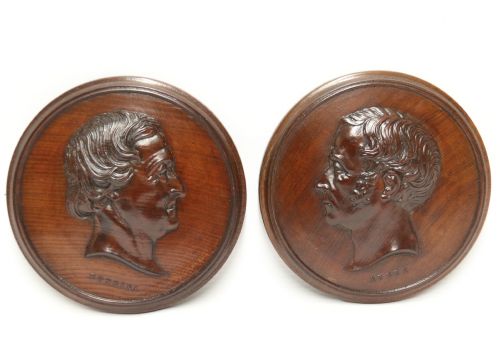

Antique Profile Medallion
These antique profile medallion pieces capture likenesses in relief across bronze, plaster and gold, offering tactile history for collectors.
Antique Profile Medallion
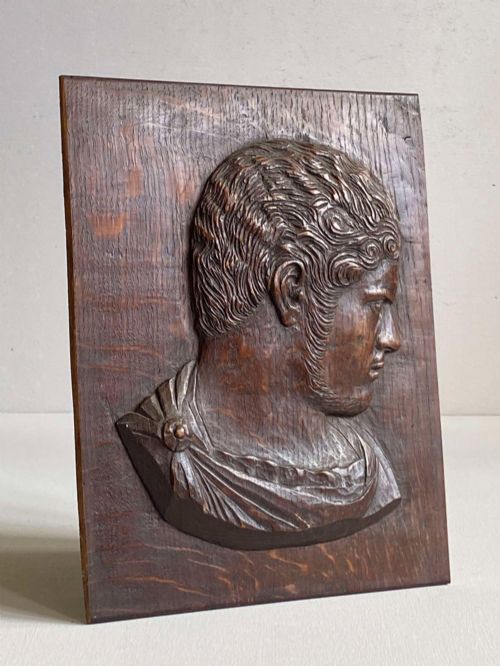
An antique profile medallion captures a likeness in profile, appearing on wall plaques, framed art, pendants and charms. The pieces span periods from the seventeenth century through to the twentieth century, encompassing Victorian, Art Nouveau, Neoclassical and Grand Tour styles.
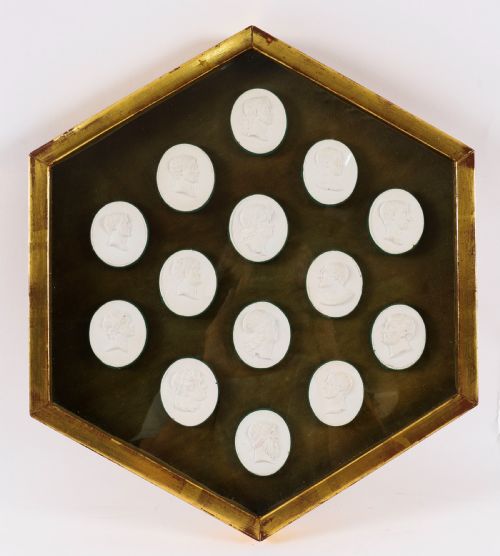
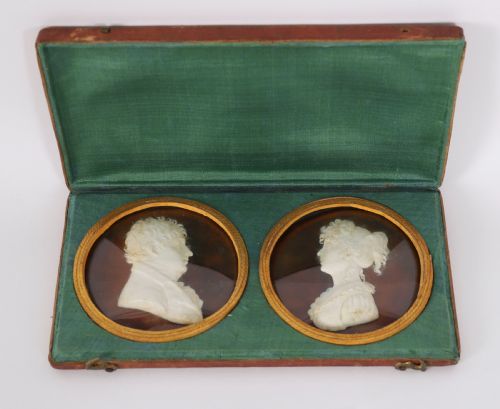
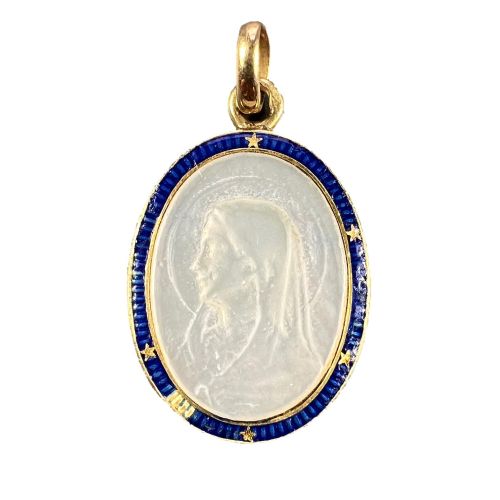
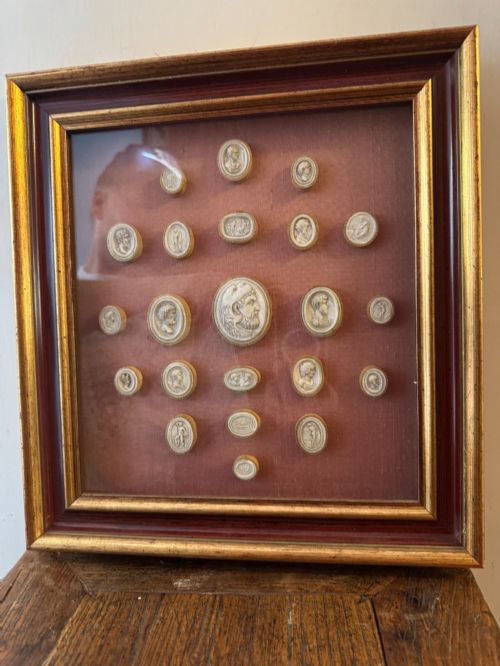
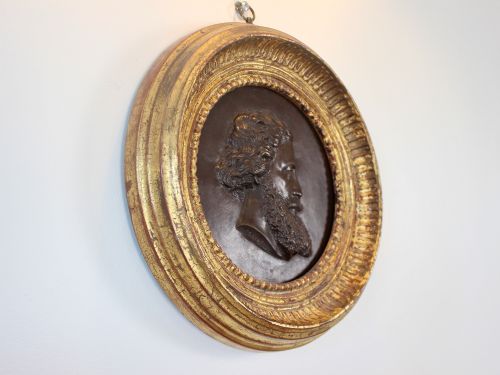
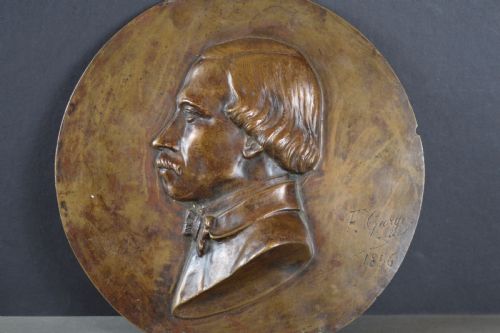
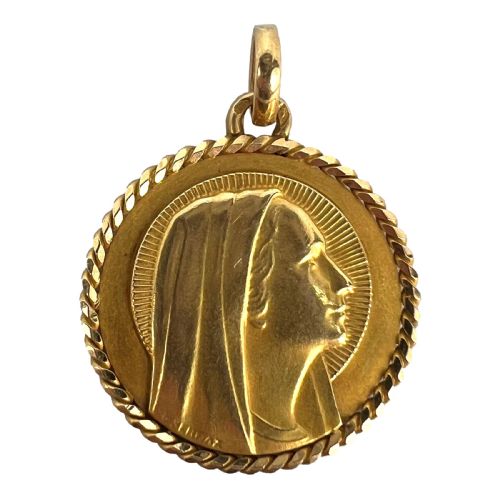
Collectors encounter various formats on this page, including cast bronze and iron wall plaques, carved marble and gypsum intaglio panels, framed wax reliefs, and eighteen-carat yellow gold religious pendants. Materials range from glass and brass to velvet, giltwood and mahogany.
Origins stretch across Britain, France, Italy and Sweden, reflecting diverse local traditions in portraiture. Whether mounted in turned mahogany frames or worn as jewellery, each object centres on a human profile.
Materials and construction methods
Metals form a significant portion of the selection, utilising bronze, brass, cast iron, lead and eighteen-carat yellow gold. Bronze and iron plaques are cast, whilst gold pendants and charms incorporate enamel, mother-of-pearl, pearls and diamonds.
Miners and modellers employed gypsum, plaster, wax and marble to render intaglios and bas-relief profiles. Carved mahogany, giltwood and turned wood provide frames and panels, frequently paired with glass fronts to protect the delicate relief work.
Antique Profile Medallion Retail Price Guide 2026
Typical asking prices for profile medallion among the pieces listed under this phrase on Sellingantiques today, from the lower quarter to the upper quarter. They describe what is for sale here now, not the wider market.
Several profile plaques immortalise historical figures like Shakespeare, Rubens and Charles Dickens in cast iron and bronze.
Assessing quality in profile medallions
The choice of housing influences overall merit, as original turned mahogany frames, fitted giltwood mounts and authentic gold settings distinguish superior pieces from later replacements.
Mainfroy·Pietro Bracci·Thorvalsen Workshop·J Lavergne
The Antique Profile Medallion Glossary
- Intaglio
- An engraved gem or gemstone where the design is incised below the surface. This technique allows the piece to be used as a seal.
- Cameo
- A method of carving an object such as a carved stone, raised above the background. It frequently highlights a profile portrait.
- Grand Tour
- A cultural tour of Europe formerly undertaken by wealthy young men. Souvenirs from these journeys included plaster intaglios and marble relief panels.
- Bas-relief
- A sculpture technique where the figures project only slightly from the background plane. It is common in bronze and marble portrait plaques.
- Roundel
- A circular panel or artwork used for decorative wall display. They appear here cast in lead bronze or framed in wood.
Antique Profile Medallion: Frequently Asked Questions
How were Grand Tour medallions used?
Grand Tour medallions served as souvenirs for travellers documenting classical art and architecture abroad. Collectors stored them in specialised boxes or framed them as sets for display.
These pieces typically depict Roman emperors, classical figures or mythological profiles.
What metals are used in these pendants?
Pendants and charms predominantly utilise eighteen-carat yellow gold, frequently paired with mother-of-pearl, enamel or gemstones. Silver also appears in Art Nouveau designs.
Religious medals from France often incorporate these precious metals to frame portrait profiles of the Virgin Mary.
How do I date a bronze plaque?
Dating relies upon stylistic markers such as Neoclassical, Victorian or Art Nouveau aesthetic conventions. Signatures, foundry marks and historical subjects also provide clues to the period.
Wear patterns and the construction of the mounting help confirm the age of the metalwork.