



Antique Preserve Spoons
Antique preserve spoons bring proper theatre to the breakfast table, pairing gleaming silver with bright cranberry glass and fitted jars.
Antique Preserve Spoons
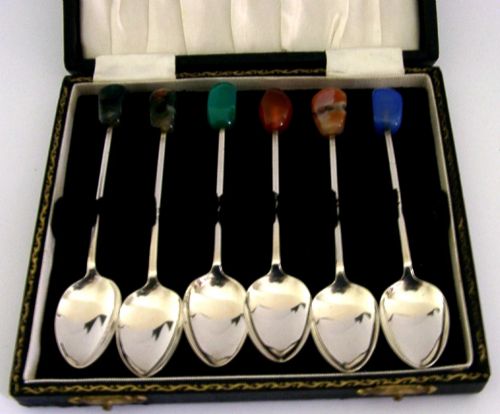
Antique preserve spoons span the Victorian, Edwardian and early twentieth-century periods, taking the form of dedicated jam spoons, pickle forks and berry spoons. You will regularly encounter silver plated and solid sterling silver versions alongside complete sets featuring cut glass or cranberry glass bowls.
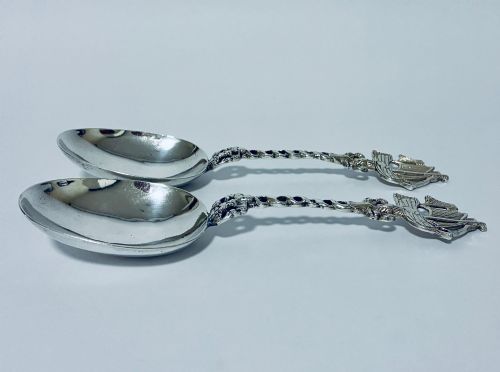
The selection ranges from plain utility flatware to elaborate naturalistic leaf designs and figural Ottoman pieces. Makers applied distinct styles including Art Nouveau curves, Arts and Crafts hand-wrought details and Dutch regional neo-renaissance motifs.
How they were made
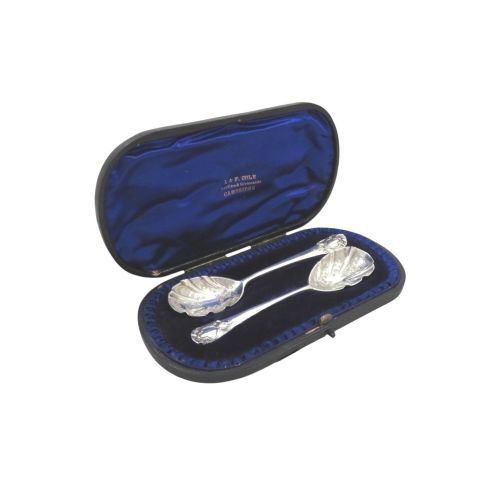
Silversmiths utilised solid sterling silver and silver plate, often shaping bowls into scallop shells or piercing the metalwork for decorative effect. Many items combine metal with blown glass liners, velvet, or leatherette fitted cases.
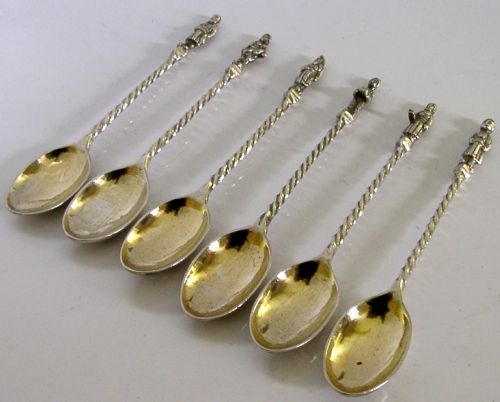
Specialist techniques involved gilding the silver interior of bowls, known as silver gilt, and fashioning detailed naturalistic leaf handles or figural terminals by hand.
Antique Preserve Spoons Retail Price Guide 2026
Typical asking prices for preserve spoons among the pieces listed under this phrase on Sellingantiques today, from the lower quarter to the upper quarter. They describe what is for sale here now, not the wider market.
The documented periods stretch from early Victorian production through the Arts and Crafts movement up to the nineteen-twenties.
What varies in quality
Quality rests in the weight of the silver, the crispness of the chasing or pattern work, and whether glass elements remain original and undamaged. Substantial gauge metal and clear hallmarks elevate a piece above standard plated wares.
Design ambition separates basic utensils from exceptional examples, seen in sculptural naturalistic forms, finely executed engraving, and complete matching presentation sets with original velvet-lined boxes.
Amy Sandheim·Sebastian Crespell·Whiting Co.
The Antique Preserve Spoons Glossary
- Silver Gilt
- Solid silver that has been coated with a thin layer of gold on the surface. This technique protected the metal from the acidic nature of jams and preserves.
- Cranberry Glass
- A rich pinkish-red glass created by adding gold chloride to the molten glass batch. It forms a striking visual contrast against polished silver spoons.
- Hallmark
- An official stamp applied to precious metals indicating the standard of purity, the assay office, and the year of manufacture. These marks help date the silverware accurately.
- Naturalistic Leaf
- A decorative style mimicking organic foliage and veins. Makers used this motif heavily during the Victorian era for spoons and dishes.
Antique Preserve Spoons: Frequently Asked Questions
What is an antique preserve spoon used for?
These spoons were designed specifically for serving fruit jams, jellies and preserves from a central pot or bowl to individual plates.
Their shorter handles and often widened or shell-shaped bowls made them practical for scooping thick preserves without splashing.
How do I clean antique silver preserve spoons?
Use a soft microfiber cloth and a mild, non-abrasive silver cleaner formulated specifically for antique silver.
Avoid harsh scrubbing or soaking items that combine silver with glass liners, leatherette, or velvet fitted stands.
How can I tell Victorian spoons from Edwardian ones?
Victorian pieces often feature heavy, ornate ornamentation, naturalistic leaf motifs, and rich cranberry glass pairings.
Edwardian designs frequently lean towards lighter, airier styles such as Art Nouveau curves and simplified geometric patterns.
Are cranberry glass bowls original to the spoons?
Many survive as matched sets where the pierced silver spoon sits neatly over or inside the bespoke glass bowl.
Examining the fit and the period characteristics helps confirm whether the glass and spoon belong together from their original production.