




Antique Presentation Spoons
Antique presentation spoons are ceremonial or gift pieces resting in velvet or satin cases, prized for marking milestones.
Antique Presentation Spoons
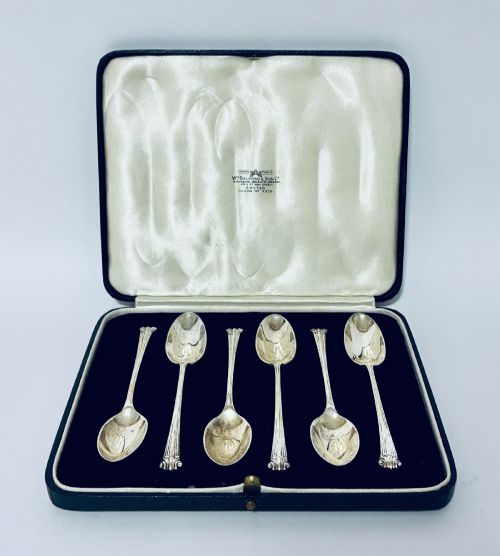
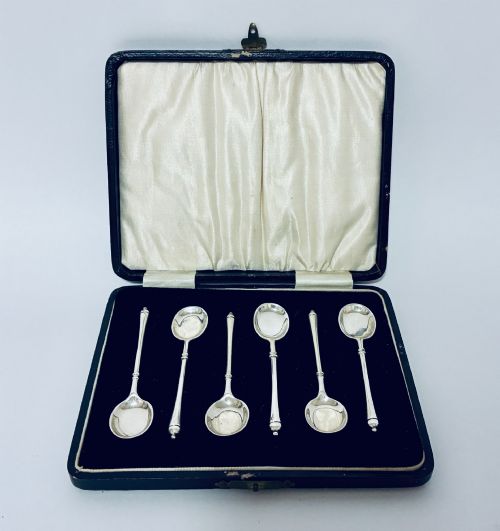
When you search for antique presentation spoons, you are looking at items designed for gifting, often found nestled in fitted velvet or leather cases. The pieces on this page span the Victorian, Edwardian, and Art Deco eras, alongside occasional Georgian and Dutch Continental examples.
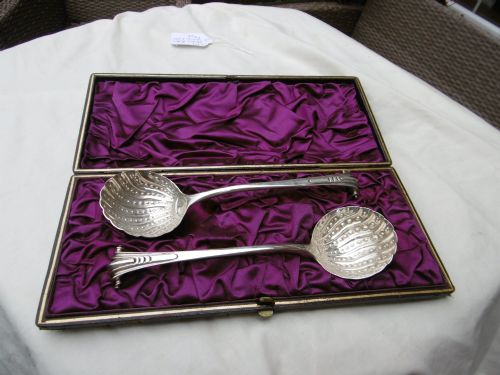
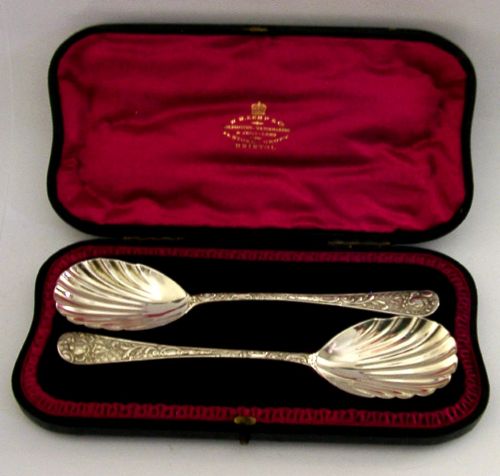
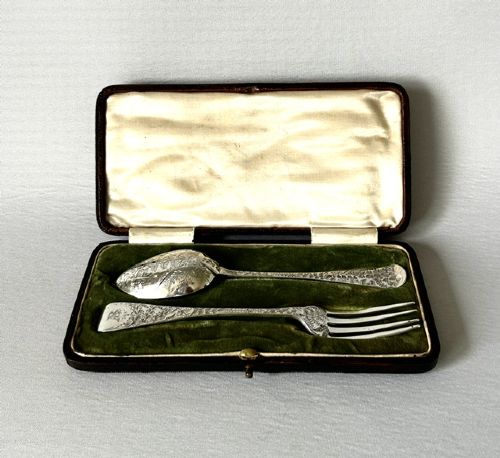
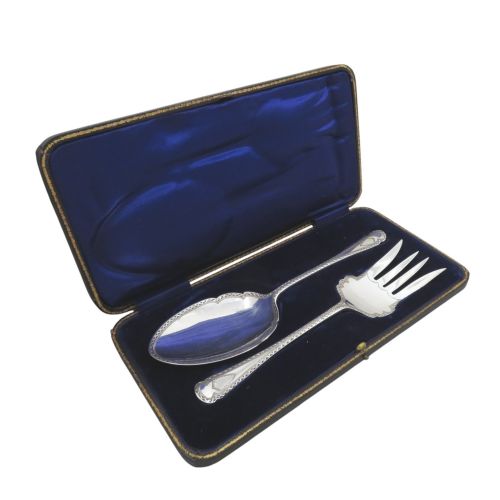
Most examples appear as cased sets rather than single items, including christening sets, sugar bowls with sifter spoons, and serving spoon pairs. You will frequently encounter sterling silver and silver gilt construction, sometimes accompanied by fitted silk or leatherette boxes.
The forms range from single presentation spoons with figural handles to complete sets of coffee spoons, butter knives, and fruit serving spoons. These items served to mark significant occasions, resulting in durable cases that protect the metalwork from wear.
Materials and construction
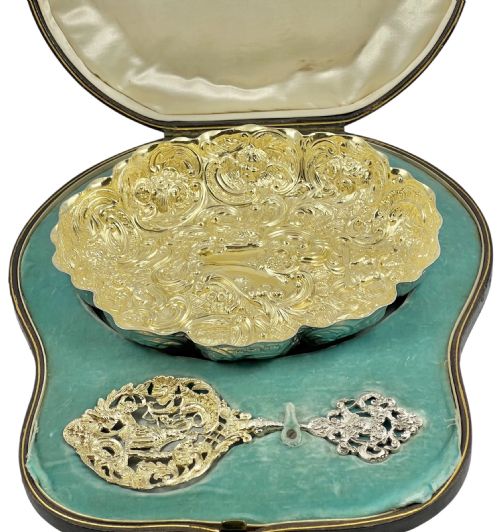
Silversmiths utilised sterling silver and silver gilt as the primary metals for these spoons, applying gilding to bowl interiors for decorative contrast. Cases were constructed from wood covered in leather, leatherette, or tortoiseshell, then lined with velvet, satin, or silk.
Handles often feature detailed chasing, engraving, or cast motifs such as stags, reflecting the aesthetic preferences of the Victorian and Edwardian periods. Boxes were meticulously fitted to the contours of the spoons, salts, or forks they held to secure them during transport.
Antique Presentation Spoons Retail Price Guide 2026
Typical asking prices for presentation spoons among the pieces listed under this phrase on Sellingantiques today, from the lower quarter to the upper quarter. They describe what is for sale here now, not the wider market.
Assessing quality and execution
Quality in these items depends upon the crispness of the chasing on the silver and the structural integrity of the presentation case. Superior pieces retain intact silk linings and hinges that operate smoothly without straining the box framework.
The weight of the sterling silver and the depth of the silver gilt application distinguish standard items from finer commissions. Complete sets with matching maker marks across every spoon and auxiliary piece carry greater consistency than assembled collections.
Robert Stebbings·JOHN ROUND
The Antique Presentation Spoons Glossary
- Silver gilt
- Silver that has been coated with a thin layer of gold on its surface. This technique provides a rich two-tone appearance inside bowls or across detailed decorative handles.
- Chasing
- A metalworking technique where the smith pushes metal from the front using punches to create raised designs. It adds tactile depth to handles and spoon bowls.
- Presentation case
- A fitted box lined with velvet, satin, or silk designed to house specific silver pieces. These cases protected the contents from tarnish and damage.
- Sifter spoon
- A spoon with a perforated bowl used for dusting sugar over food or desserts. They frequently appear paired with open salts or sugar bowls.
- Christening set
- A collection of silver items, often including a spoon and fork, given to celebrate a birth or baptism. They are typically presented in dedicated lined boxes.
Antique Presentation Spoons: Frequently Asked Questions
What are antique presentation spoons?
These are special silver spoons created to mark milestones or events, usually housed in fitted velvet or silk-lined boxes.
They include serving spoons, christening sets, and sifter spoons from the Victorian and Edwardian periods.
How were presentation spoons used?
They functioned as ceremonial gifts for christenings, weddings, or formal dining rather than everyday tableware.
Many remained stored inside their original cases to preserve the delicate silver gilt and velvet linings.
How do I care for cased silver?
Keep the pieces inside their original cases away from direct sunlight and damp environments to protect the lining materials.
Clean the silver sparingly with appropriate cloths to avoid wearing down the chased details or silver gilt.
How do I date these spoons?
Look for hallmarks stamped on the silver, which indicate the assay office and year of manufacture.
The style of the case and the typography on the inner silk lid also provide clues to the Victorian or Edwardian era.