




Antique Prattware Pottery
Antique prattware pottery brings the vibrant multicoloured character of early English ceramics directly to your table, offering bright lead-glazed surfaces that collectors prize.
Antique Prattware Pottery
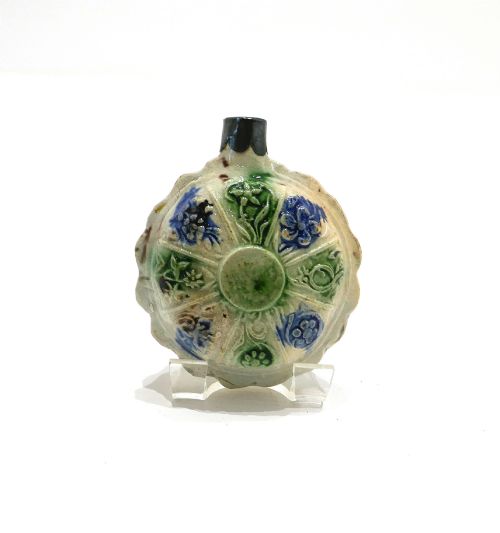
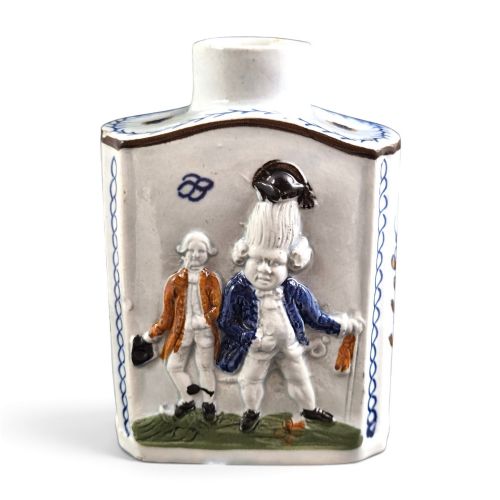
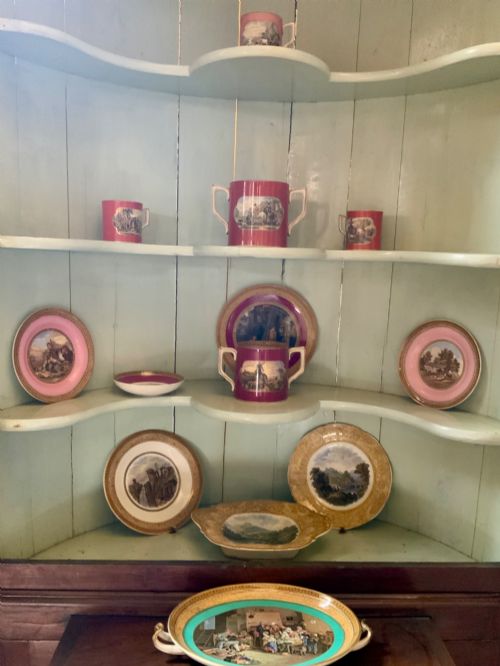
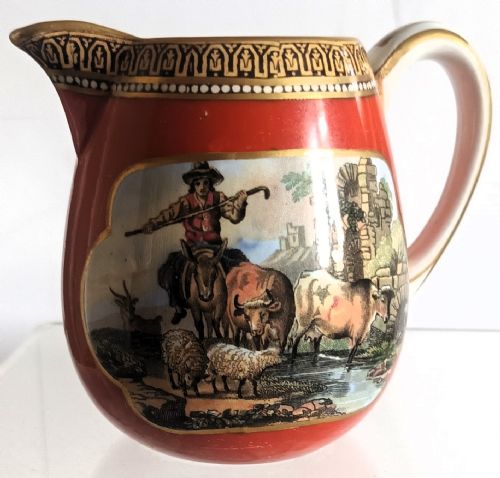
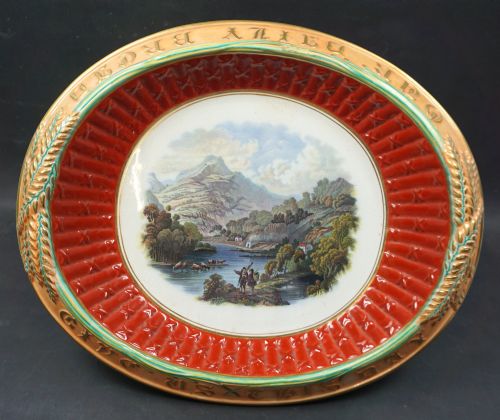
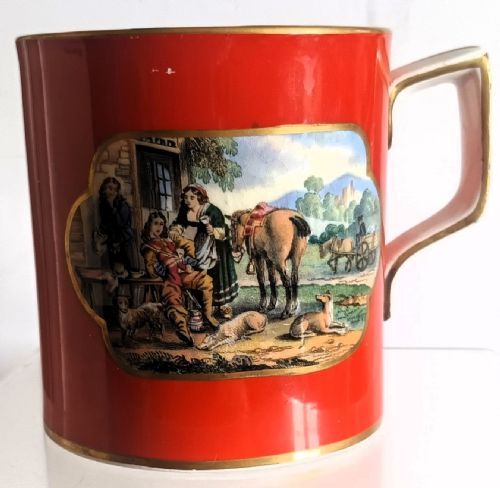
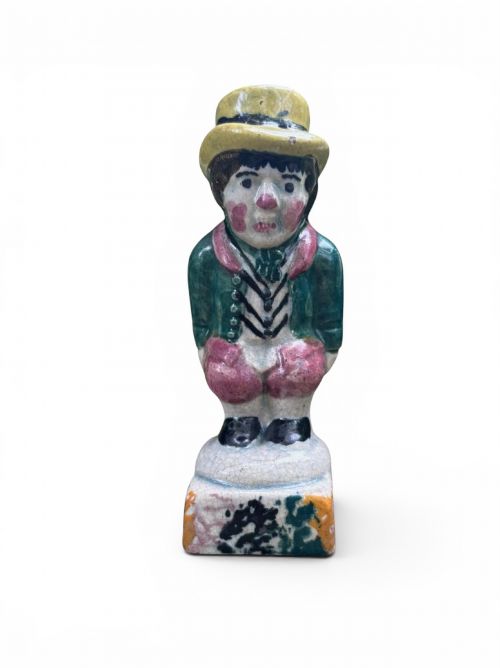
When you search for antique prattware pottery, you encounter a distinct category of earthenware vessels and figures produced primarily during the Georgian, Regency, and Victorian eras. These items encompass utilitarian forms like jugs, mugs, plates, and tea caddies alongside more decorative figures and plaques.
The objects on this page span from the late eighteenth century through the mid nineteenth century, reflecting the output of Staffordshire potteries and beyond. You will frequently find pieces decorated with moulded reliefs and characteristic underglaze colours that define the style.
How antique prattware pottery was made
Potters built these pieces using earthenware and pearlware bodies, shaping them through moulding and throwing techniques. Cabbage leaf moulding and raised figural details frequently appear across the evidence.
Makers applied specific mineral oxides under a clear glaze to achieve the characteristic blue, green, ochre, and brown palette before firing. Some examples also incorporate enamel colours and gilt or gold leaf highlights.
Antique Prattware Pottery Retail Price Guide 2026
Typical asking prices for prattware pottery among the pieces listed under this phrase on Sellingantiques today, from the lower quarter to the upper quarter. They describe what is for sale here now, not the wider market.
Early Staffordshire potters hid ceramic frogs inside drinking mugs to leap out at drinkers.
What varies in quality in antique prattware pottery
The clarity and registration of the moulded relief work distinguish finer items from simpler production pieces. Sharp details on figures, animals, and architectural elements show greater skill by the modeller.
The crispness of the underglaze colour application also marks the hierarchy of quality. Controlled brushwork that stays within the moulded borders creates a far more resolved appearance than rushed pigment transfer.
Enoch Wood And Sons
The Antique Prattware Pottery Glossary
- Pearlware
- A refined earthenware body developed in the late eighteenth century featuring a subtle bluish glaze that pooled in recesses. It provided a whiter surface than standard creamware.
- Earthenware
- A porous pottery body fired at lower temperatures, requiring a vitreous glaze to hold liquids. It forms the structural base for the majority of these wares.
- Underglaze
- Pigments applied to the pottery body before the application of the transparent glaze and the final kiln firing. This technique protects the painted decoration from wear.
- Enamel
- Opaque glass-fired colours applied over the primary glaze for subsequent low-temperature firing. It allowed potters to add brighter reds and yellows not achievable underglaze.
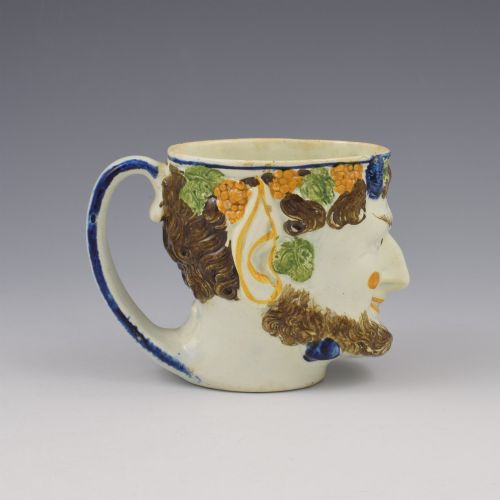
- Bacchus
- A classical deity associated with wine, frequently depicted on figural jugs and satyr mugs from the Georgian period. These vessels often served utilitarian functions in taverns and homes.
Antique Prattware Pottery: Frequently Asked Questions
What is prattware pottery?
Antique prattware pottery refers to English earthenware and pearlware decorated with specific underglaze mineral colours, typically cobalt blue, ochre, yellow, and brown.
These pieces were produced in Staffordshire and other regions during the late eighteenth and nineteenth centuries, taking the form of jugs, plaques, figures, and tableware.
How do I date antique prattware?
Dating relies on stylistic markers, clay bodies, and manufacturing techniques, shifting from late eighteenth-century pearlware bodies to mid nineteenth-century Victorian forms.
Changes in glaze formulation, such as the shift from bluish pearlware to later earthenware, help establish the period of production alongside any stamped dates or named subjects.
How were frog mugs used?
Frog mugs were drinking vessels featuring a small ceramic frog moulded inside the base, designed to surprise the drinker as the liquid lowered.
These novelty items were popular in taverns during the Georgian and Regency periods to test the sobriety of guests or play practical jokes.