



Antique Powder Mirror Case
These antique powder mirror case pieces are portable vanity items from the early twentieth century, prized for their intricate enamel work and precious metals.
Antique Powder Mirror Case
When you search for an antique powder mirror case, you are looking at small personal accessories designed for face powder and touch-ups during the early twentieth century. The selection ranges from simple metal cases to elaborate sterling silver and gold vanity items.
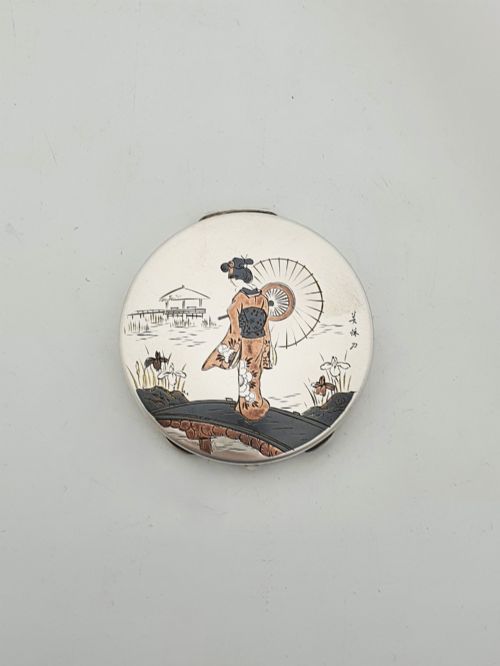
You are most likely to meet pieces from the Art Deco period, alongside Persian, Chinese export silver, and mid-century Italian designs. These items frequently combine mirrors with compartments for powder, rouge, or lipstick.
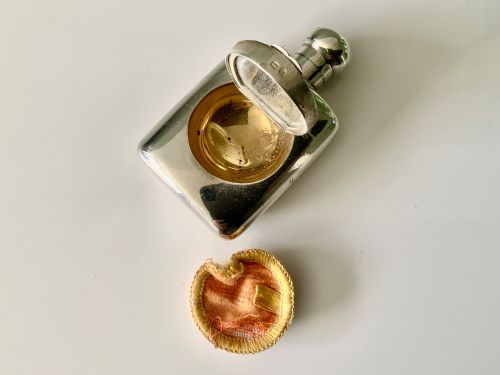
The forms span powder compacts, vanity cases, and combination pieces fitted with mesh or suede linings. They reflect the shifting social habits of women who began carrying cosmetics in public during the 1920s and 1930s.
How they were made
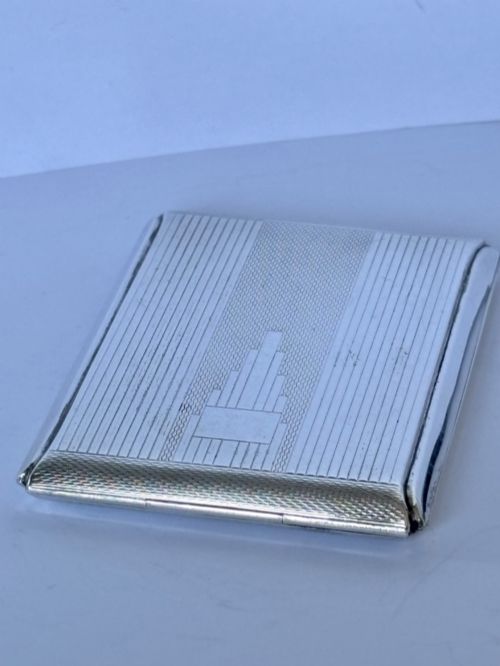
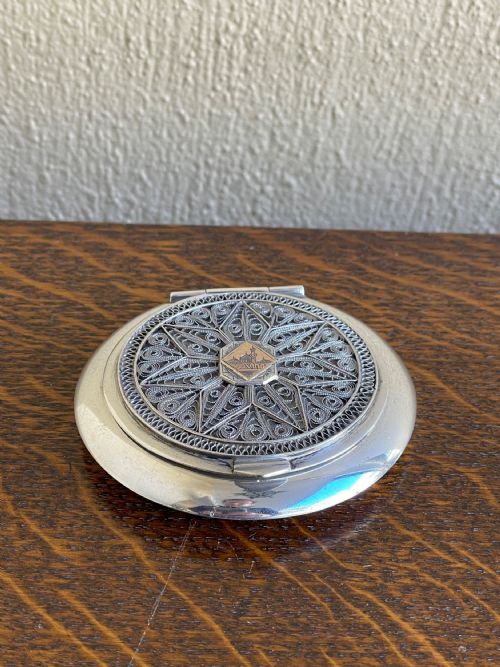
Silversmiths and manufacturers utilised sterling silver, solid gold, gilt metal, brass, and chrome as the primary structural foundations for these accessories. Many surfaces feature engine turning, cast patterns, or delicate filigree work soldered to the metal body.
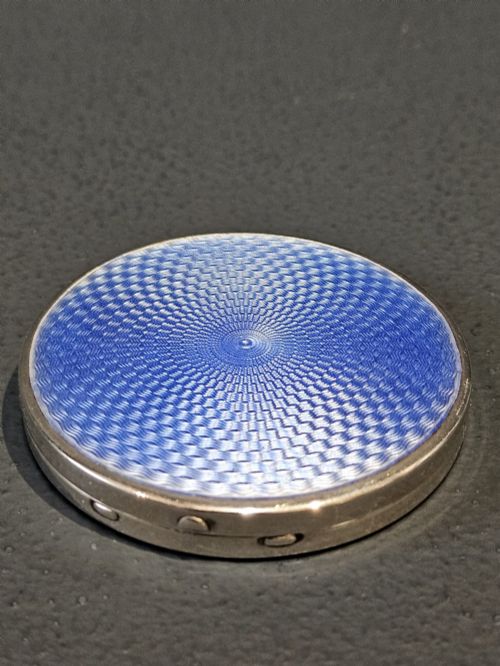
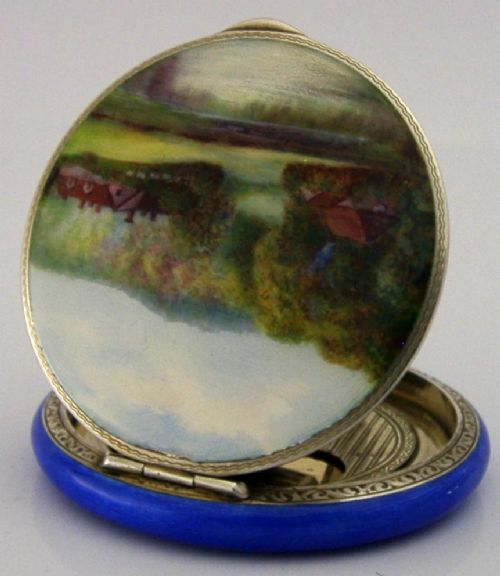
Enamel decoration, particularly guilloché work with translucent layers over machined metal, defines the visual style of the period. Artisans also applied hand-painted miniature scenes and set precious stones like rubies and diamonds into luxury examples.
Antique Powder Mirror Case Retail Price Guide 2026
Typical asking prices for powder mirror case among the pieces listed under this phrase on Sellingantiques today, from the lower quarter to the upper quarter. They describe what is for sale here now, not the wider market.
Some Art Deco cases were engineered with two distinct mirrored faces, ensuring a quick glance was successful from any angle.
What varies in quality
The distinction between standard commercial pieces and top-tier examples lies in the complexity of the materials and the reputation of the maker. Signed pieces by established firms command attention through superior metal weight and precise engineering of the hinges and catches.
Surface decoration dictates the upper tier of the range, where hand-painted details and multi-coloured enamel remain intact without chipping. Lesser items rely on simple stamped brass or minimal plating that lacks the depth of solid silver or gold.
Henry Matthews·Giuliano Spinelli Florence·Cartier·Richard Hudnut·Houbigant
The Antique Powder Mirror Case Glossary
- Guilloché enamel
- A decorative technique where a precise mechanical pattern is engraved into metal and covered with translucent enamel. This method allows the underlying geometric design to show through the coloured glass layer.
- Engine turned
- A surface decoration applied to metal using a lathe to cut intricate, precise geometric patterns. It provides both texture and visual depth to the compact body.
- Filigree
- Delicate openwork jewellery technique formed from fine twisted metal threads soldered together. It appears frequently on Persian and Chinese export pieces.
- Silver-gilt
- Silver that has been coated with a thin layer of gold on the surface. This finish offers the rich appearance of solid gold while maintaining a silver base.
- Vanity case
- A larger compact housing multiple compartments for powder, mirror, coins, or lipstick. These pieces served as self-contained evening bags for social occasions.
Antique Powder Mirror Case: Frequently Asked Questions
What is an antique powder mirror case?
It is a portable cosmetic container featuring an internal mirror and a compartment for loose or pressed powder. These items were essential accessories for women during the early twentieth century.
They evolved from simple pocket mirrors into elaborate metal and enamel cases. Collectors value them as portable examples of period decorative arts.
How were they used?
Owners carried them in handbags or evening cases for discreet touch-ups of face powder in public spaces. Many included compartments for rouge, lipstick, or coins alongside the mirror.
Their use marked a shift in social etiquette regarding makeup during the 1920s and 1930s. They served both a practical cosmetic function and a status symbol.
How do I date a compact?
Dating relies on assay office hallmarks, maker marks, and stylistic indicators such as Art Deco geometry or mid-century Italian forms. Materials like chrome and specific types of synthetic enamel also point to distinct decades.
Written inscriptions and patent dates stamped inside the case provide further chronological clues. Comparing the latch mechanism and hinge style helps narrow the period.
How should I display them?
These pieces look best displayed in shallow glass cabinets or on mirrored vanity trays where their decorative lids are visible. Keeping them out of direct sunlight protects delicate enamels from fading.
Handling them with clean hands prevents body oils from tarnishing exposed silver and gilt surfaces. Many collectors store them open or resting on soft fabric pads.