




Antique Pottery Set
An antique pottery set brings centuries of skilled ceramic work into daily use, offering matching plates, teapots or wash vessels shaped by diverse global traditions.
Antique Pottery Set
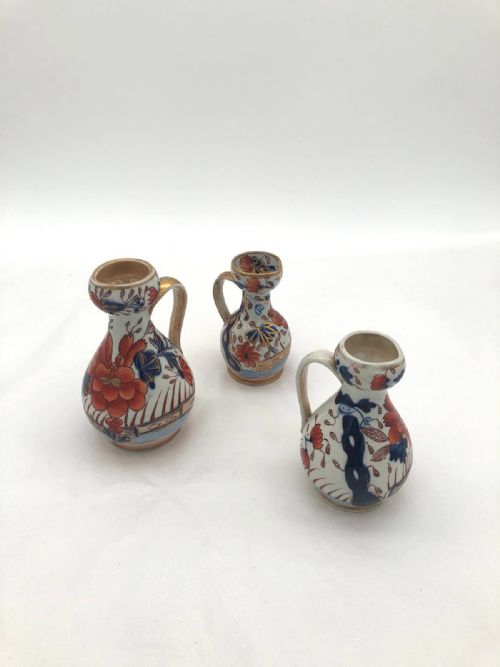
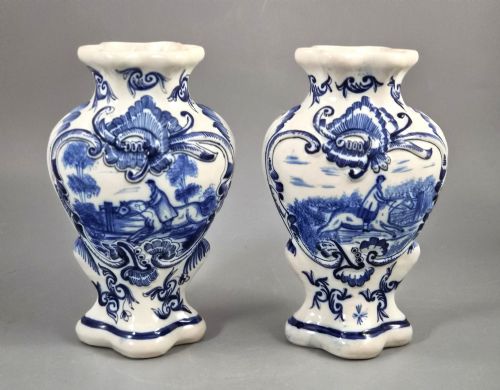
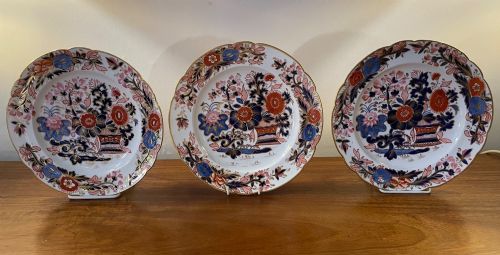
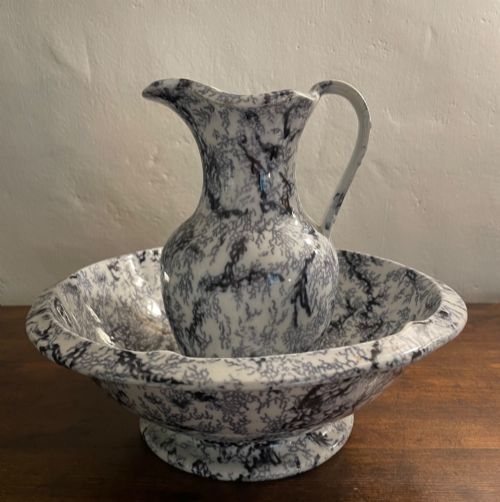
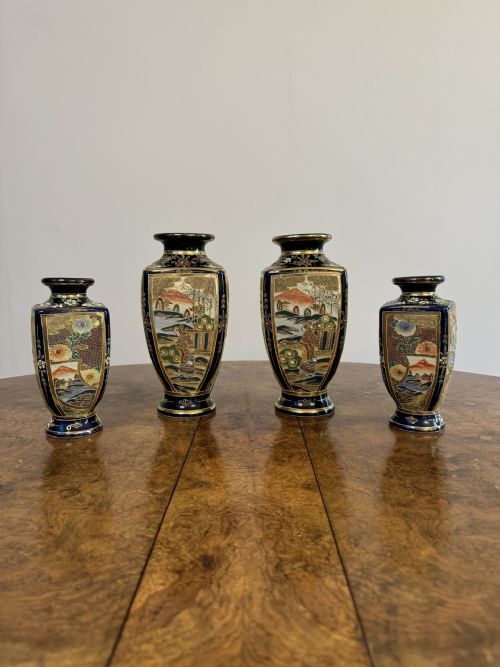
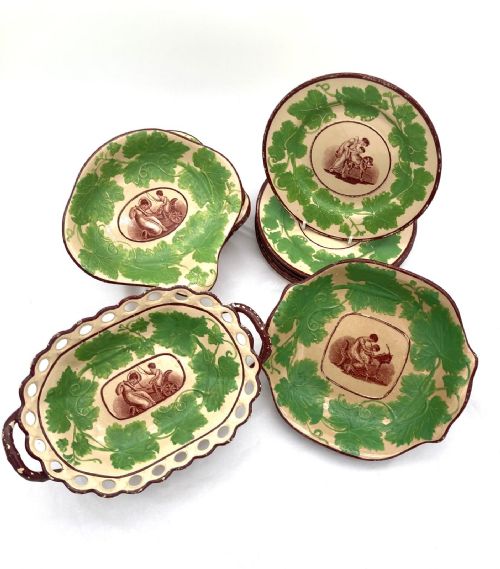
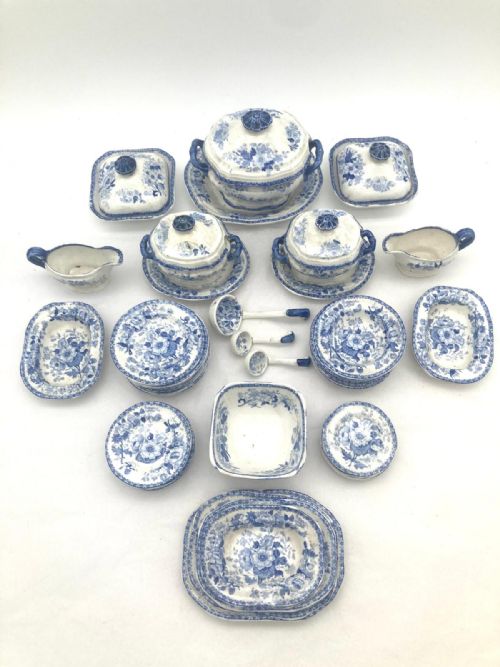
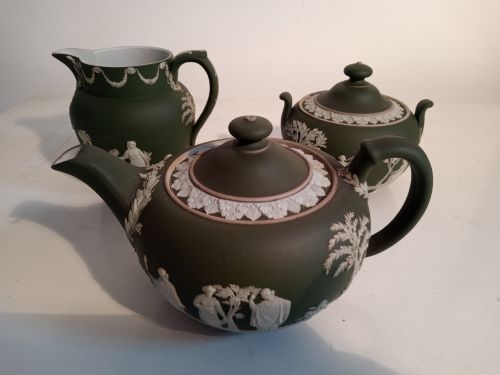
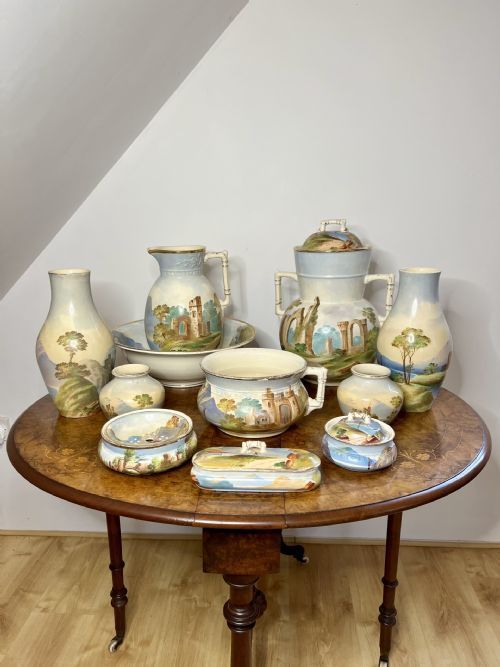
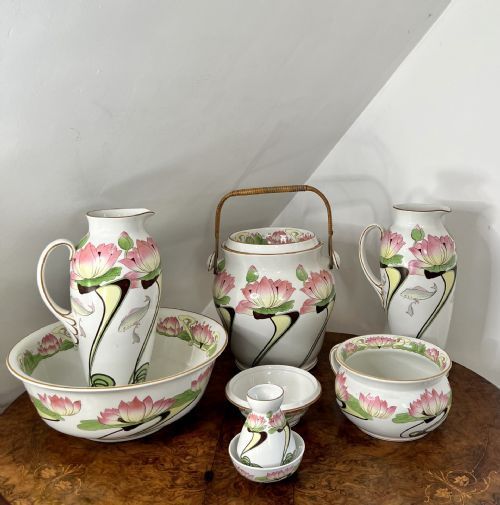
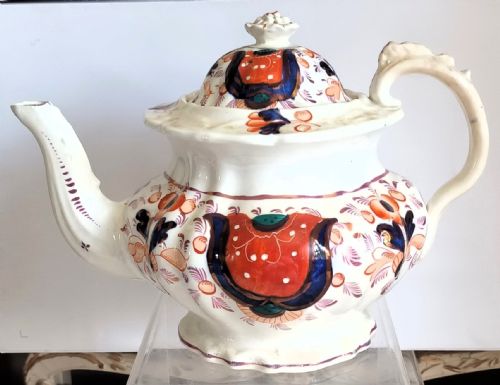
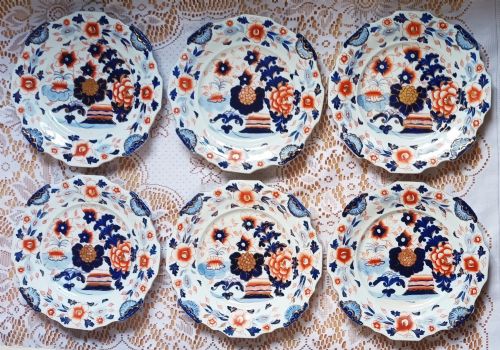
An antique pottery set covers coordinated groups of ceramic items designed for the table, the washstand or display, spanning the Georgian, Victorian, Edwardian, and Art Deco eras. Buyers searching for an antique pottery set encounter everything from functional tea and dinner services to decorative garnitures of vases and wash sets.
The pieces originate from English potteries, European factories, and Japanese workshops, reflecting styles from Dutch Delft and Imari palettes to Art Nouveau and Arts and Crafts designs.
Materials and methods
Potters shaped these wares from earthenware, ironstone, stoneware, and porcelain, applying glazes and enamel to seal the ceramic body. Many items feature transfer-printed patterns or hand-painted details enhanced with gold leaf.
Makers utilised specialised techniques such as flow blue transfer printing and applied figures, firing the clay bodies at high temperatures to achieve durable domestic wares and decorative objects.
Antique Pottery Set Retail Price Guide 2026
Typical asking prices for pottery set among the pieces listed under this phrase on Sellingantiques today, from the lower quarter to the upper quarter. They describe what is for sale here now, not the wider market.
Listings feature items from the Georgian period through the 1930s, utilising earthenware, ironstone, stoneware, and porcelain across table and wash sets.
Distinguishing quality
Quality rests on the crispness of the hand-painting or transfer printing, the purity of the ceramic body, and the balance of the form across matching pieces. Sets that retain their original complement without replacements demonstrate superior survival.
Artisanal execution by named makers and distinctive glazing effects separate standard utilitarian production from exceptional studio and factory output.
Mason's Ironstone·Wedgwood·Minton·Doulton Lambeth·Clarice Cliff·William Moorcroft
The Antique Pottery Set Glossary
- Ironstone
- A heavy, durable type of ceramic patented in the 19th century to imitate porcelain while offering greater strength for daily tableware.
- Flow blue
- A 19th-century transfer-printing technique where cobalt blue bled slightly into the glaze during firing, creating a misty, soft-edged effect.
- Garniture
- A set of matching vases or decorative vessels designed to be displayed together on a mantelpiece or sideboard.
- Faience
- European tin-glazed earthenware, often decorated with hand-painted blue and white motifs.
- Imari
- A style of Japanese porcelain decorated in underglaze blue and overglaze iron red, gold, and other colours.
Antique Pottery Set: Frequently Asked Questions
How do I care for antique pottery?
Wash ceramic items gently by hand in warm water using mild soap, avoiding dishwashers and harsh abrasive sponges.
Keep delicate pieces away from sudden temperature changes to protect the old glaze and any hand-applied gold leaf.
Can I use an antique tea set?
Many tea services remain structurally sound for occasional use, though older glazes can be sensitive to staining from modern heavily pigmented teas.
Inspect each piece for hairline cracks before pouring hot liquids into antique vessels.
What is a wash set used for?
Wash sets comprise a large basin and jug originally placed on a washstand for bedroom hygiene before modern indoor plumbing.
Today, collectors use these matching pieces as decorative floor displays or planters.
How do I identify the period of a ceramic set?
Examine the base for maker's marks, pattern names, and registration numbers that correspond to factory production dates.
Stylistic indicators like floral sheet patterns, transfer-printing styles, and clay composition also point to specific decades.