



Antique Pottery Putti
Antique pottery putti bring winged infants and cherubic figures into interior spaces through earthenware and porcelain forms.
Antique Pottery Putti
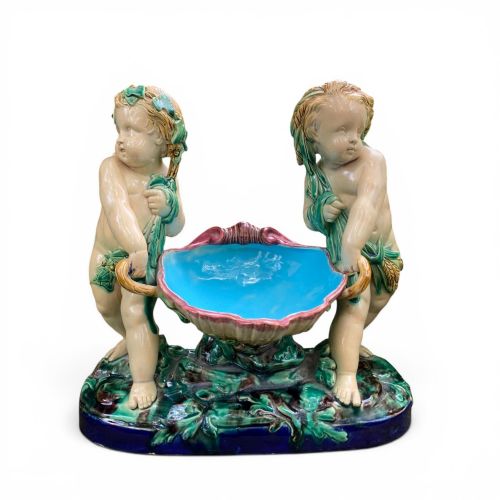
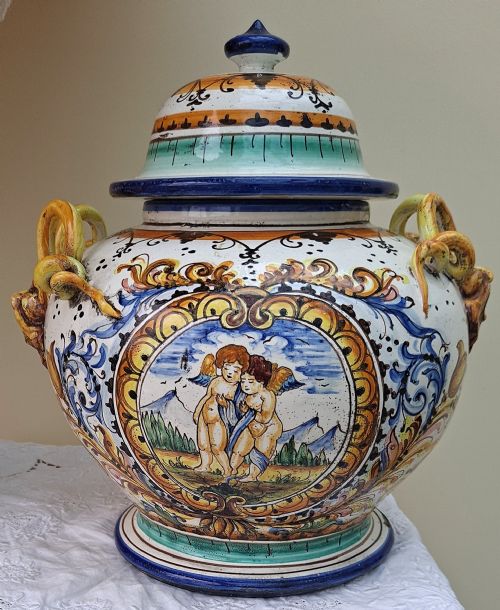
Antique pottery putti appear across various decorative objects including vases, cache pots, wall brackets, and figurines. These sculptural elements draw upon Renaissance revival, Victorian majolica, and Art Nouveau aesthetics to depict classical child figures.
Most examples found in these listings date from the nineteenth century, ranging from mid-Victorian pieces to Edwardian productions. The forms vary from functional vessels adorned with cherubs to standalone ceramic models and relief plaques.
How they were made
Makers utilised earthenware, terracotta, and porcelain as the base bodies for these sculptural pieces. Glazing techniques varied from tin-glazed earthenware and majolica to hand-painted finishes that added colour and surface sheen.
Antique Pottery Putti Retail Price Guide 2026
Typical asking prices for pottery putti among the pieces listed under this phrase on Sellingantiques today, from the lower quarter to the upper quarter. They describe what is for sale here now, not the wider market.
Children sharing space with dogs and goats appear in relief plaques modelled after classical artists.
What varies in quality
The sophistication of the modelling determines the visual success of the piece, distinguishing finely rendered facial expressions from simpler production. Crisp relief work in earthenware or majolica displays the skill of the original modeller.
The richness and consistency of the glaze application affect the overall appearance. Coloured glazes that pool evenly across the ceramic contours enhance the depth of the sculptural form.
Minton·Royal Dux Bohemia·Enoch Wood and Sons·Veuve Perrin·Bernhard Bloch
The Antique Pottery Putti Glossary
- Putti
- Plural of putto, referring to the depictions of chubby, winged infant boys found in classical and renaissance art. These figures often appear frolicking on nineteenth-century ceramic vases and wall brackets.
- Majolica
- A type of earthenware coated with an opaque tin glaze and painted with brightly coloured metal oxides. Victorian manufacturers produced elaborate majolica baskets and brackets featuring cherubs.
- Cache pot
- An ornamental flowerpot container designed to hold a plain plant pot inside. Ceramic versions from the nineteenth century frequently incorporated putti or cherubic motifs around the exterior.
- Terracotta
- Unglazed or glazed fired clay of a brownish-red colour. Sculptors utilised terracotta for detailed figurative models of children and mythological putti.
- Faience
- European tin-glazed earthenware, often associated with French and Italian manufactories. Pieces from this tradition display hand-painted designs on a smooth white glaze surface.
Antique Pottery Putti: Frequently Asked Questions
What periods do these pieces come from?
The listings span from the eighteenth century through the Victorian and Edwardian eras. Nineteenth-century examples form the largest portion of the available material.
Earlier items include eighteenth-century Italian lidded vessels and faience plates, while later pieces reflect Arts and Crafts and Art Nouveau designs.
How were ceramic putti used?
Putti served primarily as decorative motifs on vessels, architectural wall brackets, and table lamps. They added a classical sculptural element to domestic interiors.
Certain items like cache pots, vases, and jugs combined practical function with figural ornamentation, placing cherubs alongside handles or around rims.
What materials are used for these items?
Makers shaped these objects from earthenware, terracotta, and porcelain bodies. Glazes played a major role in the final appearance, ranging from tin-glazed surfaces to colourful majolica.
Some relief plaques utilised matte ceramic finishes, whereas table lamps and vases frequently featured glossy, hand-painted treatments.
How do I distinguish different styles?
Styles range from traditional Italian maiolica and French Rococo revivals to nineteenth-century Victorian majolica and early twentieth-century Arts and Crafts. Examining the glaze colours and decorative borders helps identify the specific aesthetic movement.
Art Nouveau examples display flowing organic lines, whereas Renaissance revival pieces focus on classical symmetry and mythological subjects.