


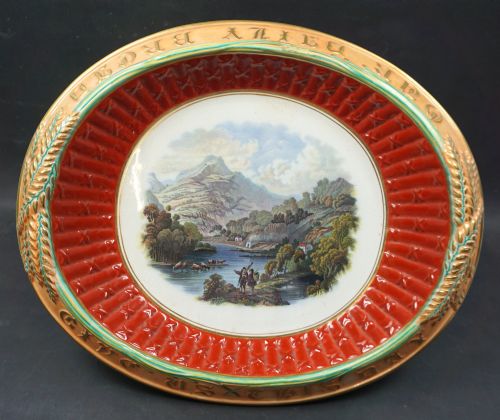
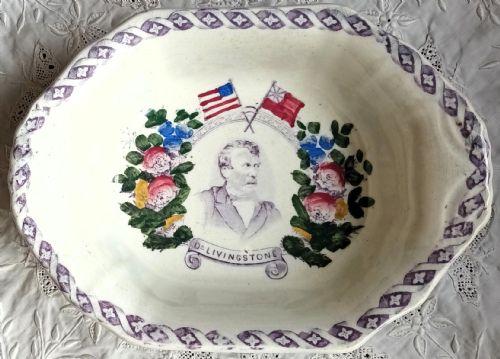
Antique Pottery Platter
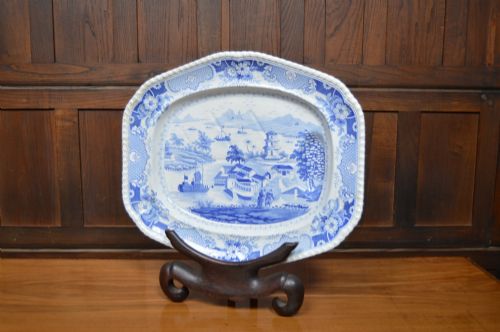
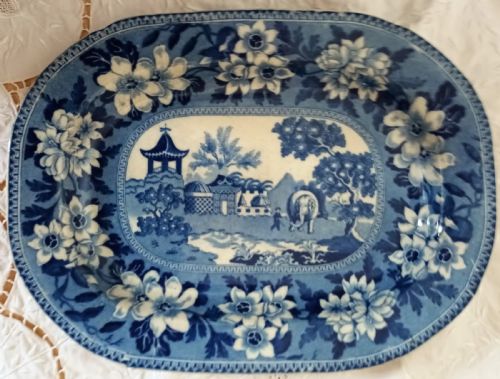
An antique pottery platter brings historical dining scenes and hand-painted blue and white transfer prints directly to a modern table.
Antique Pottery Platter
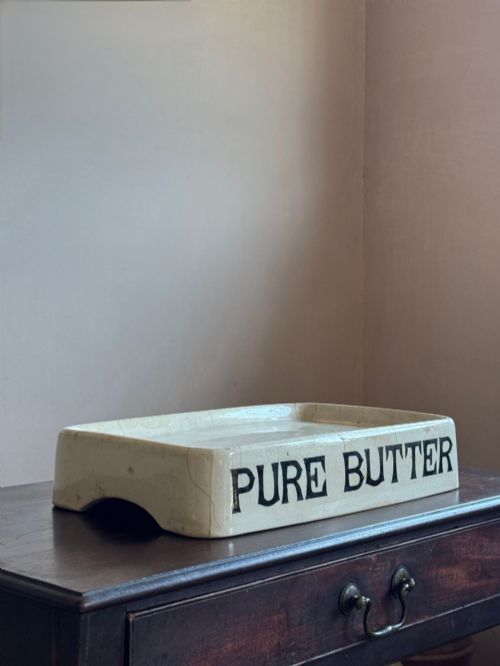
An antique pottery platter encompasses large serving vessels, chargers, and meat dishes created across the eighteenth, nineteenth, and early twentieth centuries. Buyers seeking these items will encounter earthenware, pearlware, and porcelain examples shaped for service or display in domestic settings. The pieces reflect varied origins, spanning English potteries, Dutch delftware workshops, and Asian export manufacturers.
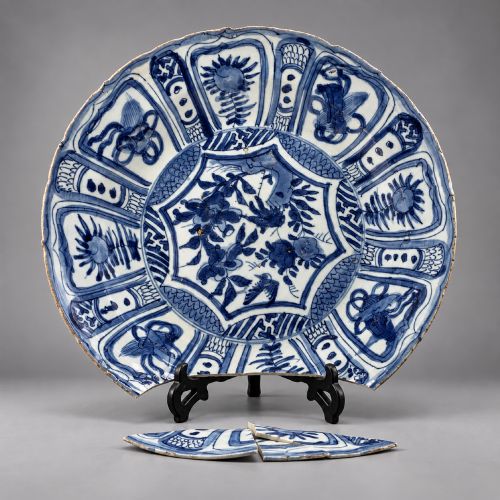
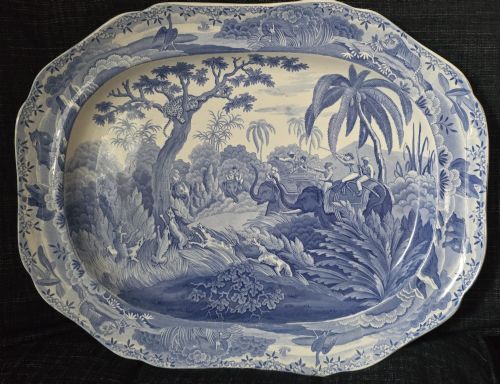
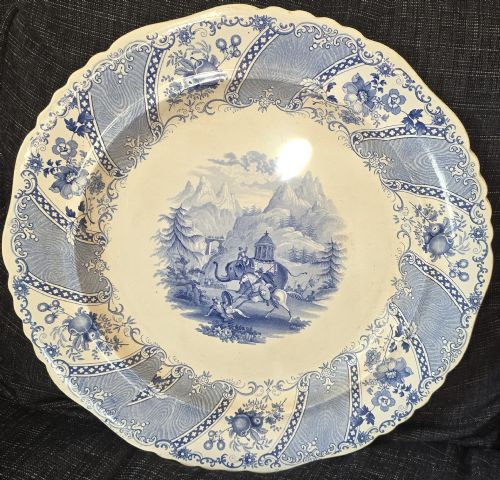
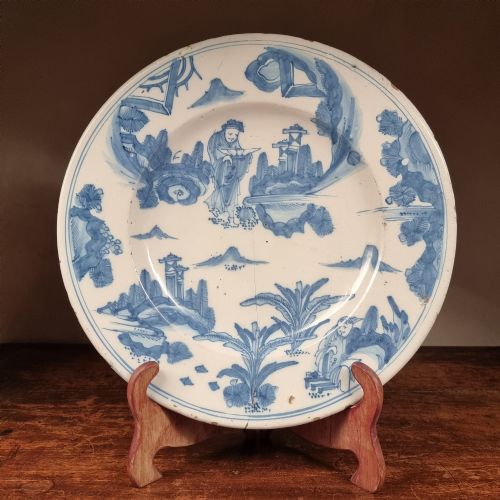
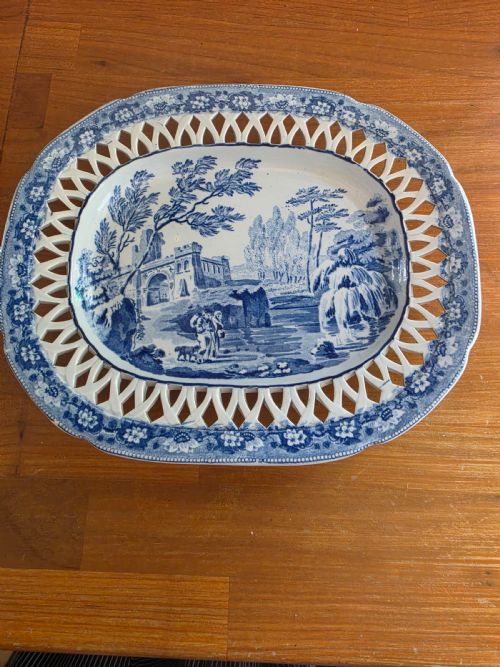
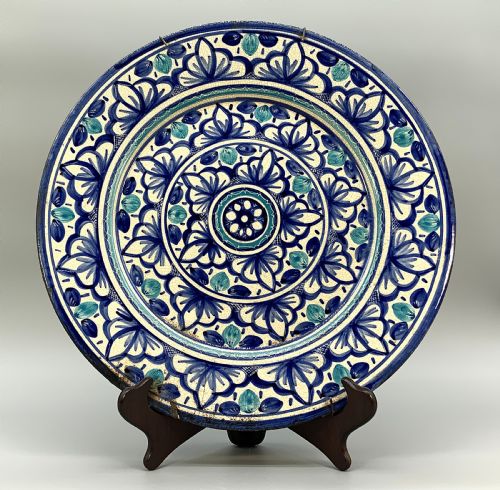
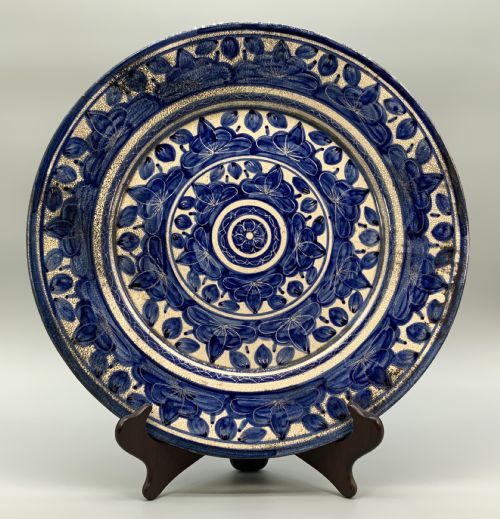
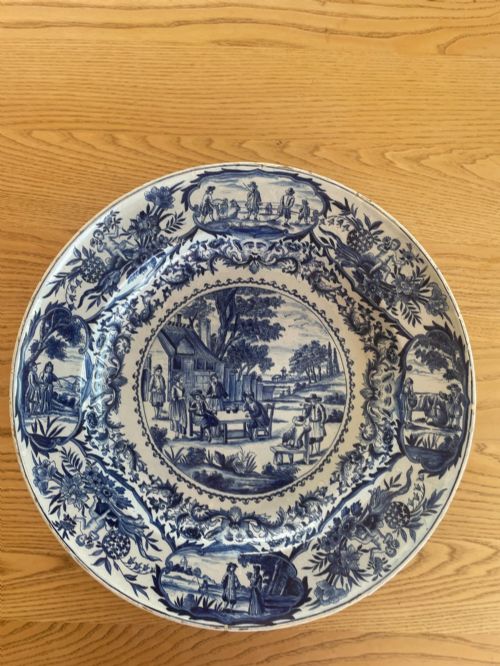
The most common variations on this page include blue and white transferware meat dishes from English factories and tin-glazed earthenware chargers from European traditions. These objects range from heavy serving platters bearing pastoral or narrative scenes to decorative wall chargers with intricate floral motifs. Each version preserves specific techniques of historic potting and decoration.
Collector interest often centres on named patterns, regional styles such as Japanese Imari or French faience, and commemorative domestic wares. The forms vary from deep oval meat dishes to wide circular charger plates designed to hold substantial courses. Examining the reverse sides and glaze pooling helps establish the period and origin of each piece.
Materials and production methods
Potters shaped these vessels using earthenware, creamware, pearlware, or porcelain bodies, often employing moulds for large platters and meat dishes. Tin-glazed earthenware and faience relied on an opaque white glaze that accepted cobalt pigment or polychrome enamel painting directly on the raw surface. Copeland, Spode, and other makers utilised refined clays to achieve durable, uniform surfaces capable of supporting complex transfer printing.
Decoration involved hand-painting with cobalt pigment, multi-coloured enamels, or applying copper-plate transfer prints under the glaze. Manufacturers subjected the pieces to high-temperature kiln firings that vitrified the body and fixed the colours beneath a glossy protective coating. Tin-glazed chargers required distinct firing methods to stabilise the porous earthenware beneath the delicate painted designs.
Listings feature earthenware, pearlware, and porcelain bodies decorated with cobalt pigment or transfer printing across the 18th, 19th, and 20th centuries.
Distinguishing quality in historic ceramics
The clarity and registration of transfer-printed scenes distinguish superior platters from routine kitchen wares. Crisp outlines in patterns like the Willow or scenic topographical views indicate careful copper-plate application and precise kiln temperature control. Hand-painted polychrome pieces demonstrate quality through the confidence of the brushwork and the vibrancy of the enamel pigments.
The weight, stability, and proportion of the ceramic body reflect the skill of the original potter. Well-balanced foot rings and even glaze coverage without excessive pooling or dry patches indicate superior manufacturing standards. Finer pieces maintain structural integrity and crisp edge moulding despite centuries of handling.
Spode·William Smith and Co·Davenport·John Rogers and Son·Copeland·Minton·John Ridgway·Mason
The Antique Pottery Platter Glossary
- Transferware
- Ceramic decorated by pressing a paper design inked with metallic pigment onto an unglazed or biscuit surface. This technique allowed factories to mass-produce detailed pastoral and architectural scenes.
- Charger
- A large decorative or serving plate, typically measuring over twelve inches across. These pieces frequently hung on walls or served as centrepieces for dining tables.
- Pearlware
- A refined earthenware developed in the late eighteenth century featuring a subtle blue-tinted glaze that pooled in recesses. It bridged the gap between creamware and true white porcelain.
- Tin-Glazed Earthenware
- Pottery coated with a glaze containing tin oxide, producing an opaque white surface suitable for painting. Dutch delft and French faience utilise this specific technique.
- Flow Blue
- A nineteenth-century transfer printing style where cobalt pigment deliberately blurred into the surrounding glaze during firing. This created a hazy, atmospheric effect across the entire pattern.
- Majolica
- Low-fired earthenware coated with an opaque tin enamel and brightly coloured lead glazes. Minton and other Victorian makers produced elaborate moulded service pieces in this style.
Antique Pottery Platter: Frequently Asked Questions
How were antique platters used originally?
These large vessels served substantial joints of meat, fish, or large courses at formal dining tables throughout the Georgian and Victorian periods. Copious quantities of food rested upon them before being carved and served to guests.
Beyond dining rooms, large chargers frequently decorated walls or sideboards as display pieces. Their scale and pictorial designs made them ideal for showcasing household status.
Can I use an antique platter for serving food?
Many historic earthenware and ironstone platters remain physically robust enough to hold food items during modern meals. Gentle hand washing preserves the historic glaze and prevents damage from modern dishwashers.
Collectors often prefer to exhibit them on stands or walls to protect the surface from cutlery marks and staining. Historic glazes can sometimes contain trace elements, making casual display a safer choice for fragile pieces.
How do I distinguish pearlware from creamware?
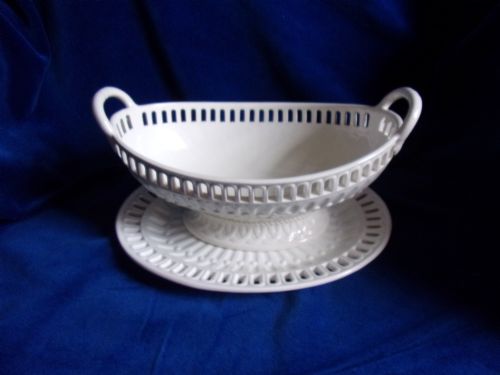
Creamware possesses a warm, buttery yellow tone imparted by its transparent lead glaze over a pale body. Josiah Wedgwood refined this material during the eighteenth century for domestic service.
Pearlware incorporates a small amount of cobalt in the glaze to counteract the yellowish body, resulting in a whiter appearance. This bluish tint typically pools visibly around foot rings and handles.
What defines a delft charger?
A delft charger is a large, tin-glazed earthenware plate produced in Dutch workshops or English centres like London and Bristol. They feature hand-painted cobalt blue or polychrome designs inspired by Chinese export porcelain.
These pieces often display three small circular kiln marks on the front surface where support pins rested during firing. Their porous earthenware bodies make them noticeably heavier than porcelain equivalents.