







Antique Pottery Pedestal
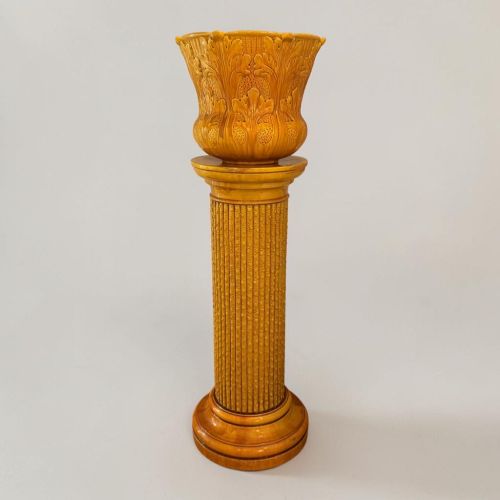
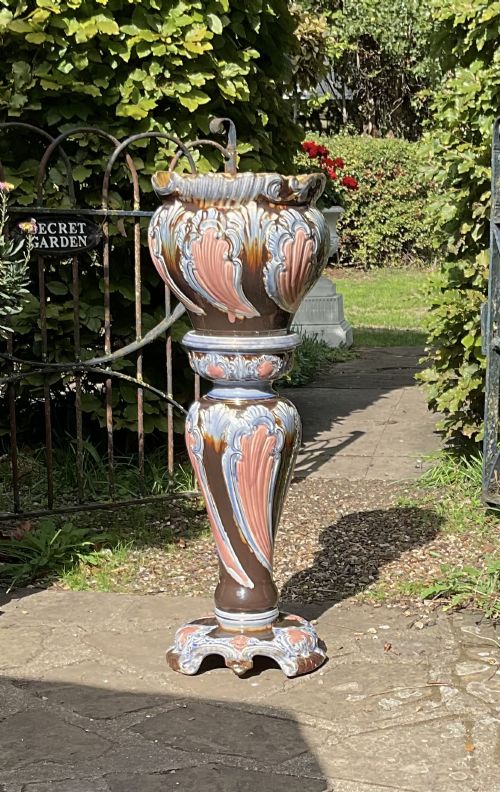
When you look for an antique pottery pedestal, you encounter substantial majolica stands, glazed earthenware columns and ceramic plant holders designed to elevate heavy garden urns and decorative bowls.
Antique Pottery Pedestal
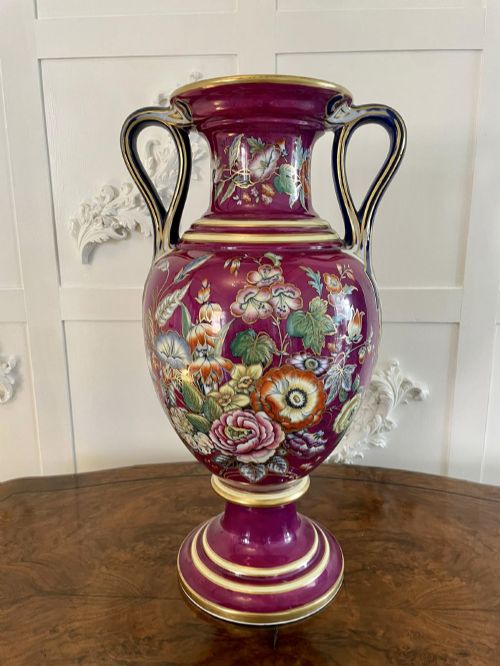
An antique pottery pedestal serves as a sturdy support column or base for large jardinieres, ceramic plants stands, and decorative bowls. These items emerge primarily from the nineteenth century, including Victorian, Georgian, and Edwardian periods, taking the form of tall display columns, majolica jardiniere stands, and associated ceramic vessels.
The objects span practical garden furniture and indoor decorative elements, ranging from tall Burmantofts art pottery pedestals to Italian majolica bases and matching jardiniere sets. Buyers frequently encounter glazed earthenware and ceramic columns designed to carry heavy plant pots or display sculptural vases at eye level.
How they were made
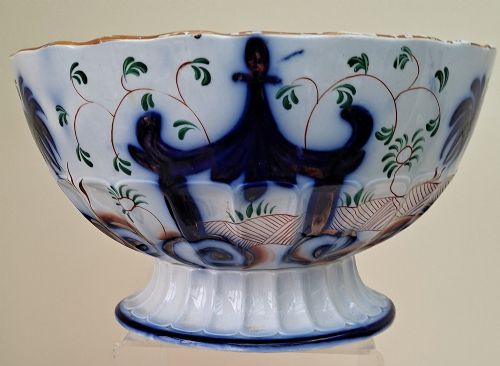
Potters constructed these heavy pedestals using earthenware, faience, and porcelaneous clay bodies, often shaping them on large potters' wheels or casting them in segmented ceramic moulds. Artisans then applied colourful majolica glazes, cobalt blue decoration, or metallic lustre finishes before firing the pieces in large kilns to fix the vitreous surfaces.
Antique Pottery Pedestal Retail Price Guide 2026
Typical asking prices for pottery pedestal among the pieces listed under this phrase on Sellingantiques today, from the lower quarter to the upper quarter. They describe what is for sale here now, not the wider market.
Several nineteenth-century drinking vessels include small ceramic frogs sitting inside the base to startle thirsty drinkers.
What varies in quality
Quality in an antique pottery pedestal is determined by the depth and richness of the glaze application, the crispness of moulded botanical or naturalistic details, and the structural integrity of the ceramic column. Superior examples display even majolica coloration without pooling or dry patches, alongside precise registration in transfer-printed or hand-painted motifs.
The distinction between standard production items and exceptional pieces rests upon the ambition of the studio or pottery, from mass-produced commercial earthenware to complex, multi-part glazed ceramic columns designed by notable manufacturers.
Burmantofts Art Pottery·Royal Doulton·Ulisse Cantagalli·Minton·Spode
The Antique Pottery Pedestal Glossary
- Majolica
- A type of earthenware coated with an opaque tin-lead glaze and painted with metallic oxide colours, producing vibrant greens, blues, and purples. This technique became exceptionally popular for Victorian jardinieres and decorative pedestals.
- Jardiniere
- A large ornamental pot or container designed to hold plants or flowers, frequently paired with a matching ceramic pedestal column. These vessels often feature naturalistic plant or animal motifs.
- Earthenware
- Porous pottery fired at lower temperatures than stoneware or porcelain, requiring a vitreous glaze to render it waterproof. Most nineteenth-century plant stands and pedestals utilise this material base.
- Transferware
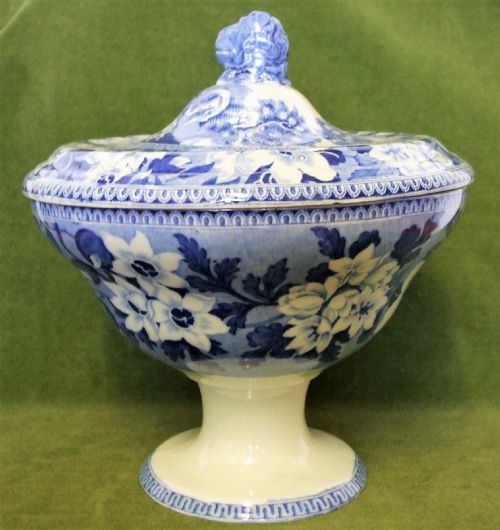
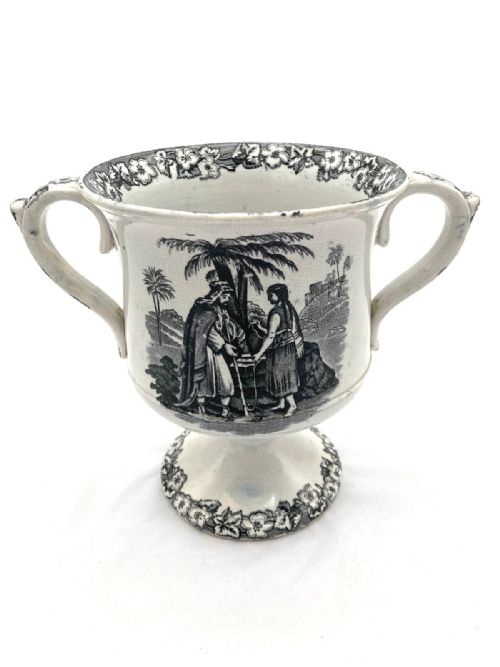
- Pottery decorated by applying a printed design from an engraved copper plate onto tissue paper and transferring the ink onto the ceramic surface before glazing. This method allowed for intricate blue and white patterns on bowls and comports.
- Comport
- A shallow decorative bowl raised on a high foot or pedestal base, traditionally used for serving fruit or sweetmeats on dining tables. Examples are frequently found in ironstone and pearlware.
Antique Pottery Pedestal: Frequently Asked Questions
What is an antique pottery pedestal?
An antique pottery pedestal is a tall ceramic or earthenware column designed to support a heavy jardiniere, plant stand, or decorative bowl. These architectural supports elevate display items above floor level.
They appear primarily in nineteenth-century British and European ceramics, featuring moulded plant motifs, smooth glazed surfaces, or colourful majolica finishes.
How do you style a pottery pedestal?
These pedestals function best as standalone decorative items in hallways or living spaces, topped with large ceramic jardinieres, heavy bowls, or sculptural vases. They add architectural height and visual weight to a room.
Ensure the top surface of the pedestal matches the base dimensions of the vessel you intend to place upon it for stability.
How are majolica pedestals cleaned?
Majolica and glazed earthenware pedestals require gentle cleaning with a soft, damp cloth to remove dust from the moulded crevices and glazed surfaces. Avoid harsh abrasives or chemical cleaners that might dull the historic glaze.
Care must be taken around unglazed areas or historic repairs to prevent moisture penetration into the porous clay body underneath.
Are pedestals sold with jardinieres?
Many antique pottery pedestals were originally manufactured as matching sets with a corresponding jardiniere or bowl. Surviving complete pairs remain highly sought after by collectors.
Individual columns also appear separately on the market, allowing buyers to pair them with complementary antique bowls or planters.