



Antique Pottery Inkstand
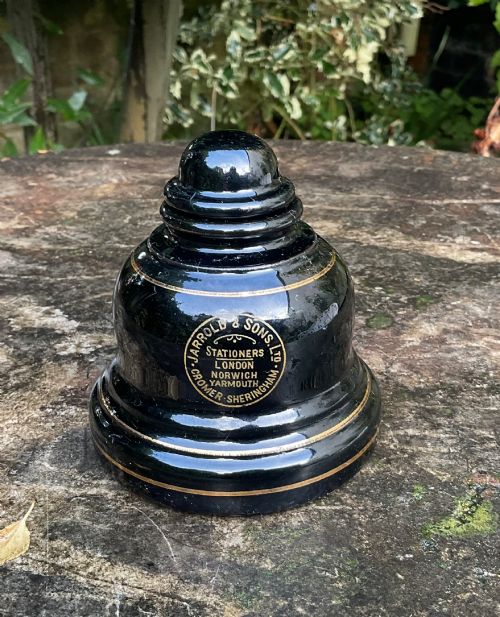
These antique pottery inkstand pieces are charming desk accessories and inkwells designed to hold writing materials.
Antique Pottery Inkstand
An antique pottery inkstand provides a solid ceramic base for holding ink and writing implements upon a desk. When you search for an antique pottery inkstand, you are looking at practical writing equipment produced across the nineteenth century and into the early twentieth century.
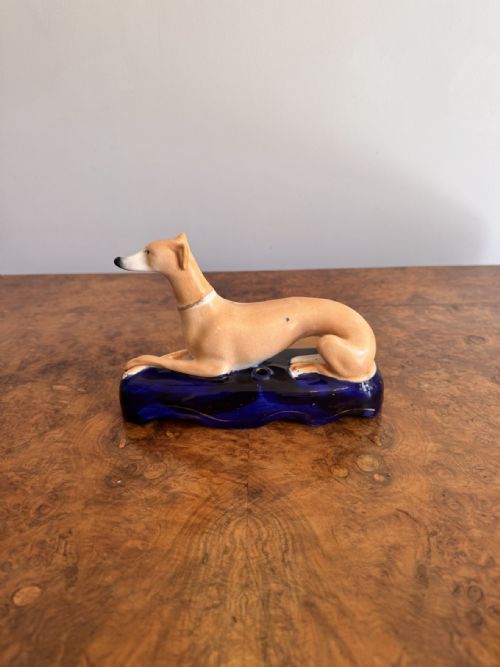
The pieces on this page are largely represented by English pearlware, Victorian Staffordshire figures featuring dogs with quill holders, and tin-glazed earthenware from Dutch Delft and French provincial workshops. Animal figures such as greyhounds, whippets, and dalmatians appear frequently combined with inkwells and quill holders.
Forms range from simple desktop inkwell stands painted in blue and white to sculptural glazed ceramic groups depicting dogs with baskets. These items served a daily clerical function in homes and offices before the widespread adoption of fountain pens.
How they were made
Potters shaped these objects from earthenware, pearlware, and ceramic bodies before applying tin glazes, enamel colours, and occasional gold leaf details. The clay was moulded or thrown into form, then fired in kilns to achieve a hard biscuit base ready for decoration.
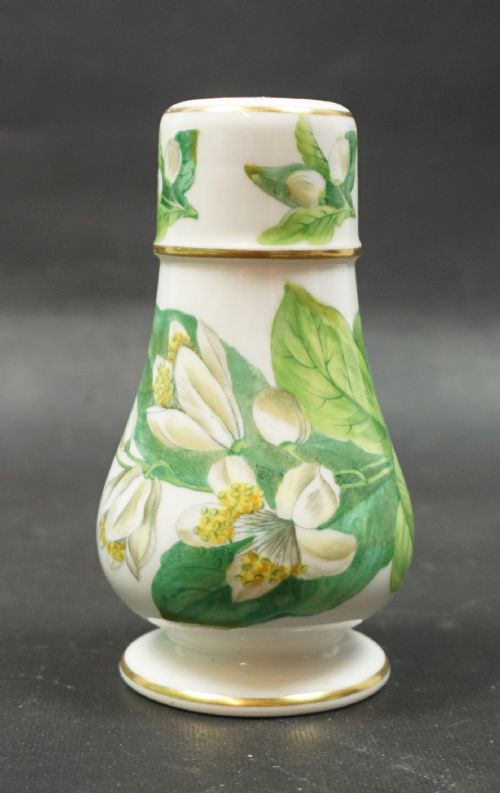
Painting was executed by hand using pigments that fused with the glaze during a subsequent firing, resulting in durable blue and white scenes or polychrome subjects like lily of the valley flowers and Watteau figures.
Antique Pottery Inkstand Retail Price Guide 2026
Typical asking prices for pottery inkstand among the pieces listed under this phrase on Sellingantiques today, from the lower quarter to the upper quarter. They describe what is for sale here now, not the wider market.
Listings feature earthenware, pearlware, and tin-glazed ceramic materials spanning the Victorian era and the early twentieth century.
What varies in quality
Quality rests upon the crispness of the modelled form and the skill of the hand-painted decoration. Nicely rendered facial expressions on animal figures and finely brushed botanical motifs separate superior examples from standard production pieces.
The preservation of the original glaze and the clarity of the enamel colours also determine the visual strength of an inkstand. Pieces that retain their supplementary elements like pounce pots or matching covers demonstrate greater original integrity.
The Antique Pottery Inkstand Glossary
- Pearlware
- A fine-grained earthenware developed in the eighteenth century with a slightly bluish glaze that pooled in recesses to resemble Chinese porcelain. It forms the body for many early nineteenth-century desk pieces.
- Tin-Glazed Earthenware
- Pottery coated with a white tin-oxide glaze that provided an opaque background for painted decoration. This technique underpins Dutch Delft and French faience production.
- Pounce Pot
- A small perforated container used to sprinkle powdered sand or cuttlefish bone over wet ink to absorb excess moisture. They frequently accompanied inkstands on writing desks.
- Quill Holder
- An integrated support designed to keep writing feathers upright and ready for use. These are often moulded as part of Staffordshire dog figures.
- Encrier
- The French term for an inkstand or inkwell. It appears on continental ceramic writing pieces from the nineteenth and twentieth centuries.
Antique Pottery Inkstand: Frequently Asked Questions
What is an antique pottery inkstand?
An antique pottery inkstand is a ceramic desk accessory designed to hold liquid ink and writing tools like quills. They combine practical compartments for writing materials with decorative ceramic forms.
These objects reflect the writing habits of the nineteenth and early twentieth centuries when desks required dedicated ink reservoirs and sand containers.
How were these inkstands used?
Owners placed them on writing desks to hold ink for daily correspondence and record keeping. The central well held the ink while attached holders kept feathers close at hand.
Many examples include covered sections or matching pounce pots to complete the traditional writing set used before modern steel nibs and fountain pens.
How do I date an inkstand?
Dating relies on identifying the ceramic body, glaze characteristics, and decorative style seen in the piece. Materials like pearlware or tin-glazed earthenware point to specific manufacturing eras.
Stylistic markers such as Victorian animal modelling help narrow the production period down to specific decades of the nineteenth century.
How do I care for a ceramic inkstand?
Keep the piece away from direct sunlight and clean it gently with a dry or barely damp cloth. Avoid harsh chemical cleaners that might damage the antique glaze.
If the inkwell still contains dried historical ink, leave it undisturbed to preserve the interior surface of the ceramic.