



Antique Pottery Frog
These antique pottery frog pieces are characterful historical ceramics that bring genuine folk humour and naturalistic detail to a room.
Antique Pottery Frog
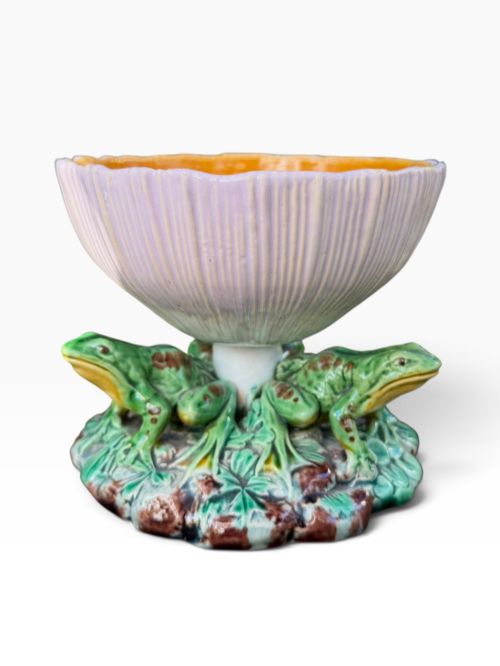
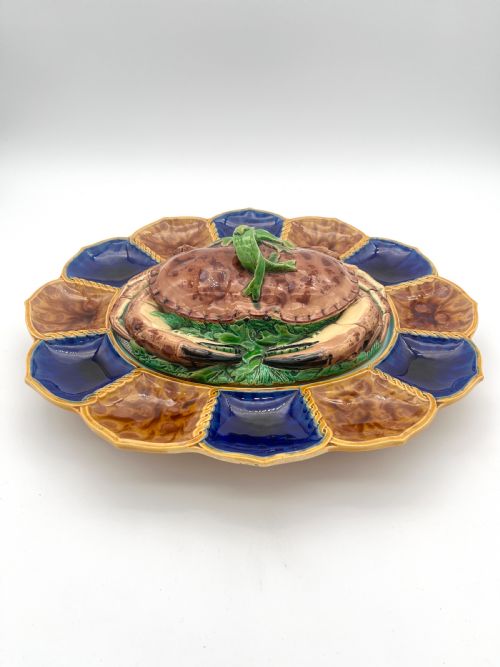
When you search for an antique pottery frog, you encounter a fascinating range of domestic vessels and decorative objects originating from various centuries. These pieces span centuries of ceramic production, from early English country pottery and pearlware drinking vessels to mid-nineteenth century majolica centrepieces.
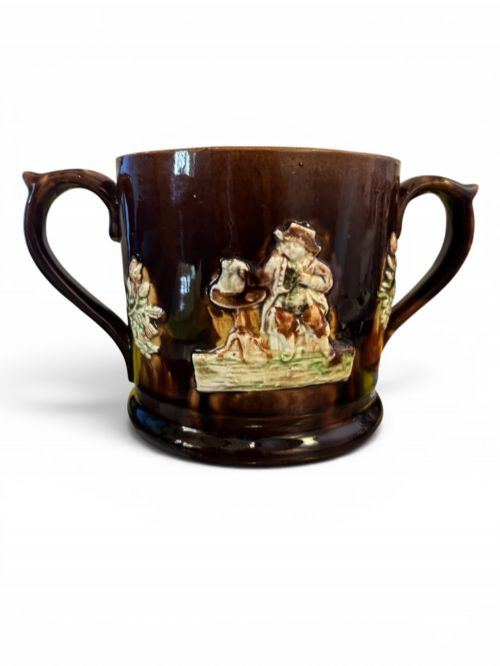
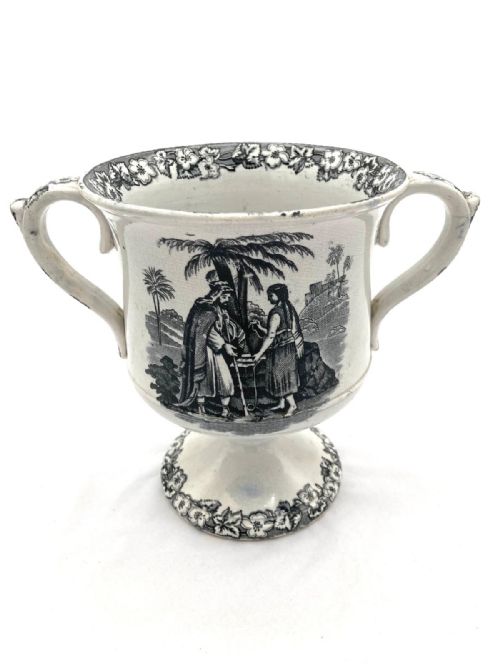
The most common forms on this page are drinking vessels such as mugs, tankards, and loving cups, often featuring a hidden ceramic creature inside. These drinking vessels frequently incorporate transfer-printed hunting scenes, personal names, dates, or poems alongside the modelled amphibian.
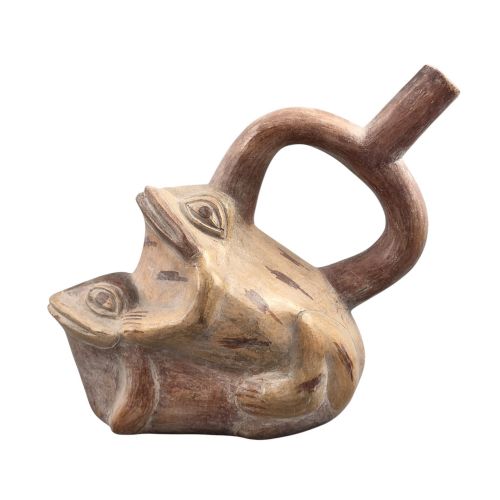
Beyond drinking vessels, the selection includes sculptural decorative objects, tureens, and whistles originating from diverse traditions. You will find items representing English Staffordshire and Minton workshops as well as Pre-Columbian ceramic pieces from the Chimú tradition.
Materials and construction methods
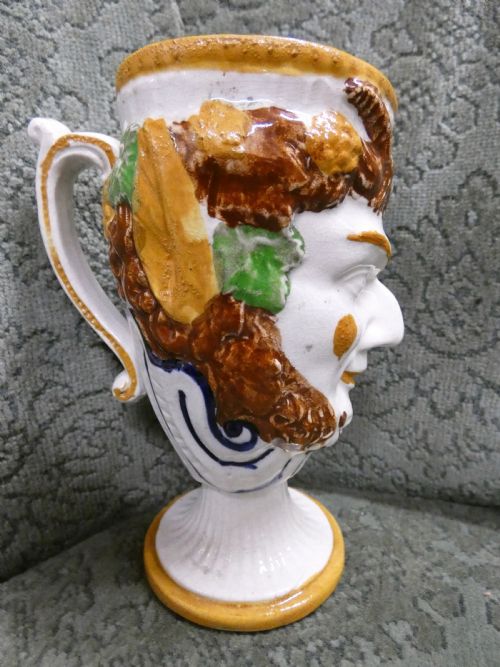
The pieces in this collection are primarily shaped from earthenware, terracotta, and pearlware, reflecting traditional ceramic bodies. Potters utilised lead glazes and multicoloured polychrome pigments to bring these surfaces to life, sometimes adding details in gold leaf.
Decoration techniques vary widely across the periods represented, including hand-painted designs and black or mulberry transfer-printing. Sculptural elements like crabs, newts, and frogs are modelled directly into bowls, mugs, and tureens before glazing and firing.
Antique Pottery Frog Retail Price Guide 2026
Typical asking prices for pottery frog among the pieces listed under this phrase on Sellingantiques today, from the lower quarter to the upper quarter. They describe what is for sale here now, not the wider market.
The listings show earthenware, pearlware, and terracotta bodies decorated with lead glaze and transfer printing across several centuries.
Distinguishing quality in ceramic figures
Quality in these ceramics rests upon the crispness of the modelling and the depth of the glaze. Early hand-painted pearlware and detailed majolica show superior artistic control compared to standard production pieces.
Minton·Staffordshire
The Antique Pottery Frog Glossary
- Pearlware
- A fine earthenware developed in the late eighteenth century featuring a faint bluish glaze that pooled in recesses. It provided a whiter surface for underglaze painting than standard creamware.
- Majolica
- A colourful lead-glazed earthenware popularised during the Victorian era. It is characterised by vibrant polychrome glazes applied over moulded botanical and zoological forms.
- Loving cup
- A large drinking vessel typically fitted with two or three handles for passing between guests at social gatherings. They often bear commemorative inscriptions, names, or dates.
- Transfer printing
- A decoration method where an engraved design is pulled on paper from a copper plate and offset onto unglazed or biscuit pottery. This technique allowed for intricate repeating patterns like hunting scenes.
- Terracotta
- An unglazed or slip-glazed fired red earthenware clay. It forms the structural body for many early sculptural and utilitarian ceramic items.
Antique Pottery Frog: Frequently Asked Questions
What is a frog mug?
A frog mug is a traditional drinking vessel featuring a small ceramic frog modelled inside the bottom or peering over the rim. As the drinker finishes their ale, the hidden amphibian suddenly appears as a surprise.
These mugs were popular in English taverns and country potteries during the eighteenth and nineteenth centuries. They often served as drinking games or humorous novelties for social gatherings.
How were these mugs used?
These vessels functioned as communal drinking mugs for ale, beer, or cider in inns and domestic settings. The multiple handles on loving cups allowed guests to pass the drink safely around a table.
Many examples commemorate specific individuals, dates, or events with poems and transfer-printed scenes. They combined practical drinking use with conversational amusement.
How do I date an antique ceramic frog?
Dating relies on examining the ceramic body, glaze type, and decorative style alongside any inscribed dates. Early nineteenth-century pieces often use pearlware bodies, while Victorian items typically feature majolica glazes.
Transfer-printing styles and handwritten commemorative details provide further clues to the period of manufacture. Pre-Columbian pieces are identified by distinct regional ceramic traditions and forms.
How should I display my pottery frog?
Display these ceramic pieces away from direct sunlight and dramatic temperature fluctuations to protect the glaze and body. Stable shelving that supports the weight of earthenware and majolica bowls or mugs is essential.
Positioning them where viewers can look inside the vessels reveals the hidden frogs and interior details. Keeping them clear of high-traffic areas prevents accidental knocks.