



Antique Potteries Creamer
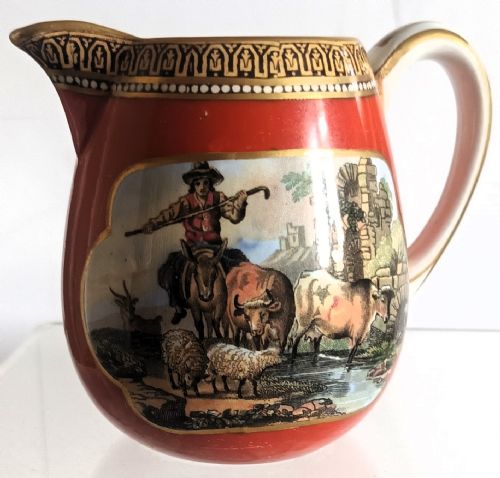
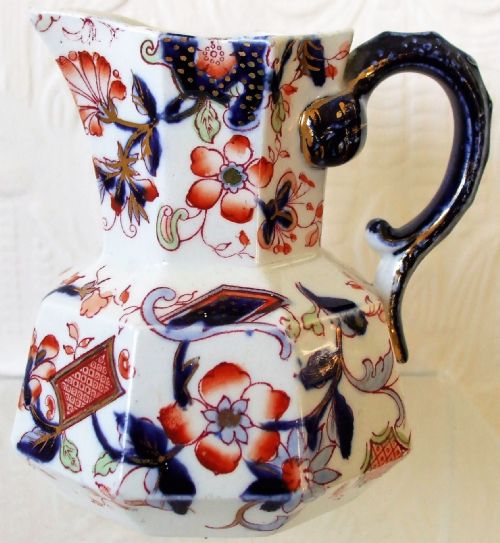
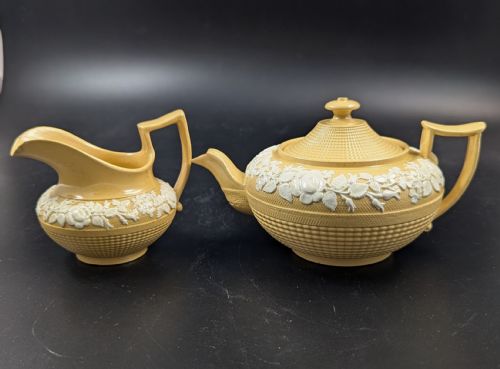
These antique potteries creamer pieces are small ceramic milk jugs and figurative creamers that bring tactile domestic history to the table.
Antique Potteries Creamer
When you search for antique potteries creamer, you encounter small ceramic vessels designed for serving milk or cream during tea and breakfast service. The selections range widely across historical periods including the 18th century, Georgian, Regency, and Victorian eras, alongside dated examples from 1800, 1860, 1890, and 1900.
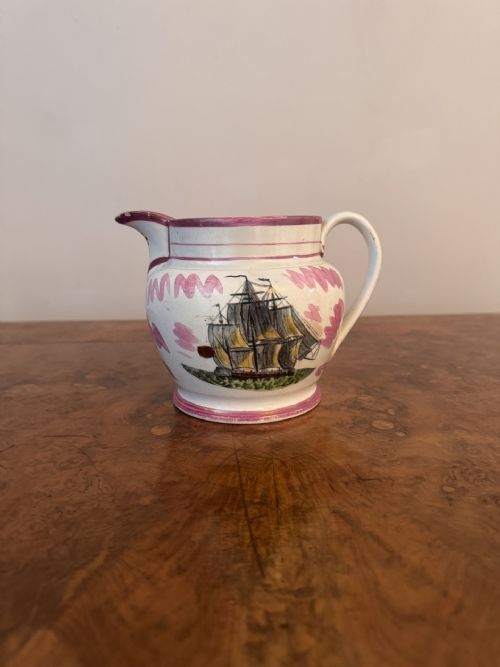
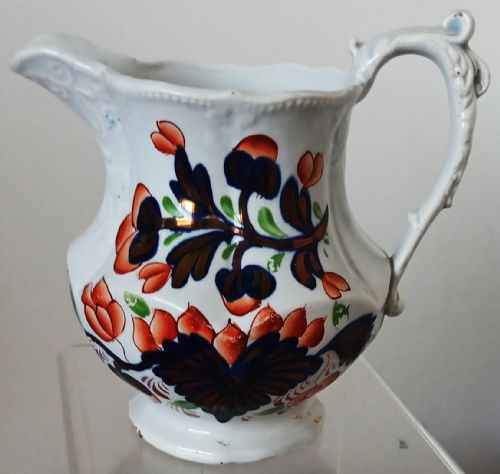
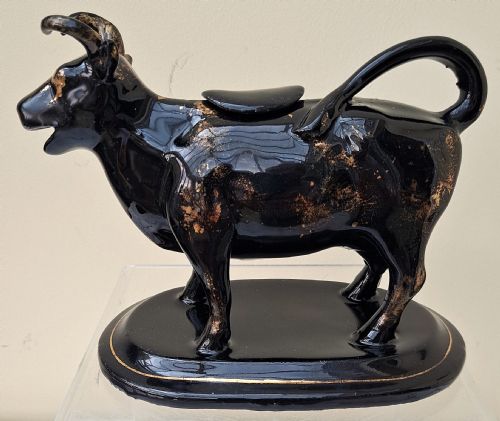
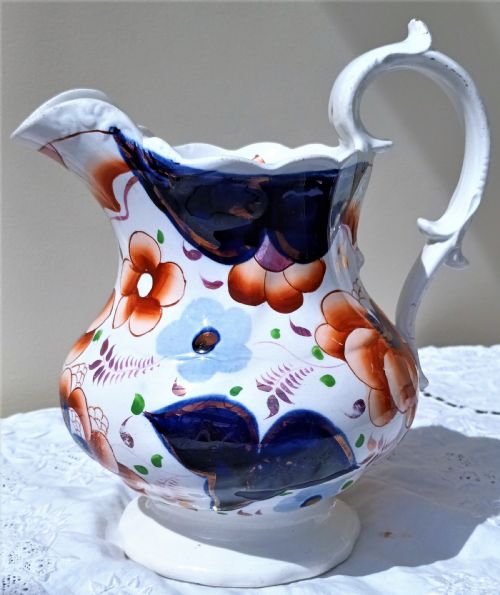
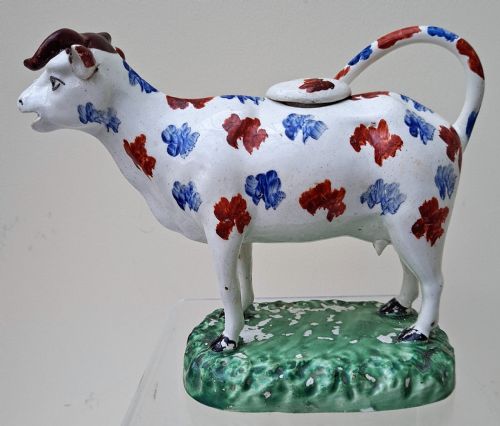
The dominant forms span standard cream jugs, milk jugs, and pitchers alongside whimsical figural pieces like cow creamers complete with milkmaid figures or Jackfield finishes. You also meet regional British varieties such as Gaudy Welsh patterns, Sunderland lustre, and Staffordshire blue and white wares.
Originating primarily from English, Welsh, and Scottish potteries, these vessels reflect domestic routines of past centuries. Most pieces date to the 19th century, offering a tangible connection to historical table settings and regional ceramic traditions.
Materials and production methods
Potters shaped these creamers using earthenware, pearlware, creamware, stoneware, and porcelain bodies, often finishing the surfaces with tin glaze, copper lustre, enamel, or gilt highlights. Black basalt and Jackfield pottery provided dark, lustrous contrasts to standard white or cream-bodied ceramics.
Decoration relied on hand-painted motifs, blue and white transfer printing, and moulded relief work such as the Grape and Drape Gaudy Welsh patterns. Glazed ceramic surfaces protected the porous bodies while adding reflective sheen to jugs and figural animals alike.
Some cows wear floral blankets while standing patiently on flat bases, ready to pour cream straight from the muzzle.
Assessing quality in historical creamers
The integrity of the ceramic body and the smoothness of the glaze layer determine overall durability and aesthetic appeal. Potteries that achieved balanced proportions and stable flat bases demonstrated higher workshop standards during shaping and firing.
Keeling and Co·Doulton Lambeth·Leeds Pottery·Wedgwood·Copeland Spode
The Antique Potteries Creamer Glossary
- Creamer
- A small jug designed specifically for holding and pouring cream at the tea table. These pieces mirror the stylistic shifts of their manufacturing period.
- Cow creamer
- A figural vessel shaped like a cow, often featuring a removable lid on the back and a pouring spout through the animal's mouth. These charming forms were popular in Staffordshire and Welsh potteries.
- Pearlware
- A refined earthenware developed in the late 18th century, featuring a slight bluish tint in the glaze that pooled in recesses to mimic Chinese porcelain.
- Copper lustre
- A metallic glaze technique producing a reflective, copper-hued sheen across earthenware surfaces. It appears frequently on 19th-century Staffordshire jugs.
- Jackfield
- A glossy black-glazed earthenware originating from Shropshire and Staffordshire potteries. It gives creamers and cow creamers a dark, mirror-like appearance.
Antique Potteries Creamer: Frequently Asked Questions
What is a cow creamer?
A cow creamer is a hollow ceramic figurine of a cow configured to serve cream from its mouth. A small opening on the back allowed users to fill the vessel.
Potters across Staffordshire and Wales produced these figural pieces during the Georgian and Victorian periods as functional novelties for the tea table.
How do I identify pearlware?
Pearlware displays a pale, bluish-tinted glaze where the liquid pooled around handles or bases. This refined earthenware bridged the gap between creamware and true white porcelain.
Makers utilised pearlware extensively for transfer-printed and lustre-decorated jugs throughout the late 18th and early 19th centuries.
What is Gaudy Welsh pottery?
Gaudy Welsh refers to brightly decorated earthenware featuring cobalt blue, copper lustre, and iron-red highlights. Patterns like Grape and Drape appeared frequently on Victorian jugs.
These domestic pieces brought vibrant colour to modest households and remain distinct collector items today.
How were these creamers used?
Households used these jugs to serve milk or cream during tea and breakfast services. Their varied capacities accommodated different gathering sizes.
Beyond dining tables, many owners displayed graduated sets or figural jugs on dressers and mantelpieces.