



Antique Postage Box
An antique postage box organises the desk with small-scale craftsmanship, offering compartments designed to store stamps close at hand.
Antique Postage Box
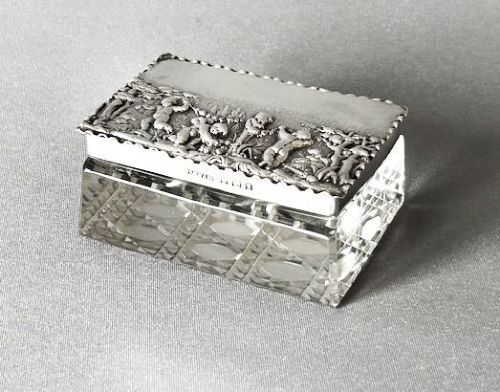
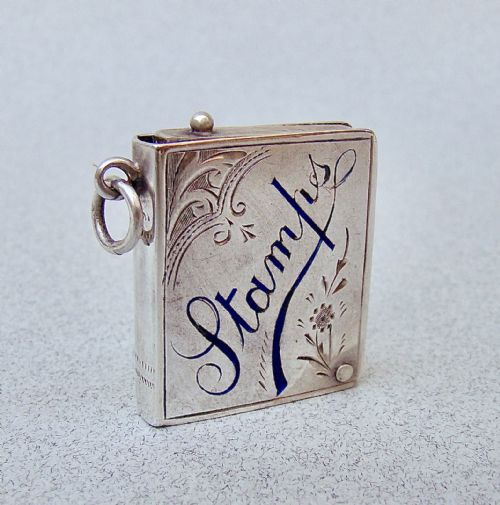
An antique postage box appears as a desk accessory designed to hold one or several denominations of adhesive stamps. These objects take the form of small caskets, trough-shaped containers, book-shaped sleeves, envelope cases, and novelty representations.
The pieces seen originate predominantly from the Victorian and Edwardian eras, spanning the latter half of the nineteenth century through the first decade of the twentieth. Makers produced them for domestic writing desks and travel use.
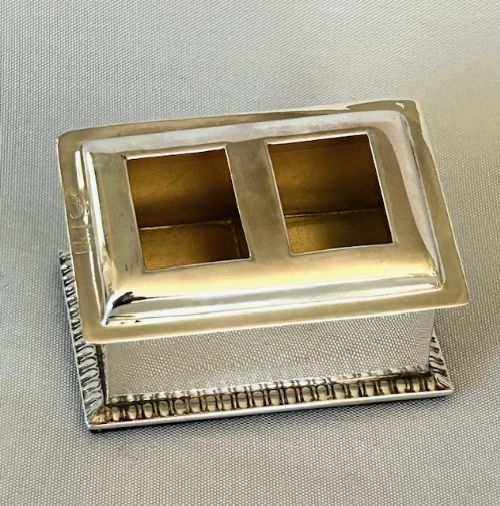
Desk accessories of this type accommodate individual rolls, sheets, or folded strips of stamps, often divided into multiple compartments for different postal rates. Collectors encounter both utilitarian containers and whimsical figural designs.
Materials and Construction
Metals form the core of many surviving examples, with sterling silver, silver plate, brass, bronze, and copper shaped through casting, stamping, and engraving. Silversmiths and metalworkers often added gilt interiors or hinged lids.
Organic materials appear widely, utilising carved hardwoods such as olive wood, oak, fruitwood, and Black Forest carved timbers like walnut. Makers also incorporated leather, glass, cut crystal, mother of pearl, enamel, and tartan ware.
Specialised mechanisms such as slide openings, spring lids, and fitted glass panels allow secure storage while displaying the contents. Artisans combined fitted metal mounts with wooden bodies or carved figural animal lids with glass eyes.
Antique Postage Box Retail Price Guide 2026
Typical asking prices for postage box among the pieces listed under this phrase on Sellingantiques today, from the lower quarter to the upper quarter. They describe what is for sale here now, not the wider market.
Distinctions in Execution
Quality rests upon the crispness of the casting and the precision of the joinery, particularly where hinged lids meet the body of the box. Superior examples exhibit sharp engraving and securely set mounts rather than basic pressed sheet metal.
The level of detail in novelty and figural pieces separates standard production from finer craftsmanship, seen in the hand-chiselled fur of carved animals or the distinct painting on cold-painted bronze. Materials like cut crystal and thick sterling silver elevate the standard of a piece above common brass or plated wares.
CRISFORD & NORRIS·ALBERT ERNEST JENKINS·LEVI & SALAMAN
The Antique Postage Box Glossary
- Trough-shaped
- A desk container featuring an open, concave channel designed to hold rolled or folded strips of stamps for quick retrieval. This form often includes hinged lids covering the compartments.
- Envelope case
- A flat container fashioned to mimic the shape of a posted envelope, complete with simulated flap and postal markings. Makers frequently rendered these in sterling silver.
- Black Forest carving
- Woodwork originating from Central Europe characterised by deeply carved animal figures, foliage, and naturalistic textures. These pieces frequently incorporate glass eyes into depictions of dogs, owls, and bears.
- Tartan ware
- Wooden souvenir items decorated with brightly coloured paper transfers in traditional Scottish clan tartan patterns. Manufacturers coated these pieces in multiple layers of clear varnish for protection.
- Cold-painted bronze
- Metal sculpture decorated with non-fired paint applied over a bronze base. This technique produces vibrant polychrome finishes on figural animal subjects.
Antique Postage Box: Frequently Asked Questions
What are antique postage boxes?
These pieces are small desk containers manufactured during the nineteenth and early twentieth centuries to hold postage stamps neatly on a writing surface. They range from simple metal boxes to elaborate carved wooden novelties.
Craftsmen built them with single or multiple interior sections to separate different stamp values used for standard letters and parcel rates.
How were postage boxes used?
Victorian and Edwardian writers kept these boxes on desks to protect gummed stamps from humidity and dust while keeping them accessible. Some smaller envelope cases and sliding holders were designed for pocket or handbag use during travel.
Multiple compartments allowed users to organise various denominations required for domestic letters, foreign postage, and parcel post rates.
How do you date an antique postage box?
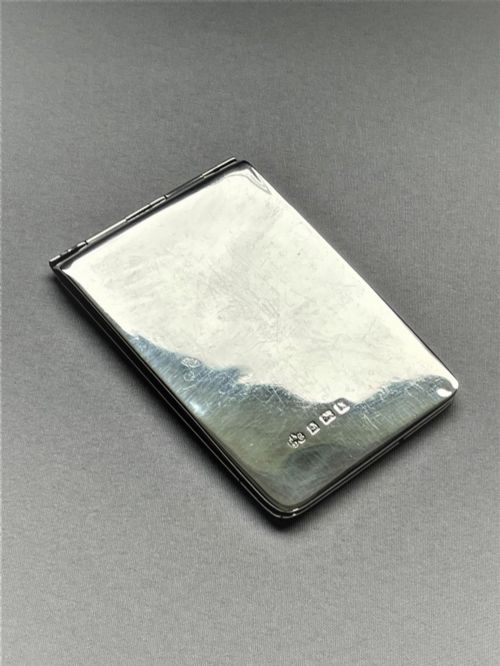
Dating relies on British hallmarks stamped into silver components, which indicate the assay office, city, and exact year of manufacture. Stylistic markers, such as Victorian aesthetic engraving or Edwardian novelty forms, provide additional chronological context.
Materials and construction methods also help establish the period, alongside patent marks registered by makers during the nineteenth century.
How do you clean silver stamp boxes?
Cleaning requires a soft microfiber cloth to remove dust from engraved crevices and hinged joints without damaging the metal surface. Harsh chemical dips should be avoided, particularly on pieces with glass eyes, enamel, or wooden mounts.
Preserving the natural patina maintained over decades ensures the historical integrity of the piece remains intact.