


Antique Portrait in Landscape
When you search for an antique portrait in landscape, you are entering a rich tradition where human figures, animals and scenery share the canvas.
Antique Portrait in Landscape
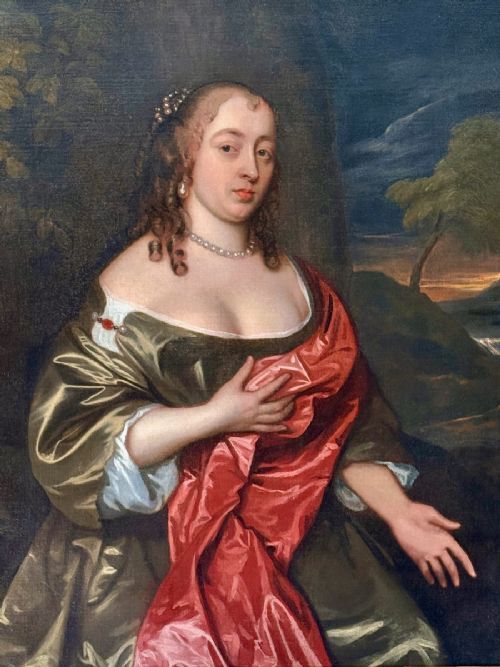
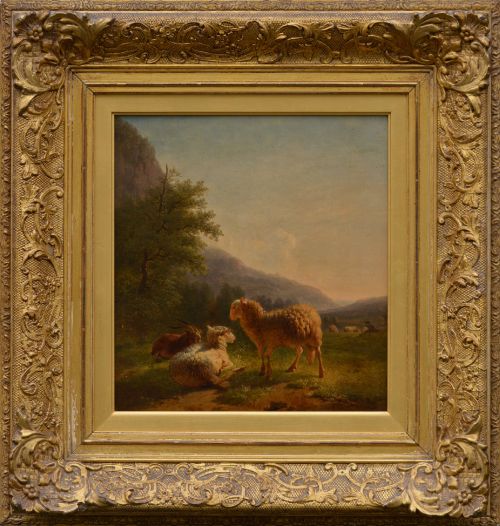
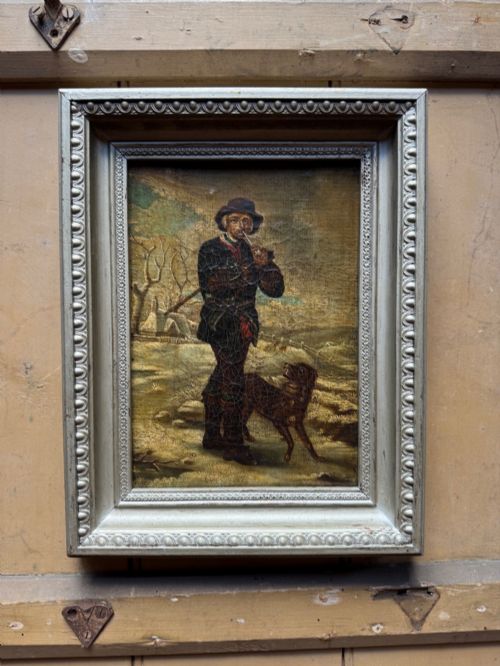
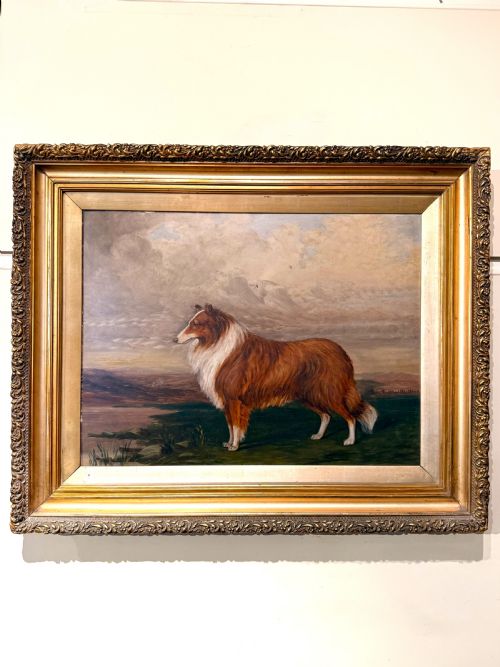
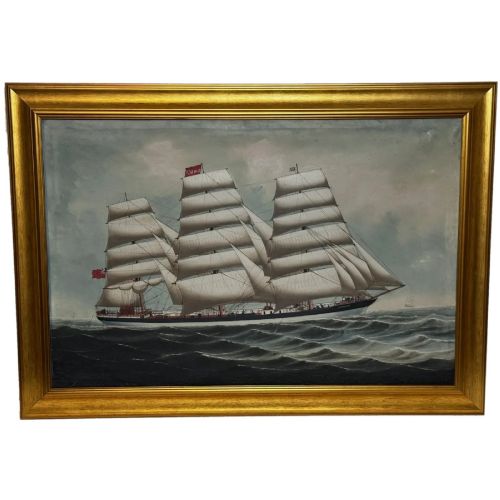
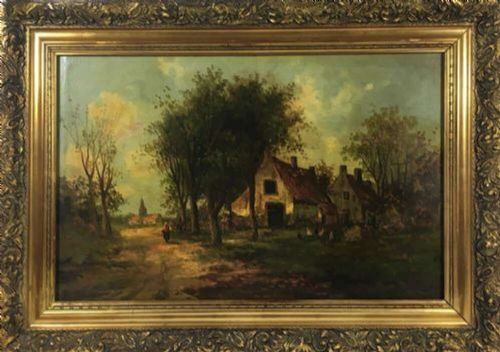
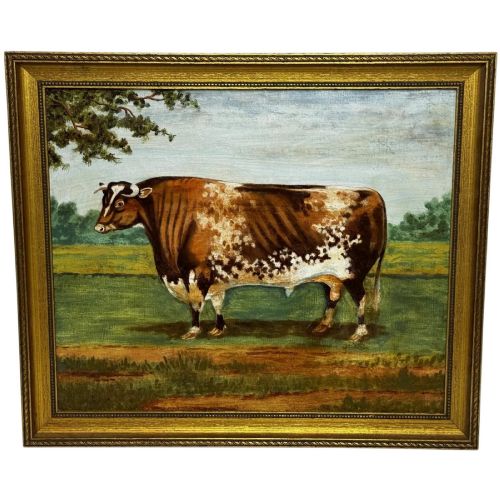
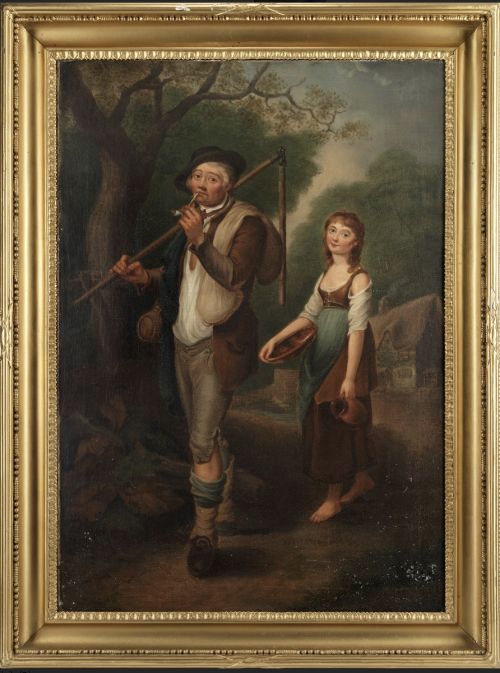
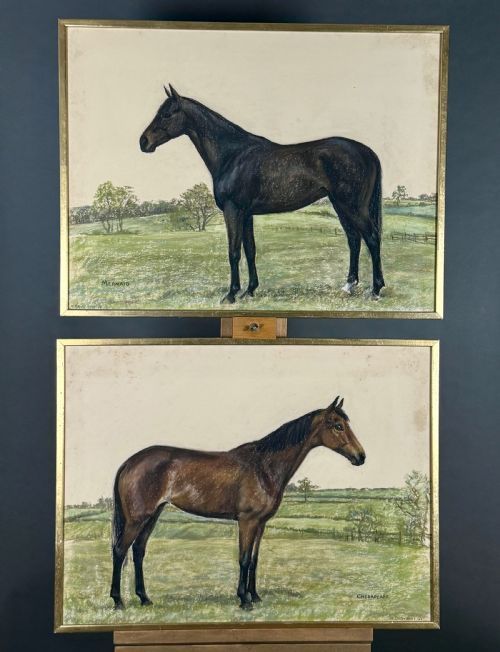
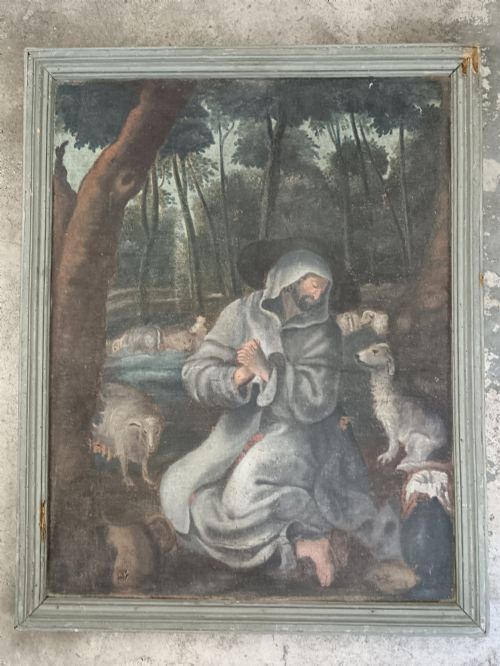
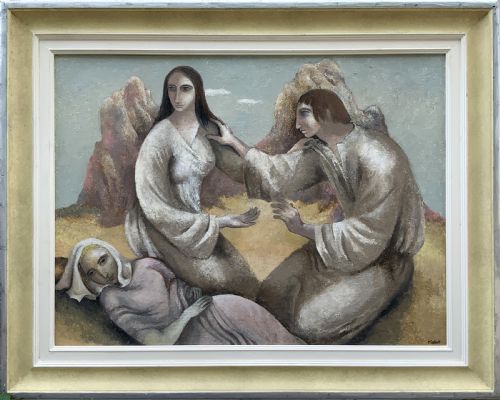
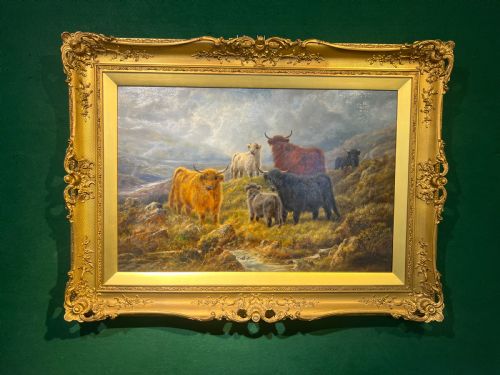
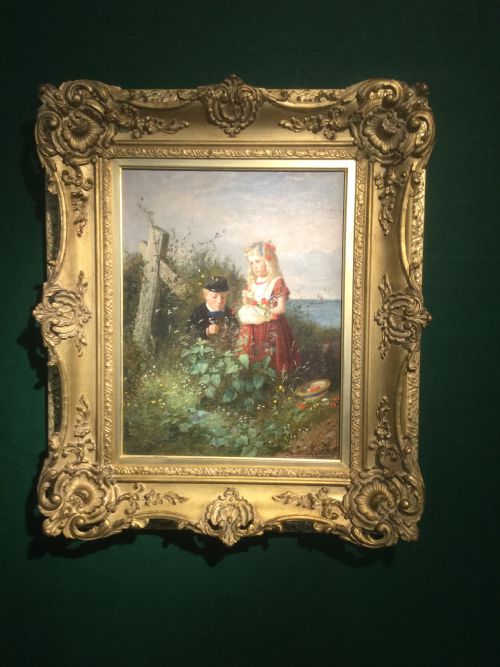
An antique portrait in landscape places a human sitter, child, livestock or pet firmly within an expansive outdoor setting, balancing the subject with natural scenery. These works span from the seventeenth century through the Victorian era and into the early twentieth century, showing sitters, dogs, horses and cattle positioned before rolling fields, distant churches or rural vistas.
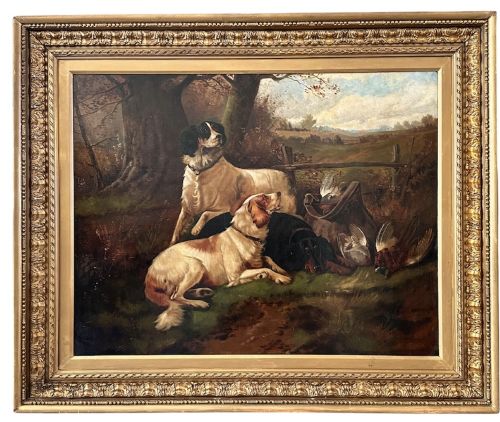
You will encounter pieces ranging from formal eighteenth-century portrayals of ladies seated near plinths to nineteenth-century depictions of gun dogs, hunters and farmyard animals framed by open skies. The format serves to ground the subject in a specific environment, whether an arcadian dream, a sporting estate or a working British farm.
Materials and technique
The primary medium recorded in these works is oil paint applied to stretched canvas or wooden board, producing rich depths of colour and subtle shifts in light across both the sitter and the background foliage. Artists built these compositions using layered oil pigments, sometimes revealing earlier pentimenti where brushstrokes were adjusted during the painting process.
Many of these paintings retain their period surrounds, constructed from giltwood and gesso with intricate mouldings, occasionally supplemented by paper elements and gold leaf details. Silver photo frames from the Edwardian period also represent the genre in smaller domestic scales.
The selection includes British, French and Italian schools, encompassing equestrian studies, domestic pets, prize livestock and rural scenes.
Distinctions in execution
Quality in these works rests upon the anatomical accuracy of the figures and animals, the fluidity of the brushwork in the surrounding landscape, and the harmony between the two elements. Superior examples demonstrate an assured hand in rendering the textures of fabrics, fur or foliage without stiffness.
The integrity of the original canvas, the preservation of the pigment layers and the quality of the associated giltwood or gesso frame contribute significantly to the standing of any given piece within the broader tradition.
John Hayls·Eugène Verboeckhoven·Thomas Barker of Bath·John Sargent Noble·John Emms·John Ferneley Senior·John Frederick Herring Senior·Thomas Hicks·Arthur Wardle·Thomas Sidney Cooper
The Antique Portrait in Landscape Glossary
- Pentimento
- An alteration in a painting, evidenced by traces of previous brushstrokes, showing that the artist changed their composition during the creative process. These adjustments often become visible over centuries as the upper layers of oil paint age and become more transparent.
- Gesso
- A plaster-like mixture applied to wood or canvas surfaces to prepare them for painting, or moulded to create decorative reliefs on picture frames. In period frames, traditional gesso provides the crisp base for subsequent gilding.
- Giltwood
- Wood carved and coated with gold leaf or metallic paint, commonly used for historical picture frames. The quality of the carving beneath the gold finish defines the character of the frame.
- Naïve
- A term describing work created outside the formal academic traditions, often characterised by a charming directness in perspective and proportion. These pieces possess an unpretentious documentary quality.
- Sporting art
- Depictions of equestrian subjects, hunting scenes, prize livestock and dogs set within expansive rural landscapes. This genre flourished during the eighteenth and nineteenth centuries.
Antique Portrait in Landscape: Frequently Asked Questions
What is an antique portrait in landscape?
These works are paintings where a human figure or an animal, such as a horse or dog, forms the primary subject while occupying a prominent outdoor setting. The background is not merely decorative but provides context, whether a pastoral field, an estate or a dramatic coastline.
Such compositions bridge portraiture and landscape art, allowing the artist to capture both the likeness or character of the sitter and the atmosphere of the natural world around them.
How were these paintings displayed originally?
Historically, these artworks hung in the panelled rooms, libraries and stair halls of country houses and urban residences, often chosen to commemorate family members, prized livestock or beloved hunting dogs. Their generous scale suited formal domestic display alongside period furniture.
They were customarily housed in heavy giltwood and gesso frames designed to catch the light of oil lamps or daylight, separating the painted window into nature from the interior wall.
How do I care for an oil painting on canvas?
Keep the artwork away from direct sunlight, high humidity and sudden temperature shifts, which can cause the canvas to slacken or the oil paint and gesso frame to crack. Dust the surface and the frame gently with a dry, soft brush without applying pressure.
Avoid using water, chemical cleaners or oils on the painted surface. If the canvas requires deeper cleaning or conservation, consult a professional restorer rather than attempting treatment at home.
How can I tell the period of the painting?
Dating relies on stylistic clues in the clothing, hair styling and posture of human sitters, as well as the types of horses, dogs and agricultural machinery depicted in the background. Eighteenth-century sitters often wear structured formal attire, while Victorian and Edwardian examples show evolving fashions and looser brushwork.
Additionally, examine the reverse of the piece for stretcher construction, old canvas stamps, handwritten labels, and the composition of the frame, which frequently corresponds to the era of the artwork.