





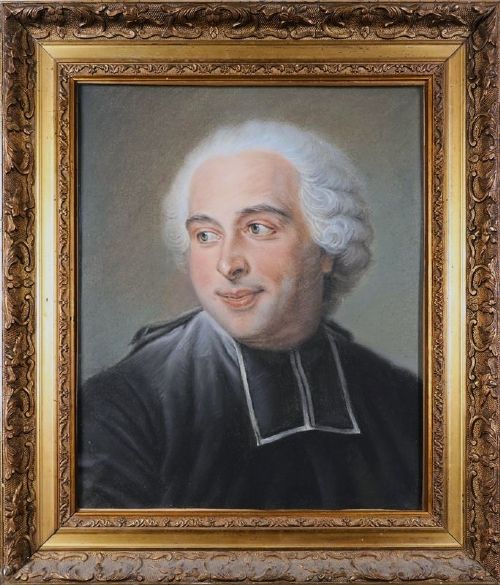
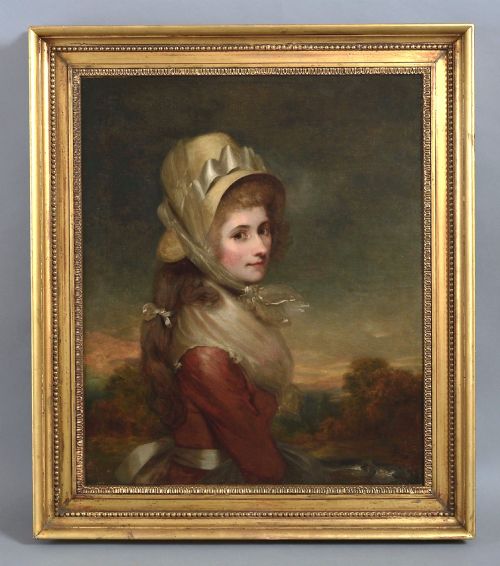
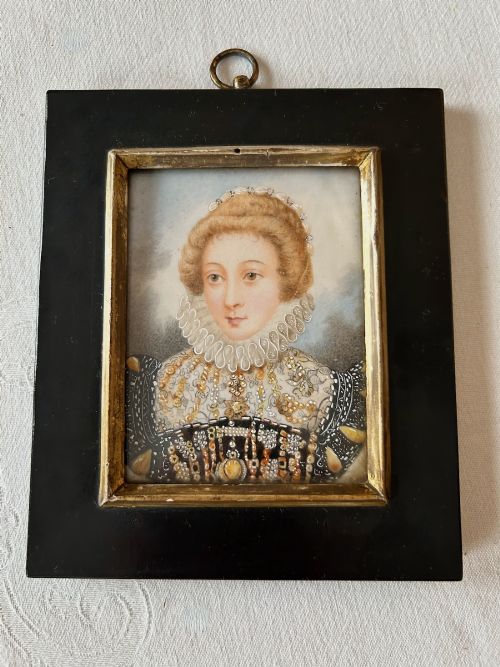
Antique Portrait in Gold Frame
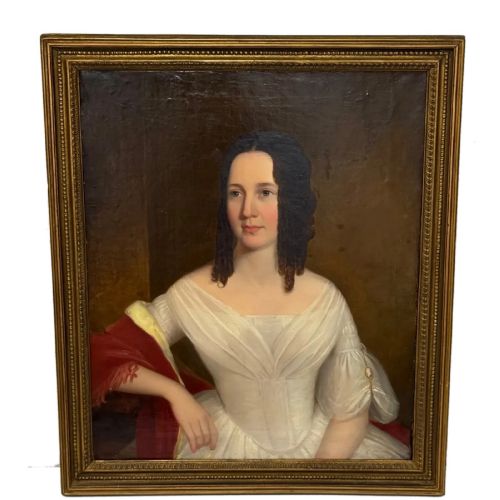
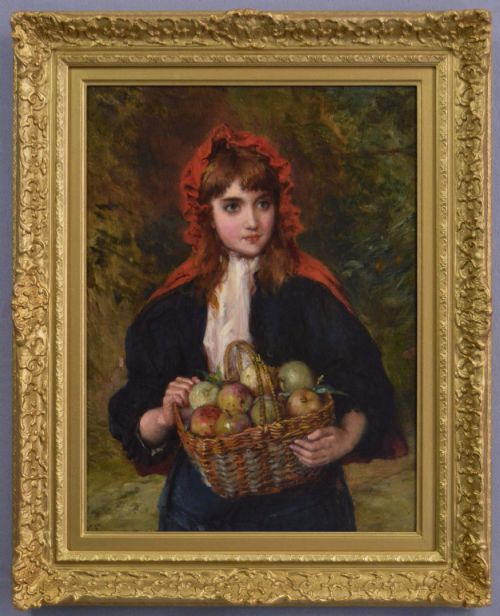
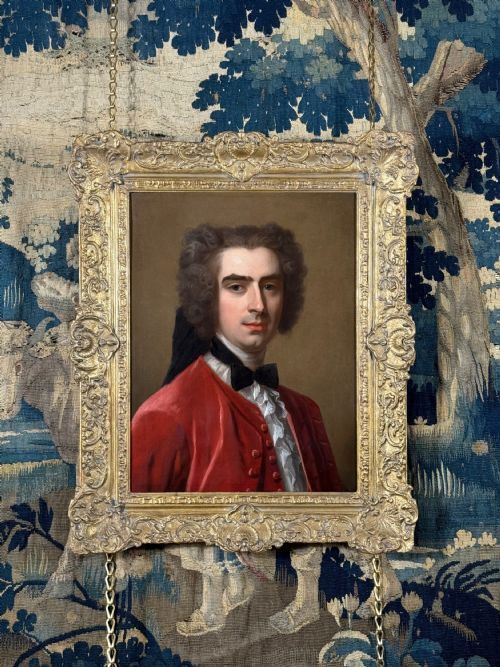
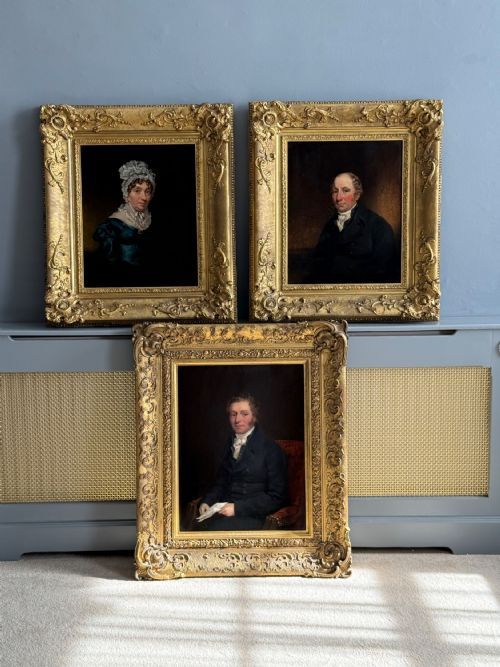
An antique portrait in gold frame captures elite likenesses on canvas, panel or paper, housed in gleaming gilded surrounds that elevate every brushstroke.
Antique Portrait in Gold Frame
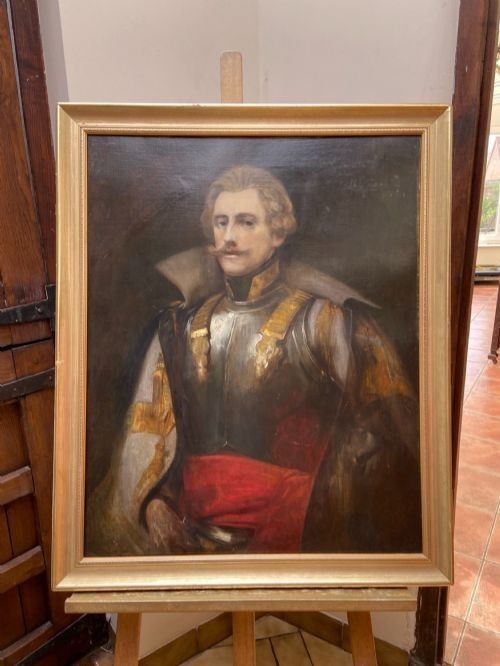
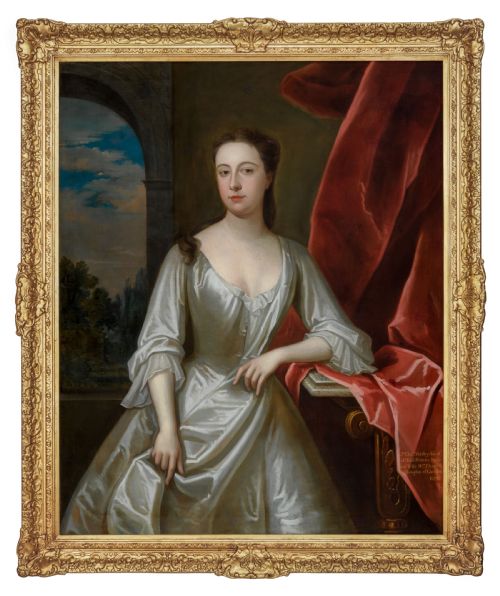
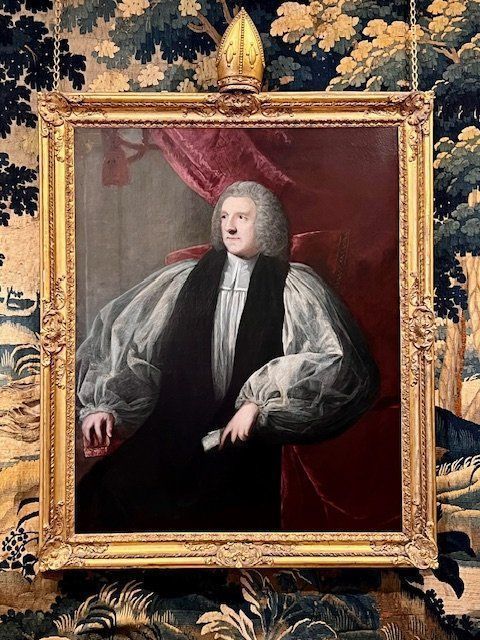
An antique portrait in gold frame typically presents a painted likeness of an individual executed in oil on canvas, on wooden panel, or occasionally as a pastel or miniature. These works span multiple centuries, ranging from seventeenth-century nobility to nineteenth-century gentlemen, architects, and gentlefolk.
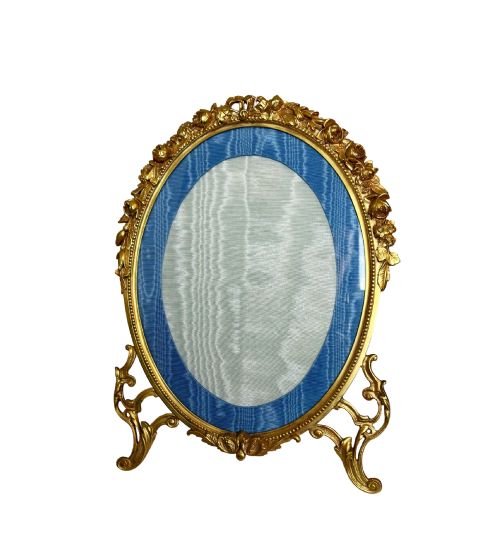
The enclosing surrounds vary considerably in form, incorporating heavy gilded wood mouldings, ornate eighteenth-century carved frames, or compact nineteenth-century bronze oval housings. Collectors encounter both grand British school compositions and intimate portrait miniatures housed within pocket-sized enclosures.
Materials and Construction
The physical support consists primarily of woven canvas stretched over wooden frames, wooden panels, or heavy paper sheets for pastels and engravings. Artists applied oil pigments in layered glazes to achieve depth in garments and flesh tones, sometimes working in miniature on specialised enamel or vellum surfaces.
The accompanying frames are constructed from carved timber, cast bronze, or moulded gesso, subsequently finished with applied gold leaf or metallic gilding to catch the ambient light. These surrounds are secured directly to the artwork or joined via rebate joints and corner blocks.
Several noble sitters gaze past the viewer while casually posing alongside an unexpected household orange tree.
Factors That Distinguish Quality
The refinement of the artist's hand dictates the primary tier of quality, separating competent regional documentation from the fluid brushwork of established portrait painters and court circles. Superior examples display anatomical conviction, expressive depth in the subject's gaze, and meticulous rendering of textiles like velvet, lace, and satin.
The integrity and originality of the surrounding enclosure heavily influence the piece, with period-correct hand-carved giltwood frames commanding greater appreciation than later replacements. The preservation of the original pigment layers without excessive overpainting ensures the historical authenticity of the likeness.
Sir Godfrey Kneller·Sir Joshua Reynolds·Jean-Baptiste Van Loo·Joseph Clover·Sir Peter Lely
The Antique Portrait in Gold Frame Glossary
- Giltwood
- Carved wood coated with gold leaf or metal powder over a prepared gesso ground. This material provides the brilliant reflective surface characteristic of formal antique picture frames.
- Portrait Miniature
- A small-scale likeness painted on ivory, vellum, card, or enamel, often designed for personal carriage or intimate display. These compact works frequently feature specialised glass fronts and precious metal bezels.
- Oil on Canvas
- Pigment bound in a drying oil, typically linseed, applied to a stretched woven fabric support. This technique became the predominant medium for fine art portraiture from the seventeenth century onward.
- Pastel
- A dry drawing medium composed of powdered pigment and a binder, worked onto paper or board. It yields a soft, velvety texture that requires protection under glass to prevent smudging.
- Attributed To
- A designation used when a work displays the distinct stylistic characteristics of a known master but lacks definitive documentation or signature. It indicates strong scholarly consensus regarding the origin of the piece.
Antique Portrait in Gold Frame: Frequently Asked Questions
How do I identify the period of an oil portrait?
Examine the costume, wig style, and sitter's posture, which follow strict historical fashions tied to royal courts and changing decades.
The construction of the wooden stretcher frame and the composition of the canvas weave also offer reliable clues to the exact era of production.
Were these frames always made for the paintings?
Frames and portraits were frequently separated over centuries, meaning many antique paintings now reside in period-correct replacements rather than their original housings.
Matching the style of the gilded moulding to the artistic period of the canvas remains standard practice among collectors.
How should I care for an antique oil portrait?
Keep the canvas away from direct sunlight, heating vents, and damp environments to prevent the paint layer from cracking, warping, or developing mould.
Dust the carved giltwood frame gently with a dry, soft brush without applying liquid cleaners directly to the gilded surfaces.
What is the difference between a painting and a miniature?
Standard portraits are executed on large canvases or panels intended for prominent display on interior walls within substantial reception rooms.
Miniatures are scaled-down likenesses designed for personal closeness, often encased in portable metal lockets or small travelling cases.