



Antique Porringer
An antique porringer is a small, two-handled vessel for broth or porridge that brings tactile seventeenth-century form and domestic history straight to your table.
Antique Porringer
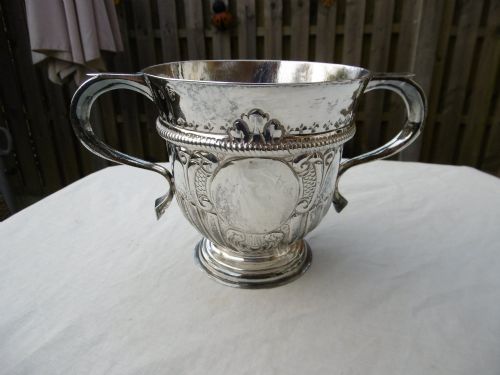
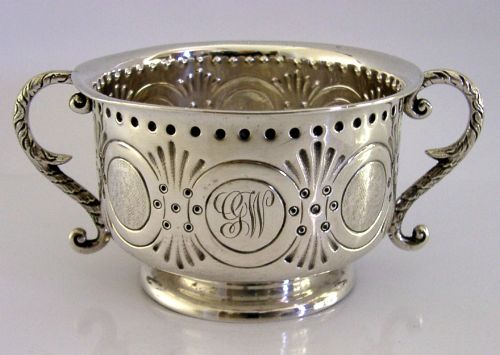
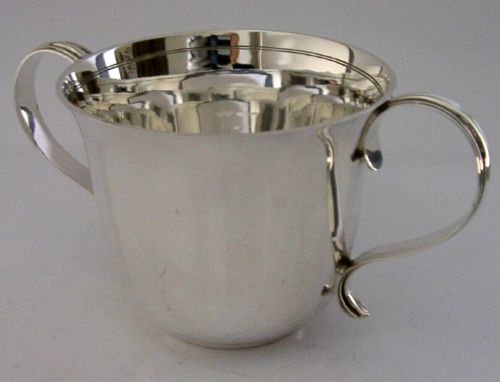
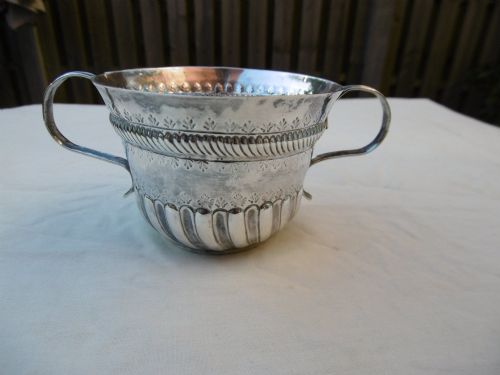
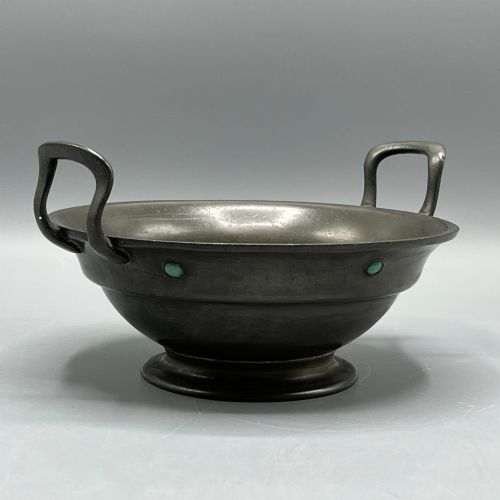
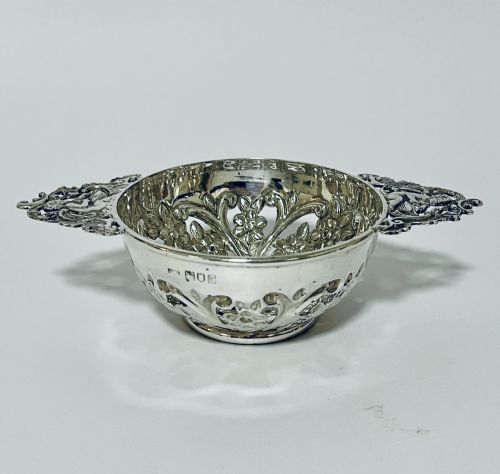
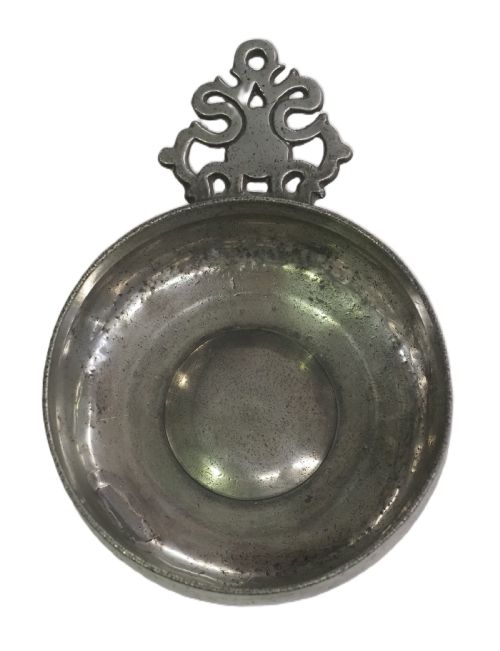
An antique porringer is typically a shallow vessel fitted with one or two flat handle lugs, designed for holding soft foods or liquids in early households. The versions encountered here range from early pewter vessels and silver vessels of the seventeenth and eighteenth centuries to later Edwardian and twentieth-century silver iterations.
The form spans straightforward pewter tavern vessels to elaborate sterling silver handled bowls and lidded vessels created for domestic dining and christening ceremonies. Alongside traditional silver and pewter, related forms appear in ironstone and glass, broadening the material reach of these historic vessels.
Collectors encounter pieces bearing hallmarks from distinct British reigns, including William and Mary, Queen Anne, and George III, alongside later Arts and Crafts interpretations. These vessels bridge the gap between utilitarian kitchenware and prized display silver.
How they were made
Makers shaped sterling silver and pewter through hammering, casting, and soldering, often forming distinctive pierced handle lugs from flat sheet metal. Craftsmen raised bowls from single sheets of metal on wooden stakes, leaving subtle tool marks that reveal manual fabrication.
Pewter vessels relied on tin alloys cast in moulds to achieve specific liquid capacities, while silver pieces received detailed chased decoration and hand-engraved armorials. Specialised workshops also applied decorative cabochons or cast scroll handles to mark distinct regional and period styles.
Antique Porringer Retail Price Guide 2026
Typical asking prices for porringer among the pieces listed under this phrase on Sellingantiques today, from the lower quarter to the upper quarter. They describe what is for sale here now, not the wider market.
The listings span from seventeenth-century pewter and silver vessels to early twentieth-century Arts and Crafts pewter bowls.
What varies in quality
Quality rests on the crispness of chased decoration, the structural integrity of the applied handles, and the weight of the metal utilised in the body. Thicker walls and robustly cast lugs distinguish substantial domestic vessels from lighter, purely decorative examples.
The legibility of maker marks and hallmarks provides a key measure of integrity, alongside the survival of original surface patination and uncompromised proportions. Pieces retaining sharp piercing in the handle lugs and minimal wear to the basin floor demonstrate superior historical survival.
Liberty & Co·Thomas Sutton
The Antique Porringer Glossary
- Porringer
- A small, shallow vessel with one or two horizontal handles, historically used for porridge, broth, or bleeding.
- Lug handle
- A flat, projecting tab or ear attached to the side of a bowl for lifting, often pierced with geometric or floral patterns.
- Britannia standard
- A higher purity standard of silver introduced by law in England to discourage the melting down of coinage.
- Cabochon
- A polished, unfaceted gemstone or coloured glass insert set flush into metalwork as decoration.
- Quaich
- A shallow two-handled drinking vessel originating in Scotland, sharing a similar functional lineage with the porringer.
Antique Porringer: Frequently Asked Questions
What was a porringer used for?
These vessels served primarily for eating soft foods, broths, and porridges in domestic settings during the seventeenth and eighteenth centuries.
Over time, many silver examples transitioned into presentation pieces, christening gifts, or sugar basins rather than everyday tableware.
How do I clean antique silver?
Maintain silver surfaces by washing gently in warm soapy water and drying thoroughly with a soft cloth to protect the metal.
Avoid abrasive polishes that remove historic patination and wear down engraved details or maker marks.
Are pewter porringers food safe?
Historic pewter often contains varying levels of lead depending on the exact alloy composition used by the period maker.
Display antique pewter pieces rather than using them for modern dining to prevent unwanted chemical exposure.
How do I identify the date?
Check the body of silver pieces for stamped hallmarks, lion passant figures, and date letters corresponding to official assay office records.
Pewter versions often rely on touchmarks, capacity stamps, and stylistic design elements to indicate their period of origin.