



Antique Porcelain Tub
An antique porcelain tub brings striking form and functional history into a room, spanning jardinières, footbaths, and biscuit barrels.
Antique Porcelain Tub
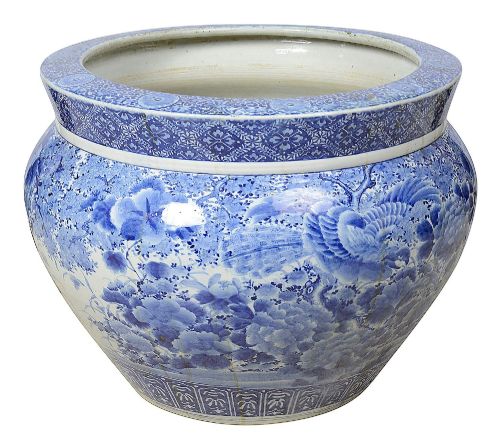
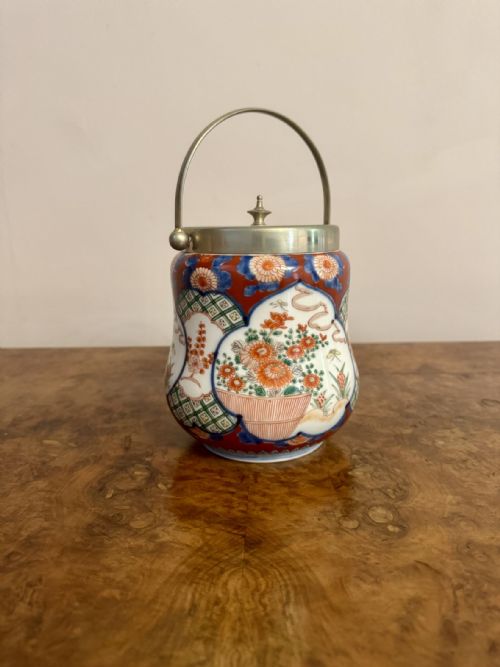
When you search for an antique porcelain tub, you encounter a diverse array of utilitarian and decorative vessels from the eighteenth and nineteenth centuries. These pieces encompass large jardinières, planters, footbaths, and biscuit barrels created across British, European, and Asian workshops.
The versions you are most likely to meet on this page include nineteenth-century jardinieres and Victorian footbaths, alongside Japanese Meiji period examples and Georgian porcelain. Their forms range from classical footbaths designed for bathing to large planters intended for botanical displays.
How they were made
The manufacture of these vessels relies primarily on porcelain, ceramic, earthenware, and pearlware, shaped into substantial vessels for domestic and ornamental utility. Artisans applied cobalt underglaze, enamel, and gold leaf to decorate the ceramic bodies, achieving rich surface detail.
Many items incorporate specific regional techniques, such as Japanese Imari patterns, transfer printing, or hand-painted botanical motifs as seen on Meissen and Worcester productions.
Antique Porcelain Tub Retail Price Guide 2026
Typical asking prices for porcelain tub among the pieces listed under this phrase on Sellingantiques today, from the lower quarter to the upper quarter. They describe what is for sale here now, not the wider market.
Listings feature items from the 18th Century, 19th Century, Georgian, Regency, and Victorian periods, alongside Japanese Meiji Period examples.
What varies in quality
Quality in these pieces rests upon the crispness of the hand-painted decoration, the depth of cobalt underglaze, and the precision of gilding with gold leaf. Superior examples demonstrate accomplished potting and sophisticated enamel work rather than purely functional execution.
The hand of the maker and the complexity of the pattern - such as Kakiemon style motifs or bird-form mouldings - distinguish standard utilitarian vessels from exceptional collector pieces.
Barr Flight And Barr·Kuznetsov
The Antique Porcelain Tub Glossary
- Jardinière
- A large ornamental pot or tub designed to hold growing plants or flowers. These vessels often sit on floors or pedestals.
- Footbath
- A deep, wide basin traditionally utilised for washing feet, repurposed in modern interiors as a wine cooler or planter. They typically feature sturdy side handles.
- Biscuit Barrel
- A covered ceramic or porcelain jar used originally for storing dry biscuits at the dining table. They frequently include silver plate mounts or lids.
- Cobalt Underglaze
- A blue decoration applied to pottery before glazing and firing, capable of withstanding high kiln temperatures. This technique produces deep, permanent blue tones.
- Pearlware
- A fine earthenware developed in the late eighteenth century with a bluish-white glaze that mimics Chinese porcelain. It served as a popular canvas for transfer-printed designs.
Antique Porcelain Tub: Frequently Asked Questions
What are antique porcelain tubs used for?
These vessels were originally created for practical household and horticultural tasks, including bathing feet, planting flowers, and storing table biscuits.
Today, collectors repurpose large jardinières and footbaths as interior planters, decorative cache-pots, or striking focal points in reception rooms.
How do I care for antique porcelain?
Wash these pieces gently by hand using lukewarm water and mild soap, avoiding harsh scrubbing or abrasive scourers that might damage the glaze or gold leaf.
Keep them away from direct heat sources and sudden temperature changes to protect the ceramic body from stress.
How do I identify a Georgian piece?
Georgian items often exhibit specific factory marks, classical Neoclassical styling, and hand-painted motifs typical of late eighteenth and early nineteenth-century European kilns.
Examining the weight, paste consistency, and underglaze characteristics helps distinguish these earlier productions from later nineteenth-century manufacturing.
What is the difference between a jardiniere and a footbath?
A jardinière is built specifically to house potted plants and flowers, often featuring a straight or gently tapering cylindrical body suitable for botanical display.
A footbath is typically wider, deeper, and shaped with distinct handles on the sides to facilitate lifting when filled with water.