




Antique Porcelain House
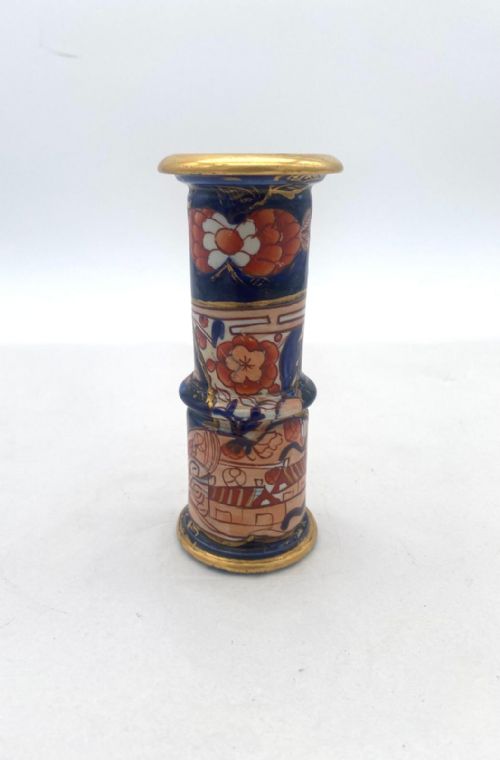
These pieces sold as antique porcelain house items range from architectural models and spill vases to decorative ornaments originating across various centuries.
Antique Porcelain House
When searching for an antique porcelain house, buyers encounter various ceramic forms including Staffordshire cottages, spill vases styled as school houses, and architectural porcelain figures. The pieces on this page span several periods, most notably the nineteenth century, alongside Georgian and Regency eras.
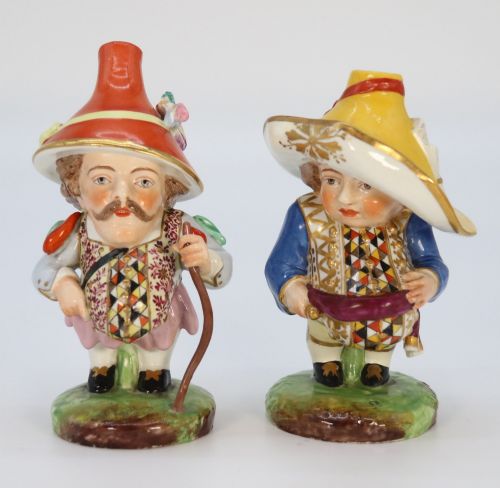
Makers like Samson of Paris and Chamberlains Worcester appear among the listings, alongside earthenware plates bearing school house patterns and large country house vases.
Materials and construction methods
The construction relies primarily on porcelain and earthenware bodies shaped into architectural and figurative forms, often enhanced with hand-painted underglaze blue and polychrome enamels. Gold leaf and coloured glazes appear on select decorative items to accentuate fine details.
Mounts and structural elements incorporate metal, bamboo, and wood, particularly in items combining ceramic panels with cabinetry or housing frames. Kiln firing techniques determine the stability of the glaze and the vibrancy of the painted surface.
Antique Porcelain House Retail Price Guide 2026
Typical asking prices for porcelain house among the pieces listed under this phrase on Sellingantiques today, from the lower quarter to the upper quarter. They describe what is for sale here now, not the wider market.
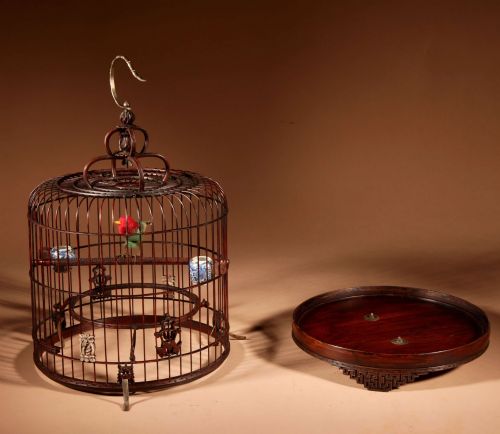
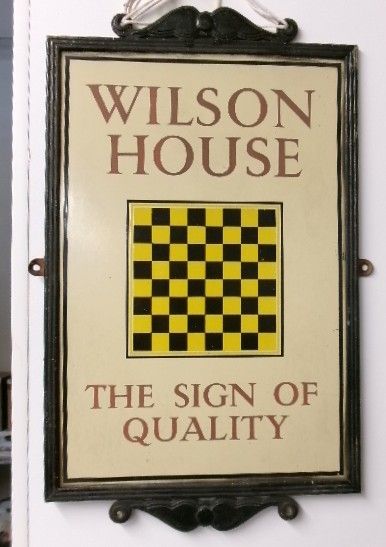
Objects include decorative bird cages, credenzas with porcelain panels, miniature furniture, and wall signs alongside traditional porcelain houses.
Factors determining quality
Provenance and attribution to established potteries or workshops influence the standing of a piece within its period. The preservation of original enamel work, glaze consistency, and any accompanying framing or mounts contribute to overall integrity.
Samson of Paris·Chamberlains Worcester·Masons
The Antique Porcelain House Glossary
- Spill vase
- A small ceramic vessel designed to hold taper spills used for lighting fires and candles. These often take the form of miniature buildings or architectural facades.
- Pastille burner
- A ceramic container used for burning scented pastilles to deodorise rooms. These frequently resemble miniature cottages and houses with perforated chimneys for smoke release.
- Staffordshire cottage
- A model house produced by potteries in the Staffordshire region, often functioning as a pastille burner or chimney ornament. They reflect nineteenth-century domestic architecture.
- Delftware
- Tin-glazed earthenware originating in the Netherlands and England, typically decorated in blue and white. Pieces include miniature furniture and plates.
- Ormolu
- Gilded bronze or brass mounts applied to furniture and decorative objects. This technique complements porcelain panels on nineteenth-century pieces.
Antique Porcelain House: Frequently Asked Questions
What is an antique porcelain house?
An antique porcelain house refers to ceramic items modelled on buildings, including Staffordshire cottages, school house spill vases, and architectural figures produced during the eighteenth and nineteenth centuries.
These objects served functional roles as pastille burners or spill holders alongside their decorative purpose as mantelpiece ornaments.
How were porcelain cottages used?
Porcelain cottages often functioned as pastille burners, where fragrant pastilles were placed inside and lit so scented smoke drifted through the chimneys.
Others served purely as decorative ornaments for domestic interiors during the Georgian and Victorian periods, displayed on mantelpieces and side tables.
How do I date a porcelain house?
Dating relies on examining the ceramic paste, glaze characteristics, and painting style characteristic of periods like the Regency or nineteenth century.
Maker marks, where present, help identify specific workshops such as Chamberlains Worcester or Samson of Paris, though many domestic earthenware pieces remain unmarked.
Where should I display these pieces?
These delicate ceramic items suit stable mantelpieces, display cabinets, or dedicated shelves away from heavy foot traffic and direct sunlight.
Pairing them with other nineteenth-century ceramics or placing them in well-lit studies allows the hand-painted details and blue and white glazes to stand out.