





Antique Porcelain Collection
An antique porcelain collection gathers together cabinet pieces, plates and figures spanning Georgian earthenware to Meiji ceramics.
Antique Porcelain Collection
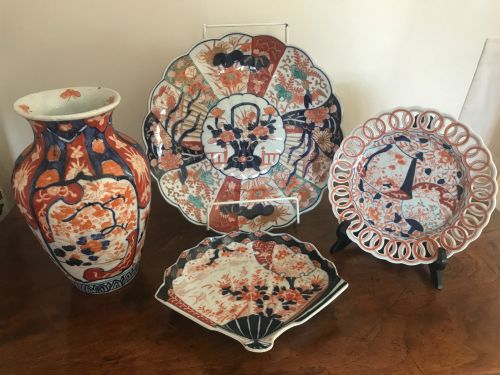
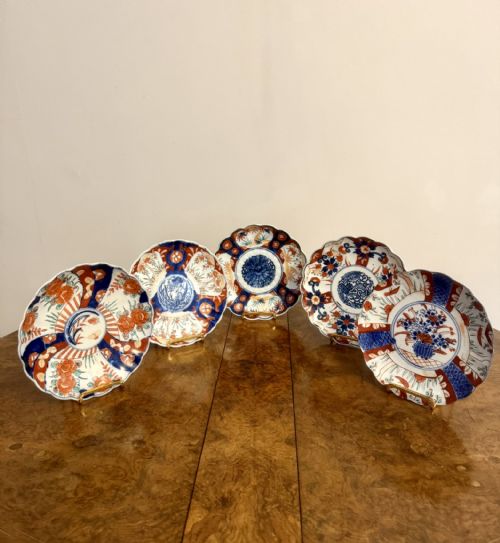
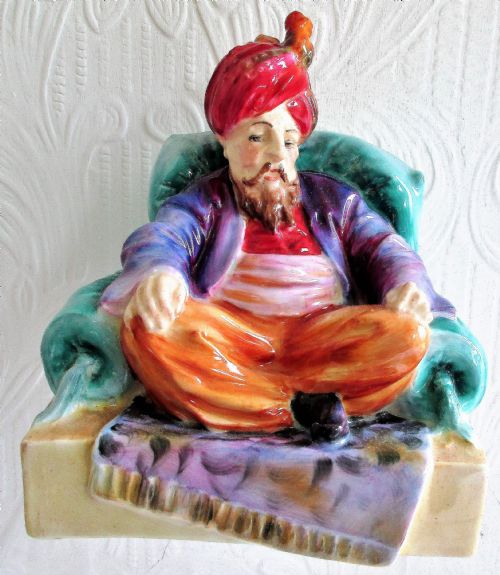
An antique porcelain collection brings together decorative objects, tableware and figures accumulated across periods ranging from the eighteenth century to the early twentieth century. When buyers search for an antique porcelain collection, they typically encounter groupings of Japanese Imari plates and vases alongside English Staffordshire figures and Worcester tableware.
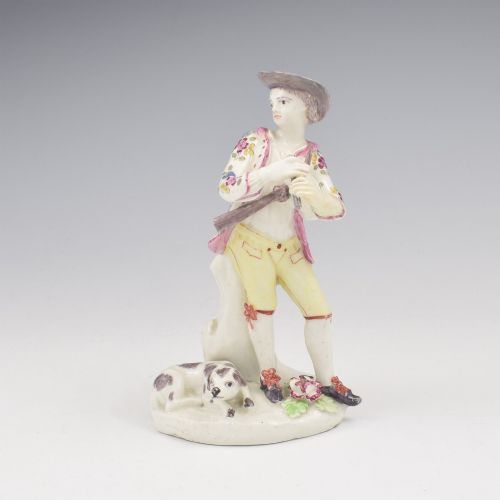
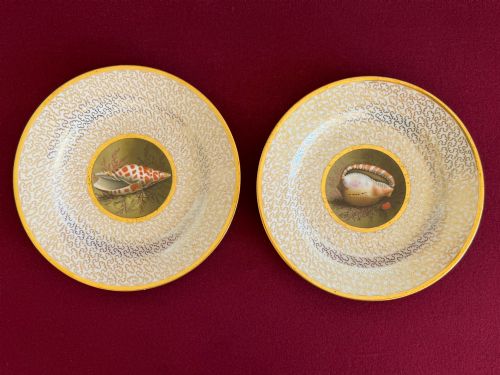
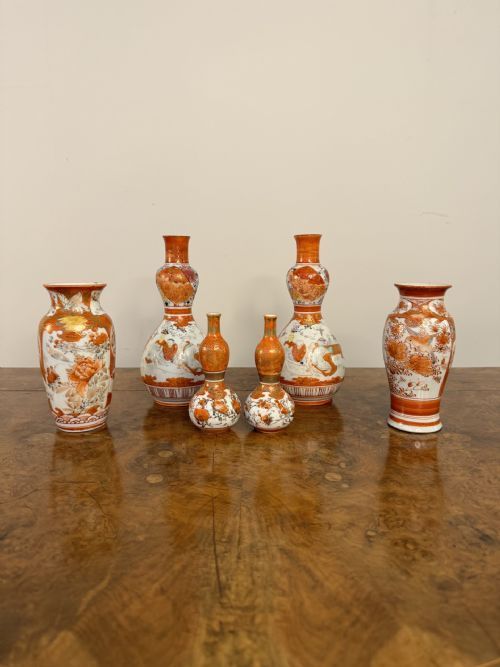
The objects span diverse forms including decorative plates, chargers, ginger jars, teabowls and seated spaniels. Many listings feature assembled sets of plates or matching vases rather than single standalone pieces.
Geographic origins vary widely within these assemblages, taking in English factories, Japanese kilns of the Edo and Meiji periods, and continental European porcelain houses. Buyers encounter everything from miniature Staffordshire vases to large Chinese chargers.
Materials and production methods
Potters shaped these pieces using ceramic paste, porcelain and earthenware, applying glaze and ceramic glaze to seal the bodies before firing in kilns. Many examples incorporate hand-painted details executed directly onto the ceramic surface.
Makers elevated the visual impact of their wares through the application of gold leaf, gilt and coloured enamel. These metallic and enamel additions required careful secondary firings to bond the decoration to the glazed body.
Antique Porcelain Collection Retail Price Guide 2026
Typical asking prices for porcelain collection among the pieces listed under this phrase on Sellingantiques today, from the lower quarter to the upper quarter. They describe what is for sale here now, not the wider market.
Materials recorded across the inventory include gold leaf, enamel, earthenware and ceramic glaze.
Distinctions in quality
Quality rests upon the precision of the hand-painted brushwork and the clarity of the enamel and gilt embellishments. Pieces bearing distinct factory marks or originating from documented makers command greater regard among collectors.
The uniformity of matching sets and the crispness of moulded details in figures and shaped dishes separate standard items from superior specimens.
Barr Flight and Barr·Royal Doulton·Thomas Wolfe·Herend·Doulton Lambeth
The Antique Porcelain Collection Glossary
- Imari
- A style of Japanese porcelain featuring distinctive underglaze blue and iron-red designs with additional gold highlights. This aesthetic proved highly popular for export during the Meiji period.
- Charger
- A large decorative plate intended primarily for display on a wall or sideboard rather than for service at table. These substantial pieces often showcase complex pictorial scenes.
- Fairing
- A small porcelain ceramic ornament, often humorous or domestic in subject, produced in Germany and popular in Victorian Britain. They were frequently sold at annual fairs.
- Teabowl
- A small handleless drinking vessel for tea, common in eighteenth-century porcelain production before the widespread adoption of handled cups. They often appear paired with matching saucers.
- Glaze
- A glassy coating fused to the ceramic body through kiln firing to render the piece impermeable and impart a smooth finish. It serves as the canvas for overglaze enamels and gilding.
Antique Porcelain Collection: Frequently Asked Questions
What is the difference between porcelain and earthenware?
Porcelain is fired at much higher temperatures, resulting in a vitrified, non-porous body that is often translucent when held to the light. Earthenware remains more porous and opaque.
Staffordshire figures and certain utilitarian vessels are typically earthenware, whereas fine tea wares and cabinet plates are made from porcelain.
How do I date an antique porcelain collection?
Examine the base of the piece for factory marks, painted ciphers or impressed stamps that correspond to known operating dates of the maker. Stylistic clues such as Regency shapes or Meiji period motifs also narrow down the era.
Consider the manufacturing technique and material composition, noting whether the body is soft-paste porcelain, hard-paste porcelain or earthenware.
Can I use antique plates for dining?
Most antique decorative plates and cabinet pieces are best reserved for display rather than daily dining use. Historic glazes may contain lead, and older ceramic bodies are vulnerable to thermal shock and cutlery scratching.
Sturdy nineteenth-century service wares can sometimes handle light use, but valuable hand-painted or gilt pieces risk permanent damage from modern food acids.