
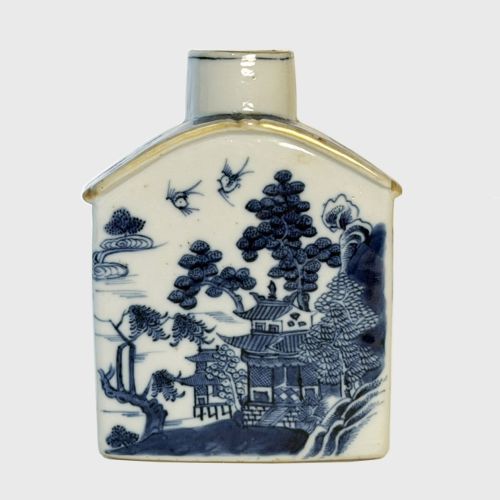


Antique Porcelain Caddy
An antique porcelain caddy is a small, lidded vessel designed to store dried leaves safely on the table, combining utility with decorative porcelain artistry.
Antique Porcelain Caddy
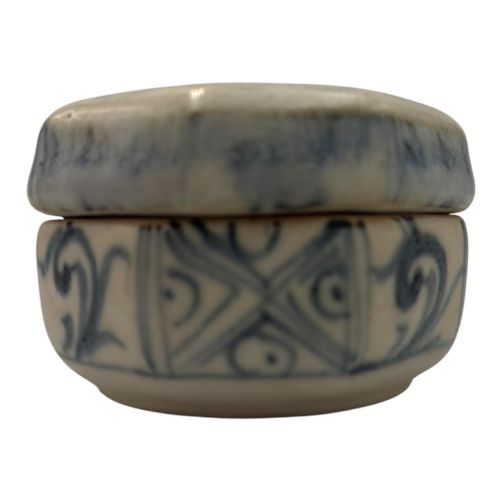
When you search for an antique porcelain caddy, you encounter forms ranging from eighteenth-century English canisters and Chinese export vessels to later Victorian and Edwardian biscuit barrels. These containers served to keep dry leaves secure and dry before tea became cheap and plentiful enough to leave on open display.
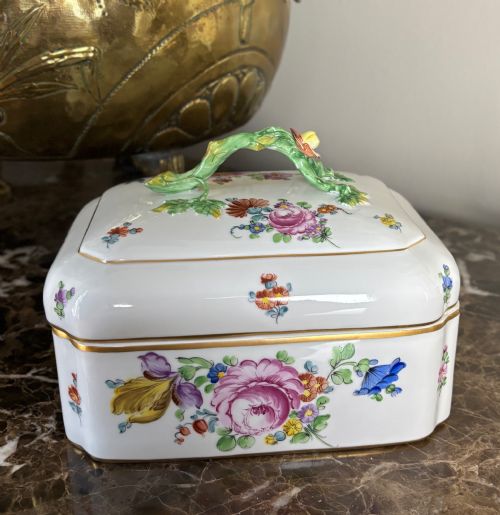
The pieces on this page span several centuries, crossing Georgian, Victorian, and Edwardian periods alongside Asian traditions such as Japanese Meiji and Chinese export wares. Alongside traditional tea canisters, you will find related storage forms including decorative boxes, ginger jars, and sugar boxes.
English factories dominate the domestic offerings, notably Worcester and Minton, often complemented by continental European works from Dresden and Samson. Far Eastern examples such as Satsuma and Kutani jars sit comfortably alongside these European pieces, showing how global trade shaped domestic interiors.
How they were made
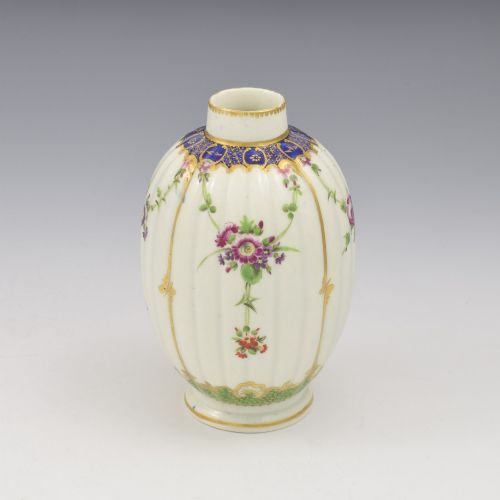
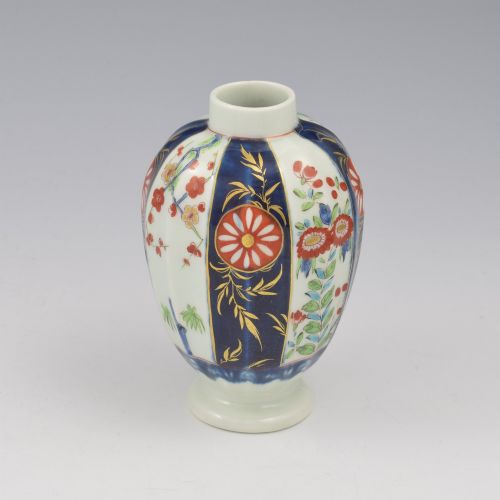
Makers shaped these vessels using porcelain, earthenware, and enamel, applying cobalt pigment and rich glazes before firing the ceramic bodies. Many pieces incorporate gold leaf or gilt highlights to frame painted scenes and botanical motifs.
Decoration relied on careful hand-painting, as seen in floral sprays and figurative panels applied across English tea canisters and Japanese jars. Some forms also integrated metalwork elements, pairing ceramic bodies with silver plate or burr walnut housings.
Listings feature pieces spanning the sixteenth century to the 1920s, employing porcelain, earthenware, enamel, and gold leaf.
What varies in quality
The distinction between ordinary and exceptional pieces lies in the crispness of the porcelain moulding and the skill of the hand-painted decoration. Finer examples display precise brushwork and well-defined cobalt or polychrome pigments that remain sharp across the glazed surface.
The preservation of original gilding and the intact survival of matching lids heavily influence the overall standard of a piece. Later additions or heavily rubbed gilt work reduce the visual harmony of the vessel.
Dr Wall Worcester·Carlton Ware·Tokyo Taizan·Herend·Minton·Samson
The Antique Porcelain Caddy Glossary
- Tea canister
- A straight-sided or panelled vessel designed specifically to hold loose leaves before infusion. These early containers pre-date the standard caddy box.
- Biscuit barrel
- A covered ceramic container used for storing dry biscuits on the parlour table during the Victorian and Edwardian eras. They frequently feature plated mounts and swing handles.
- First Period Worcester
- The early phase of the Worcester porcelain factory, operating in the eighteenth century and noted for fine paste and cobalt blue painting. Collectors prize these pieces for their historical importance.
- Chinese Export
- Porcelain manufactured in China specifically for Western markets, often using European shapes and heraldic designs. These items bridge Eastern potting traditions and Western tastes.
- Satsuma
- Japanese pottery with a crackled ivory glaze decorated with polychrome enamels and gold. These wares became popular in the West during the Meiji period.
Antique Porcelain Caddy: Frequently Asked Questions
What is an antique porcelain caddy?
An antique porcelain caddy is a small lidded vessel made to hold dried leaves securely in domestic settings. They emerged when tea was an expensive commodity requiring careful storage.
These vessels take various forms, from eighteenth-century canisters to later decorative boxes and biscuit barrels across different periods.
How do I date an antique caddy?
Dating relies on examining the factory marks, glaze characteristics, and stylistic conventions present on the ceramic body. Eighteenth-century pieces often show different paste compositions compared to Victorian or Edwardian examples.
Comparing the painted motifs and decorative styles to known periods helps narrow down the decade of manufacture.
How were these caddies used?
Households used these vessels to store precious dry leaves away from moisture and odours before they were measured out for brewing. The lids helped preserve the aroma of the contents.
Later forms expanded this storage role to biscuits and sweetmeats for formal entertaining rooms.
How do I care for porcelain?
Keep porcelain caddies away from direct sunlight and areas subject to sudden temperature fluctuations to protect the glaze and any applied gilt. Dust them gently with a dry, soft cloth.
Avoid using abrasive cleaners or submerging pieces with metallic mounts or delicate enamel work in water.