


Antique Polychrome Relief
These antique polychrome relief works combine carved form with applied colour, offering rich textures and historic narratives that reward closer inspection.
Antique Polychrome Relief
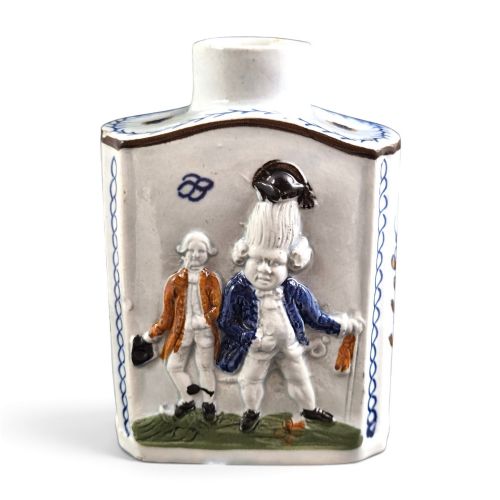
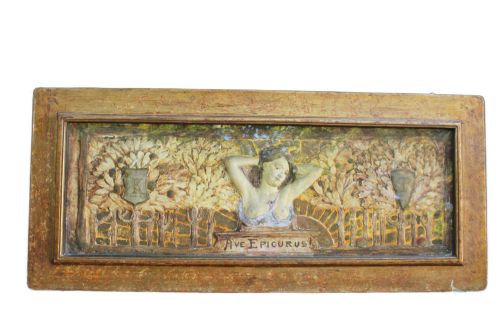
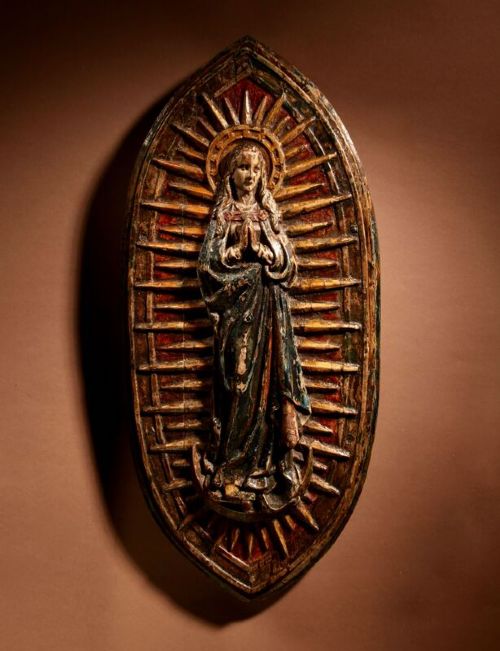
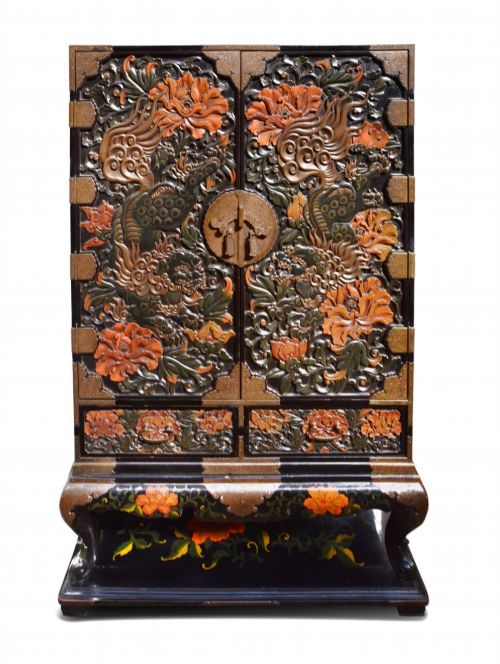
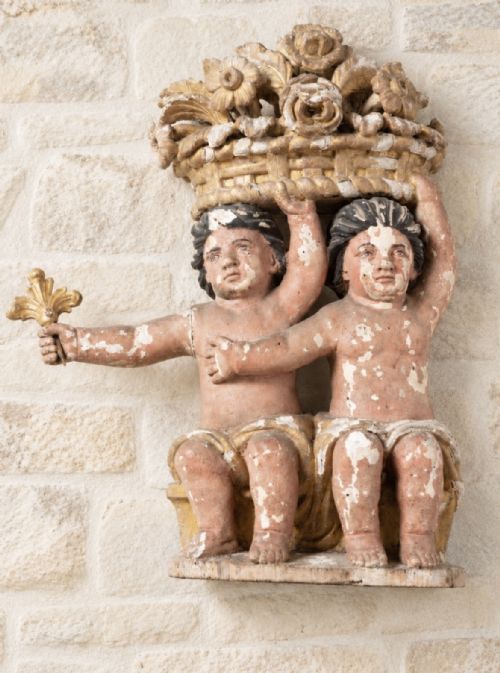
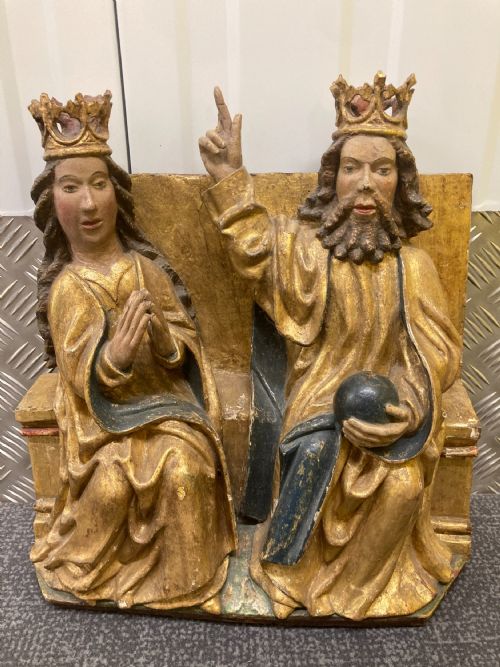
When you search for antique polychrome relief, you encounter works that project outward from a flat background, bringing depth and vivid pigment to historical subjects. The selection spans centuries of craftsmanship, from sixteenth-century religious panels to nineteenth-century decorative carvings.
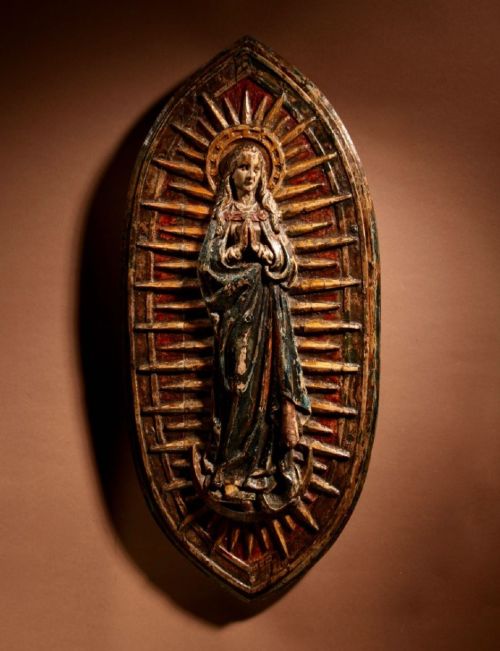
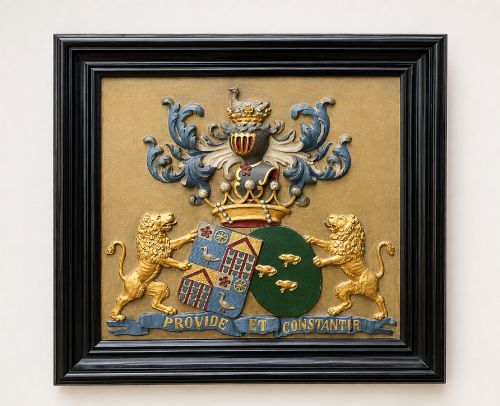
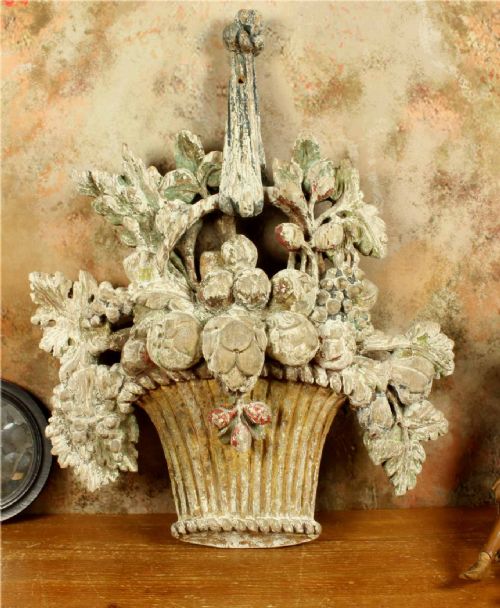
You will frequently find wooden panels, altarpiece fragments, and wall plaques shaped by carvers and finished with colourful paint, gesso, or gold leaf. These pieces capture devotional scenes, heraldic markers, and cultural motifs across diverse stylistic traditions.
How They Were Made
Maker's workshops relied primarily on hardwoods like oak, shaping figures and backgrounds through deep carving before applying priming layers. Gesso provided a smooth foundation for subsequent decoration.
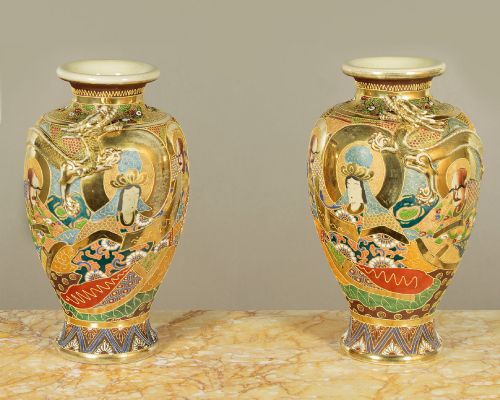
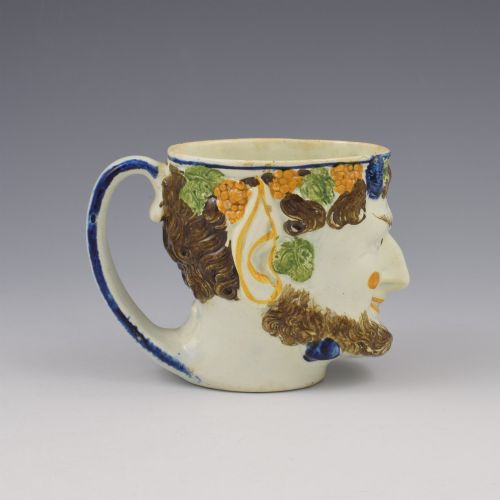
Listings span periods from the 16th century through the 19th century, utilising carved wood, porcelain, gesso, and gold leaf.
What Varies in Quality
The distinction between ordinary and exceptional pieces lies in the crispness of the initial carving and the survival of the original surface pigments. Superior examples retain their early polychromy intact, showing subtle modulation in tone rather than heavy modern repainting.
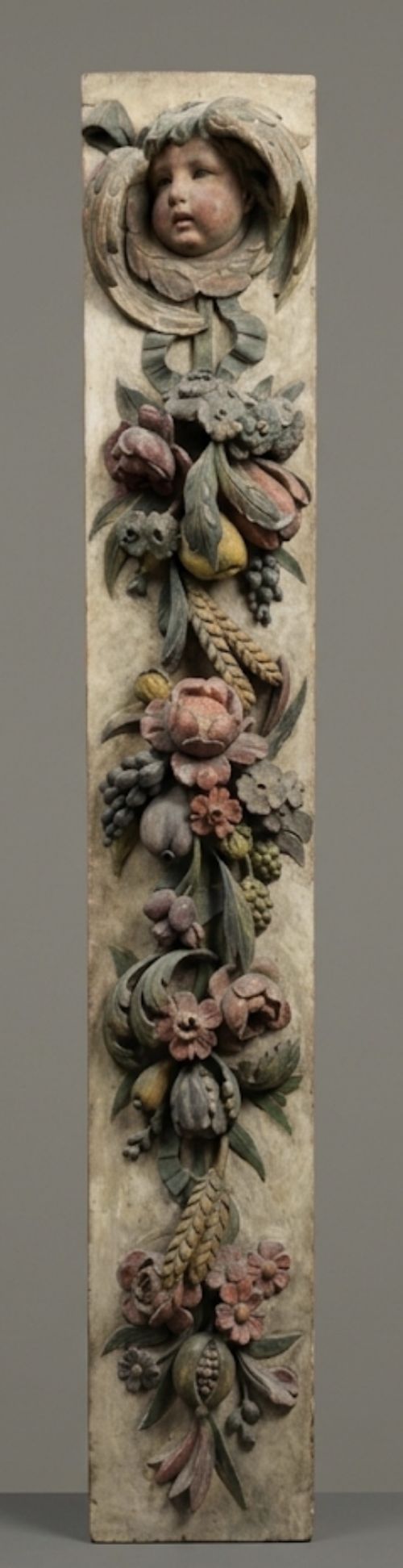
Depth of relief also dictates quality, with high-relief elements achieving a strong, dynamic silhouette against the backing panel. Finer works display confident chisel control and delicate facial expressions that elevate narrative clarity.
The Antique Polychrome Relief Glossary
- Polychrome
- Decorated in a variety of colours. This term describes surfaces painted or glazed with multiple pigments.
- Relief
- Sculptural technique where the sculpted elements remain attached to a solid background of the same material. High relief projects significantly from the plane.
- Gesso
- A plaster mixture used as a smooth base for painting on wood or other surfaces. It often receives gilding or polychrome layers.
- Gold Leaf
- Gold beaten into extremely thin sheets used for gilding. It provides luminous highlights on carved wooden panels and frames.
- Heraldic
- Relating to coats of arms and genealogy. Heraldic plaques record family lineages and alliances.
Antique Polychrome Relief: Frequently Asked Questions
What is an antique polychrome relief?
An antique polychrome relief is a carved sculptural work where figures or patterns project from a background surface and feature historic painted decoration. These pieces include wall plaques, architectural fragments, and devotional panels from various centuries.
They combine three-dimensional carving with coloured pigments, gesso, or gold leaf to create visually engaging narrative scenes. The style ranges from medieval religious art to nineteenth-century decorative panels.
How were these wall panels used originally?
Many early polychrome reliefs functioned as central panels for altarpieces in churches or served as decorative wall fixtures in domestic interiors. Religious carvings depicted saints, biblical events, and devotional figures to inspire contemplation.
Secular examples often recorded marriages, family lineage through heraldry, or cultural motifs. Their purpose combined architectural adornment with storytelling and commemoration.
How should I care for a painted wooden relief?
Wooden reliefs with historic paint layers require stable indoor humidity and protection from direct sunlight to prevent cracking or pigment fading. Dusting should be done gently with a dry, soft brush without applying liquid cleaners.
Avoiding extreme temperature fluctuations ensures the wood base and the gesso or paint layers remain stable over time. Professional conservation advice helps preserve vulnerable gilded or painted surfaces.
How do I identify the period of a carved panel?
Dating relies on examining the tool marks left by the carver, the species of wood used, and the composition of the underlying gesso. Stylistic markers such as Gothic drapery folds or Renaissance facial proportions offer clear chronological clues.
Wear patterns, pigment analysis, and construction methods further help distinguish sixteenth-century religious work from later nineteenth-century revivals.