


Antique Pocket Watch Clasp
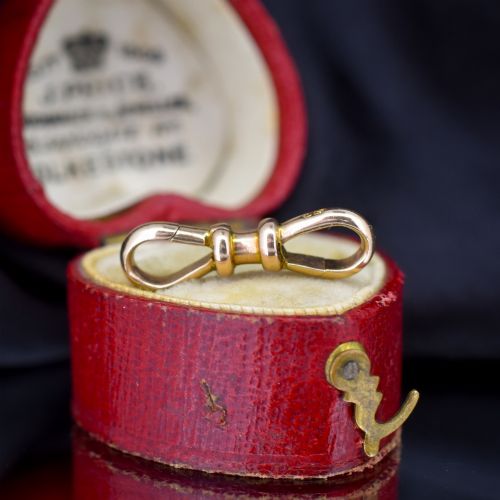
An antique pocket watch clasp secures a traditional chain, offering a functional fastening that collectors now wear as jewellery.
Antique Pocket Watch Clasp
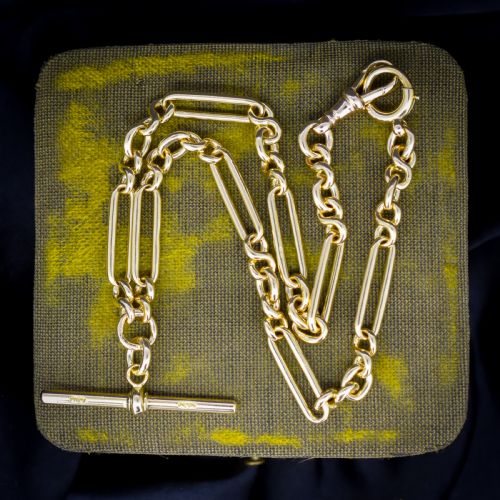
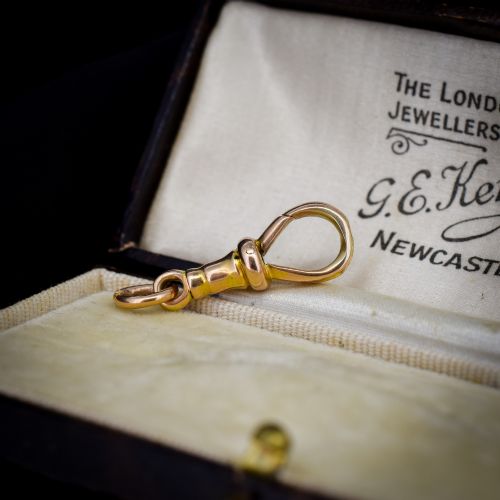
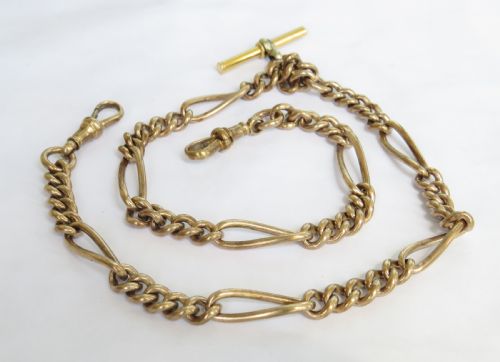
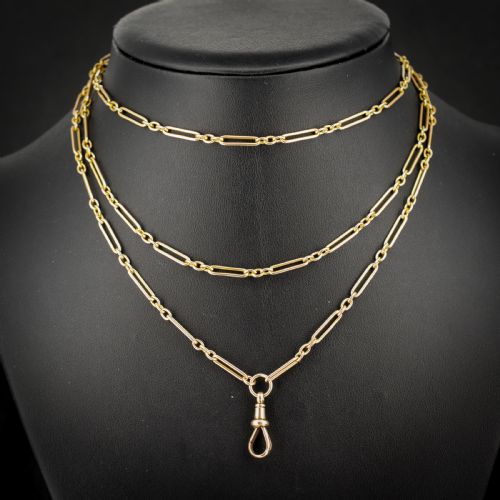
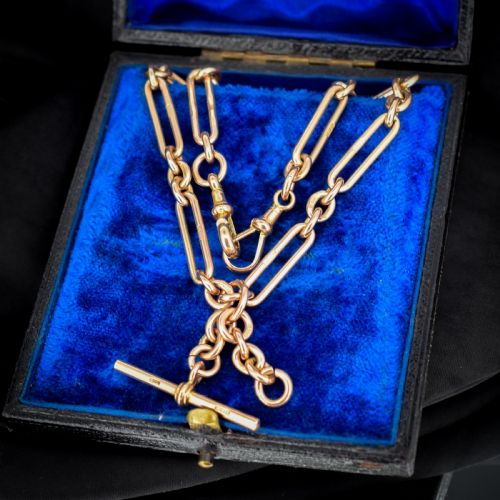
An antique pocket watch clasp typically appears as a dog clip or swivel mechanism attached to watch chains and albert chains. When searching for an antique pocket watch clasp, a buyer encounters fasteners originally designed to secure timepieces to waistcoats or garments.
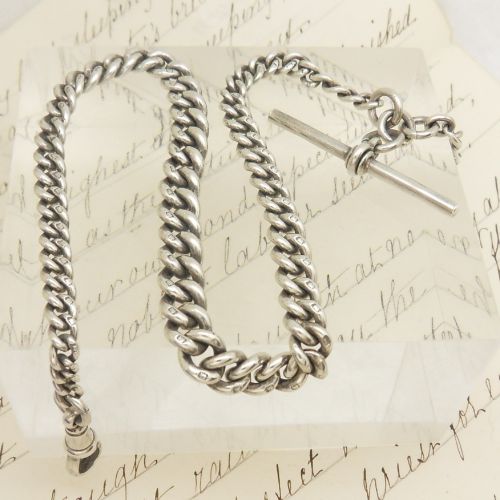
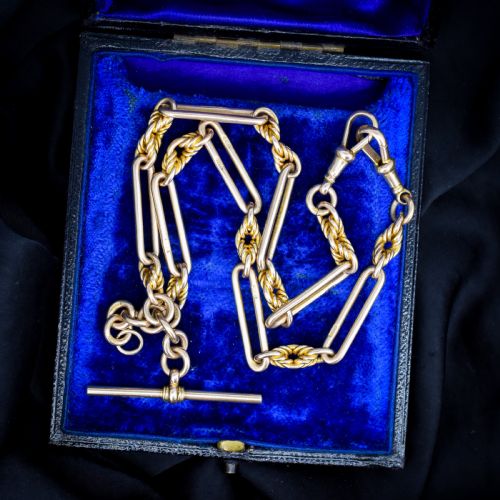
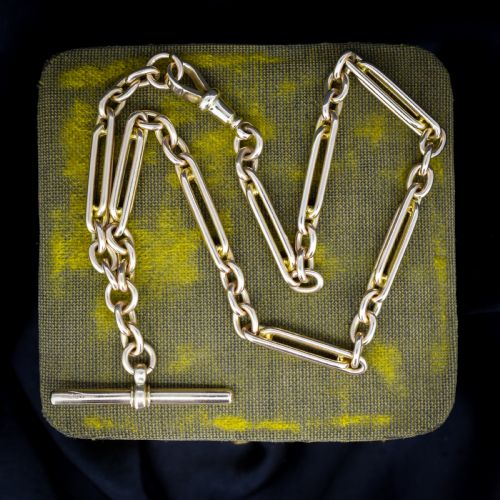
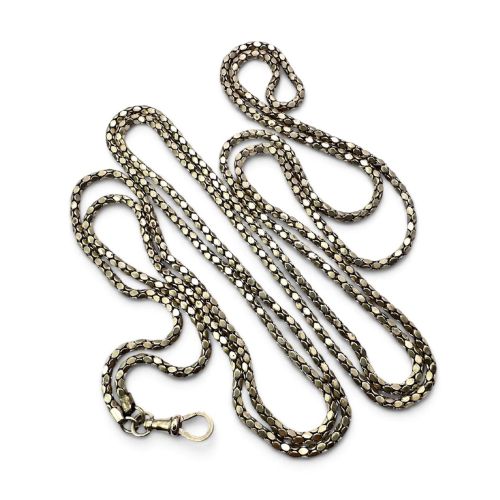
The pieces on this page originate from the nineteenth century, the Victorian era, and the early twentieth century, spanning periods up to the nineteen-twenties. These mechanisms frequently survive attached to longer chains, guard chains, and necklaces rather than appearing in isolation.
Makers fashioned these fasteners in various forms, including dog clips, swivel clasps, and bolt rings. They serve equally well today as secure connectors for pendants or worn directly as shorter neck chains.
Materials and construction
Goldsmiths utilised yellow gold, rose gold, white gold, and sterling silver to fabricate these clasps and their associated chains. Alloys such as nine carat, fifteen carat, and eighteen carat gold appear frequently alongside rolled gold and silver.
Mechanisms rely on internal spring steel blades housed within hollow or solid cast bodies to maintain tension on the pivoting tongue. Artisans shaped these components by hand, integrating swivel loops that prevented the attached watch chain from kinking during daily use.
Assessing quality
Quality rests upon the crispness of the mechanism and the resilience of the internal spring. A superior clasp snaps shut with a firm action and shows minimal lateral play in the hinge or swivel joint.
The choice of precious metal and the clarity of any assay marks or stamps further distinguish the tier of a piece. Substantial gauge metal and well-defined chasing elevate an ordinary fastening into a refined example of period metalwork.
The Antique Pocket Watch Clasp Glossary
- Dog clip
- A spring-loaded clasp featuring a pivoting tongue, originally used to secure a pocket watch to a waistcoat buttonhole.
- Swivel clasp
- A fastening fitted with a rotating circular base that prevents chains from twisting during wear.
- Albert chain
- A heavy watch chain designed to be worn across a garment, often fitted with a T-bar at one end and a clasp at the other.
- Guard chain
- An exceptionally long chain worn around the neck, frequently suspending a watch or charm from a central clasp.
- Bolt ring
- A circular spring ring fastener operated by pulling a small protruding pin against internal tension.
Antique Pocket Watch Clasp: Frequently Asked Questions
How do I wear a pocket watch clasp today?
These clasps are commonly worn by attaching them to short lengths of antique chain as a necklace centrepiece. They also serve to suspend charms and lockets.
Alternatively, you can link the clasp directly to another section of chain to alter the overall drop and styling of a vintage necklace.
What is the difference between a dog clip and a swivel clasp?
A dog clip operates with an outward-opening spring tongue shaped like a small hook. It provides a secure attachment point for pocket watches and fobs.
A swivel clasp incorporates a rotating loop at the base, which stops the attached chain from twisting and kinking while worn.
How can I date my watch chain clasp?
Dating relies heavily on style, metal purity hallmarks, and manufacturing techniques. Victorian examples often feature distinct rose gold alloys and hand-carved detailing.
Later pieces from the Edwardian era and nineteen-twenties tend to display lighter proportions or platinum highlights alongside standard gold hallmarks.
Were these clasps made from solid gold?
Many examples utilise solid gold, ranging from nine carat up to eighteen carat, while others consist of silver or rolled gold over a base metal core.
Hallmarks and stamps stamped onto the loop or body typically indicate the specific metal purity used by the maker.