



Antique Pocket Medal
An antique pocket medal is a piece of personal history, most often worn on a watch chain to mark a sporting triumph or civic milestone.
Antique Pocket Medal
When you search for an antique pocket medal, you encounter small metal awards designed to be attached to watch chains and alberts. These pieces commemorate athletic wins, club memberships, and personal achievements across several decades.
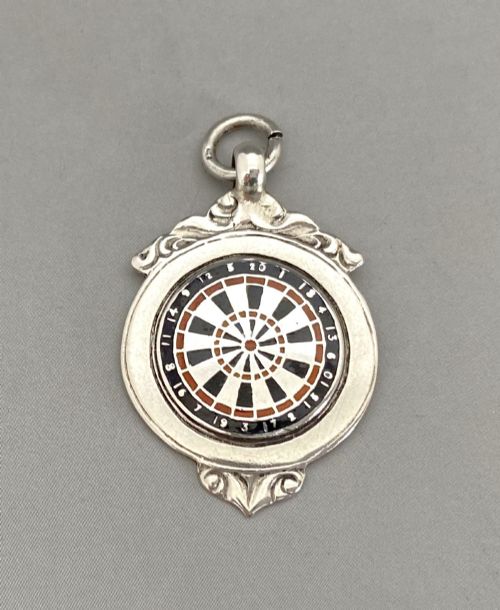
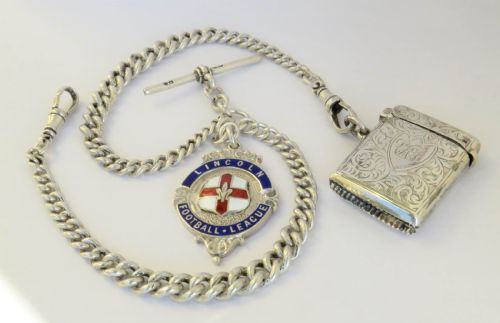
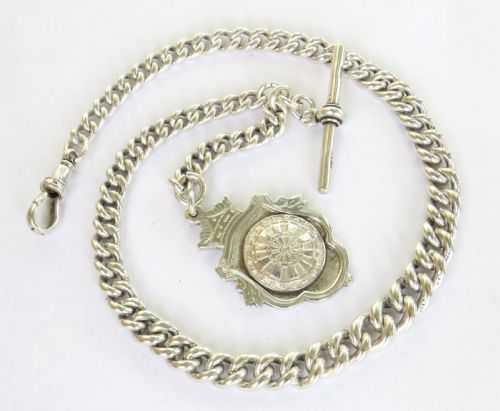
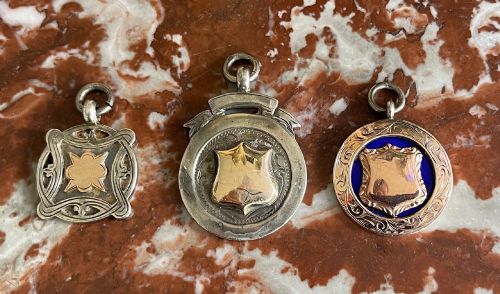
The versions most frequently met on this page date from the late Victorian era through to the Art Deco period, spanning sterling silver and gold constructions. Many incorporate vibrant enamel work or specific motifs such as darts boards and tennis rackets.
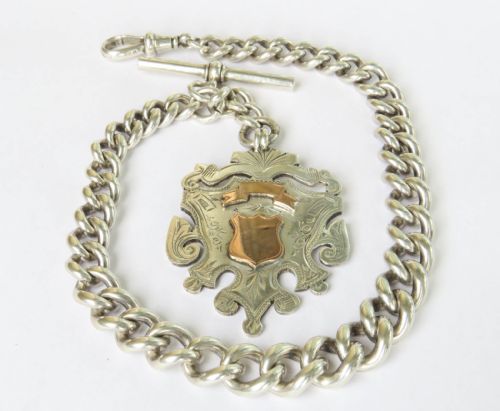
Most examples function as pendants or fobs paired with pocket watch chains, though standalone sovereign cases and watch accessories also appear. They reflect the competitive spirit and social clubs of the late nineteenth and early twentieth centuries.
Materials and construction
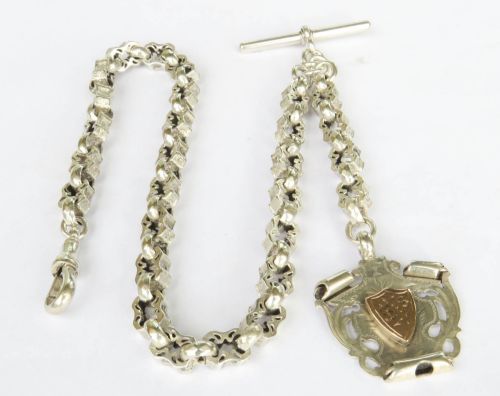
Makers fashioned these pieces primarily from sterling silver and gold, often adding rose gold details or enamel to highlight specific club colours and decorative motifs. Hallmarks stamped into the metal indicate the assay office and the year of production.
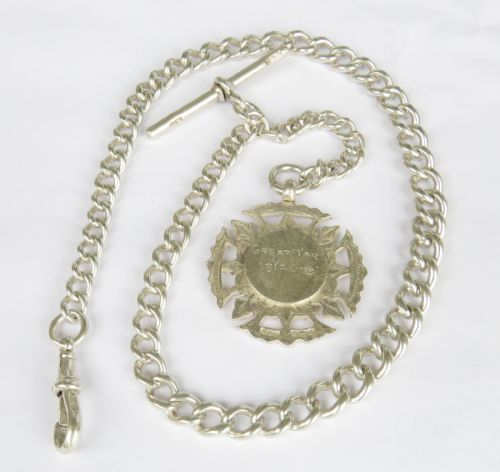
Techniques combine cast or stamped metal bases with hand-applied vitreous enamel and engraved lettering. Skilled artisans engraved recipient names and dates onto the reverse surfaces of the medallions, personalising each award for the original owner.
Antique Pocket Medal Retail Price Guide 2026
Typical asking prices for pocket medal among the pieces listed under this phrase on Sellingantiques today, from the lower quarter to the upper quarter. They describe what is for sale here now, not the wider market.
Materials recorded across the inventory include solid gold, rose gold details, silver plate, and nickel alongside traditional sterling silver.
Distinctions in quality
The standard of craftsmanship shows most clearly in the crispness of the engraving and the complexity of the metalwork. Pieces featuring hand-cut floral patterns or intricate sports scenes display a higher level of artisan skill than mass-produced stamped blanks.
The preservation of the coloured enamel and the clarity of the silver hallmarks dictate the overall desirability of the piece. Intact, undamaged enamel work combined with heavy, substantial metal weight separates superior examples from lighter, plainer items.
The Antique Pocket Medal Glossary
- Albert chain
- A type of pocket watch chain named after Prince Albert, designed to stretch across a waistcoat. These chains often support medals and fobs.
- Sovereign case
- A small, hinged container made to hold British gold sovereign coins. They frequently attach to watch chains alongside medals.
- Hallmark
- A series of official marks stamped on precious metals indicating the purity, maker, and year of testing. These stamps provide reliable dating for silver and gold items.
- Vitreous enamel
- A material made by fusing powdered glass to a metallic substrate at high temperatures. It provides durable, glossy colour on medals and fobs.
- Watch fob
- An ornamental pendant attached to a pocket watch chain. Fobs serve a decorative function and often record specific sporting victories.
Antique Pocket Medal: Frequently Asked Questions
How were pocket medals worn?
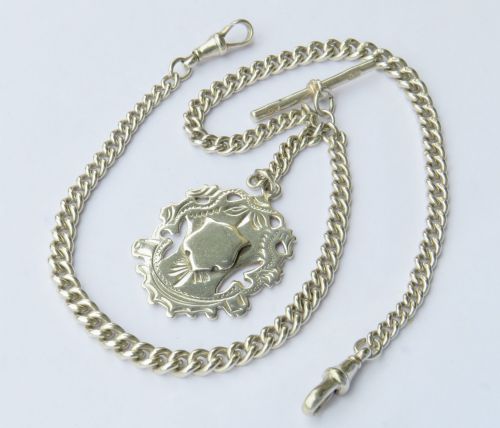
These medals were typically attached to an albert or pocket watch chain using a small spring ring or swivel clip. The chain itself looped through a buttonhole on a waistcoat.
Owners often grouped multiple fobs and medals from different clubs or events along a single heavy silver chain. This created a visible display of their personal history and achievements.
What materials are used?
Sterling silver and various grades of gold, including rose gold, form the primary structure of these pieces. Many examples incorporate coloured enamel to represent club or sporting colours.
Assay office stamps and date letters are usually marked directly onto the metal surface. These hallmarks confirm the material purity and the year the piece was struck.
How do I date a medal?
Dating relies heavily on the silver or gold hallmarks stamped into the metal, which correspond to specific assay office date letters. Stylistic clues such as Art Deco geometry or Victorian flourishes also help narrow the era.
Many pieces feature hand-engraved inscriptions naming the recipient, sport, and year of the event. These contemporary inscriptions provide an exact year for the award.