


Antique Plinth Base
An antique plinth base anchors heavy furniture and sculpture with solid dignity.
Antique Plinth Base
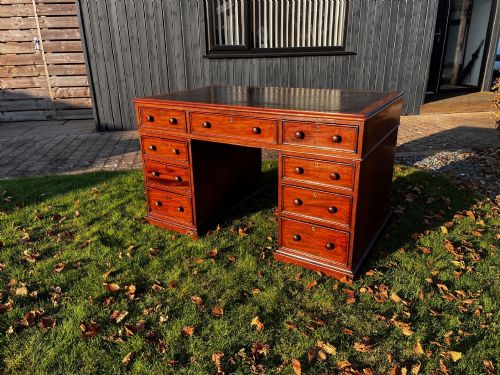
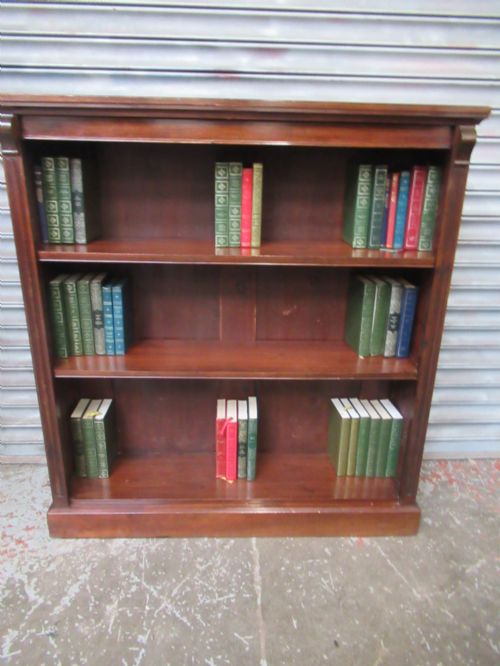
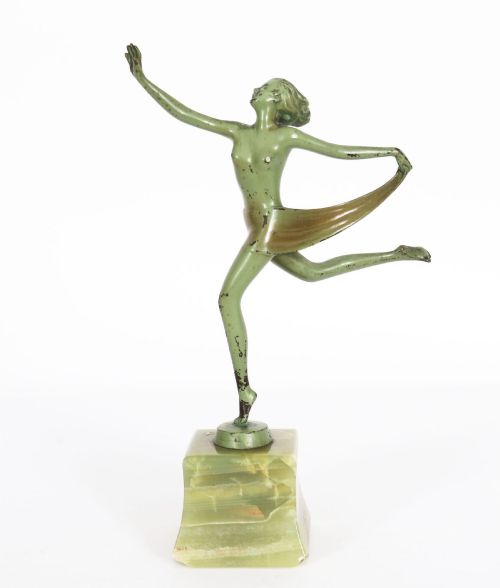
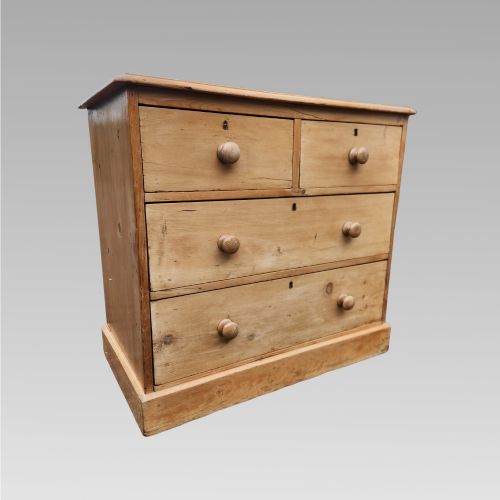
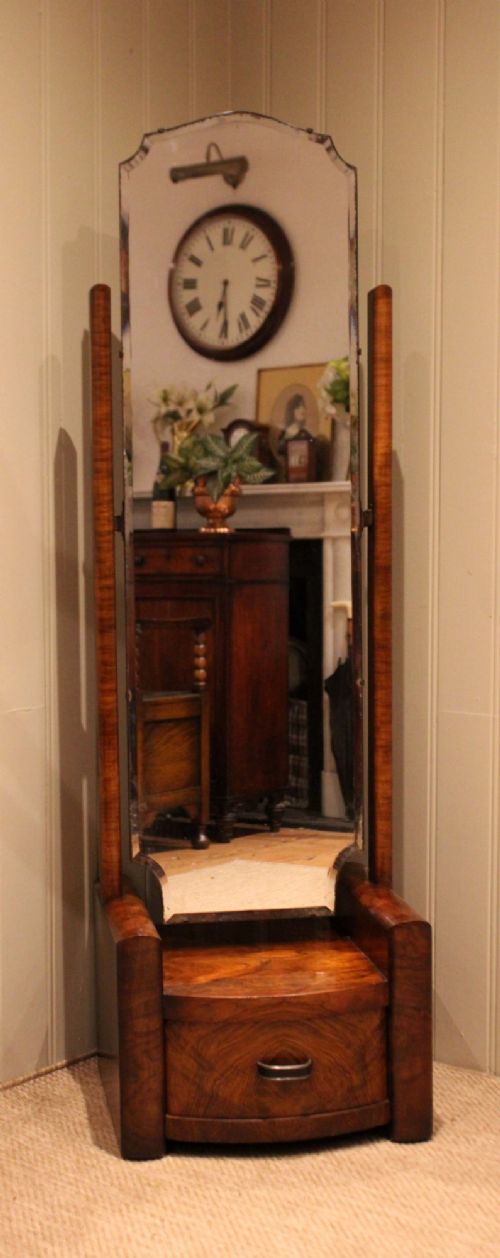
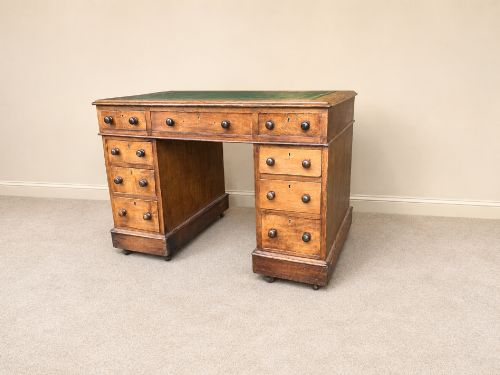
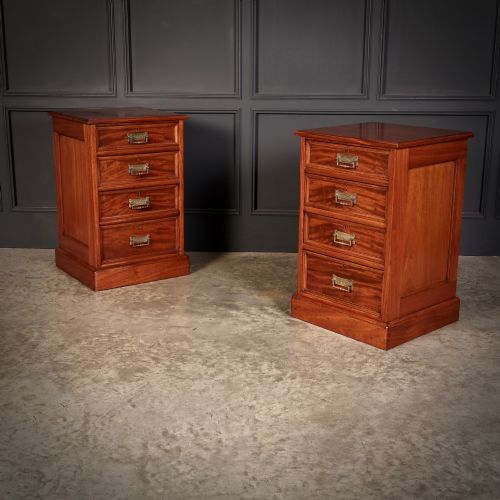
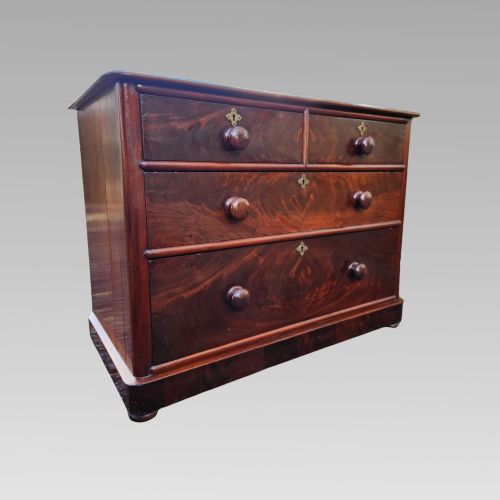
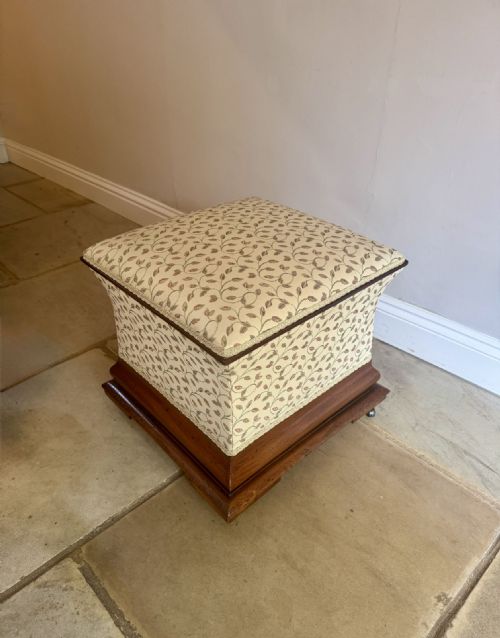
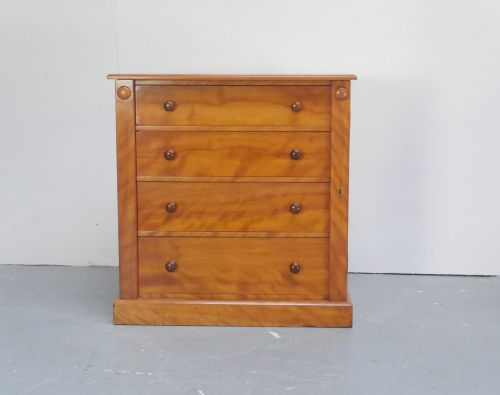
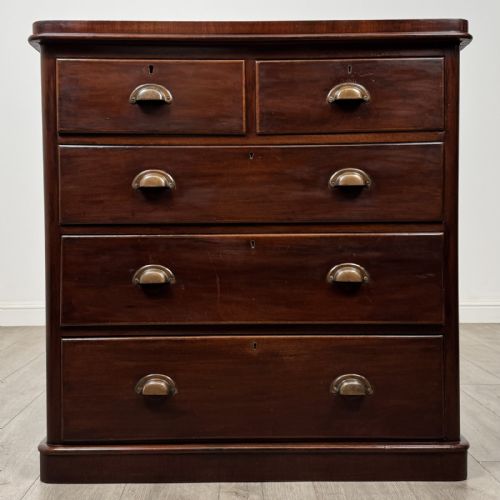
When you search for an antique plinth base, you encounter substantial furniture and display pieces built with a solid, flat foundation rather than raised legs. These forms include mahogany bookcases, chests of drawers, pedestal desks, and sculptural bronzes mounted on marble blocks.
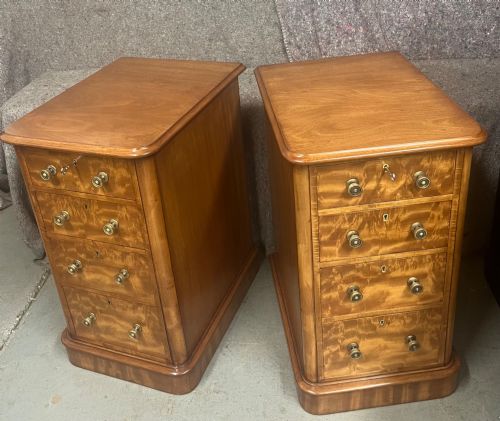
The version you are most likely to meet on this page is the Victorian mahogany chest of drawers or open bookcase resting firmly on a low, block foot structure. Such pieces span the nineteenth century, including William IV and Georgian eras, alongside decorative bronzes and composite stone garden plinths.
How they were made
Cabinet makers constructed these frameworks using solid timbers and veneers like mahogany, walnut, and satinwood, often applying flame mahogany veneer to large flat surfaces. Drawers and casework rely on traditional joinery, housing brass cup handles, inlaid details, and polished leather surfaces.
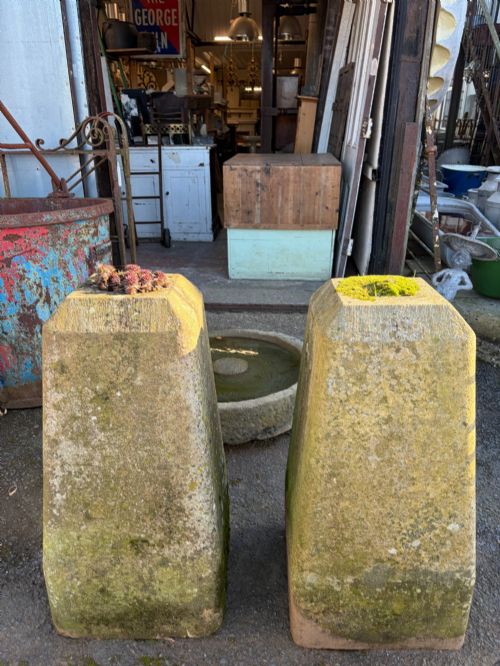
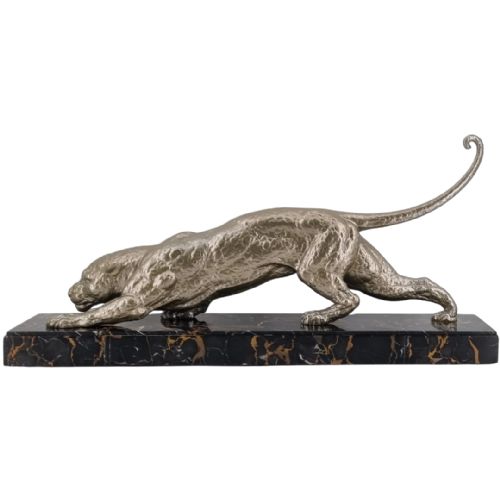
Sculptural elements combine cast bronze and French bronze figures with heavy bases carved from Siena marble and regular marble. Garden and architectural elements utilise composite stone and cast stone to create solid altars and plinths.
Antique Plinth Base Retail Price Guide 2026
Typical asking prices for plinth base among the pieces listed under this phrase on Sellingantiques today, from the lower quarter to the upper quarter. They describe what is for sale here now, not the wider market.
Several bronze sculptures depict animals standing on rocks, including hunting panthers and dogs sharing space with heavy stone plinths.
What varies in quality
The standard of a piece rests in the choice of timber figure, such as the depth and movement within flame mahogany and burr walnut veneers. Cabinet work showing precise proportions and retaining original handles distinguishes superior examples from simpler utilitarian items.
In sculptural objects, the crispness of the bronze casting and the richness of the underlying marble or Siena marble base dictate the overall standing. Heavier scale and careful matching of timber grains across large surfaces elevate bookcases and chests of drawers.
Heal And Son·D H Chiparus·Carl Kauba·Josef Lorenzl
The Antique Plinth Base Glossary
- Plinth base
- A solid, low block foundation supporting a cabinet, bookcase, or sculpture instead of raised legs.
- Flame mahogany veneer
- A sliced timber finish displaying a flamelike, rippling grain pattern applied to primary surfaces.
- Siena marble
- A yellow-gold decorative marble variety with dark veining, frequently utilised for nineteenth-century sculpture bases.
- Animalier
- A nineteenth-century artistic style focusing on realistic depictions of animals, often rendered in cast bronze.
- Wellington chest
- A tall, narrow chest of drawers secured by a vertical locking stile hinged on one side.
Antique Plinth Base: Frequently Asked Questions
What is an antique plinth base?
A plinth base is the flat, solid foundation block at the bottom of a piece of furniture or sculpture, replacing traditional legs.
These sturdy architectural footings provide a grounded silhouette seen on nineteenth-century bookcases, desks, and heavy bronze figures.
How do I date a mahogany bookcase?
Dating relies on observing construction methods, timber selection, and overall stylistic details relative to the Georgian and Victorian periods.
Early nineteenth-century examples often display simpler open shelving formats, while later Victorian versions incorporate plinth bases and more elaborate mouldings.
Where should I place a bronze sculpture?
Bronze sculptures set on marble plinths require stable surfaces away from excessive moisture and direct sunlight.
Placing them on desks, pedestals, or low cabinets allows proper appreciation of the cast metal details and stone bases.
How do I care for flame mahogany?
Flame mahogany surfaces benefit from regular dusting with a soft cloth and occasional light waxing to maintain the grain's depth.
Keeping wooden furniture away from direct heat sources prevents the veneer from drying out or splitting.