


Antique Plinth Base Table
An antique plinth base table anchors a room with solid proportion and weight.
Antique Plinth Base Table
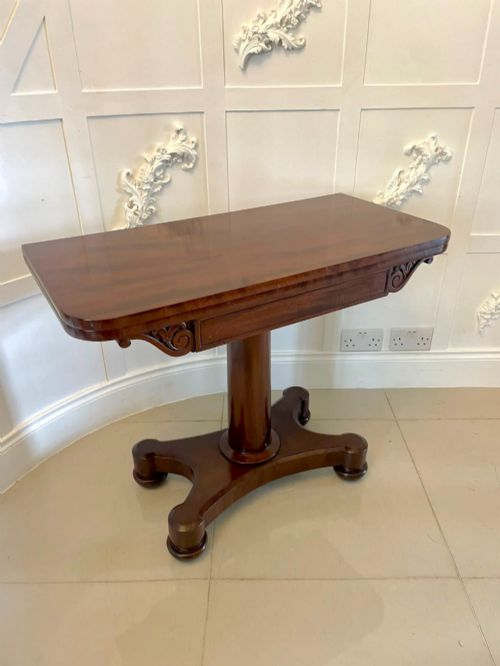
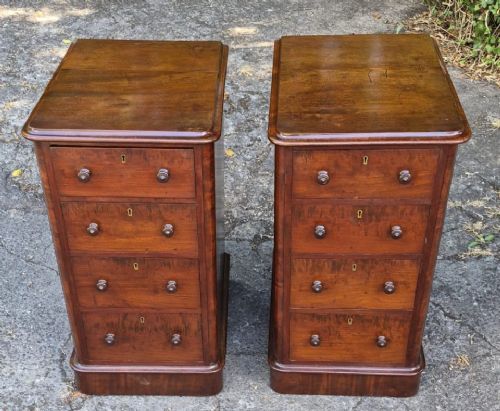
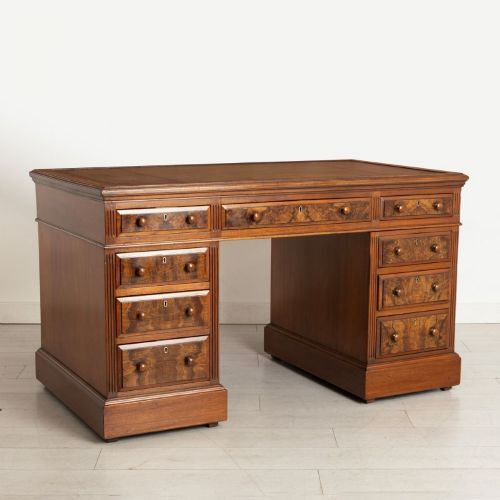
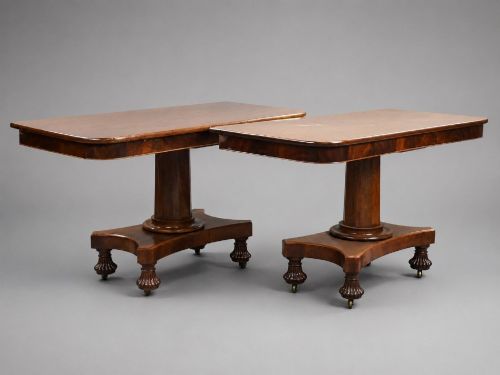
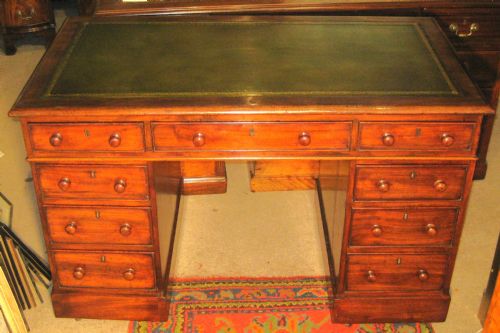
When you search for an antique plinth base table, you encounter robust forms designed to ground heavy items or centre a space. The evidence shows these pieces span pedestal desks, writing tables, and bedside cabinets resting upon solid footings rather than slender legs.
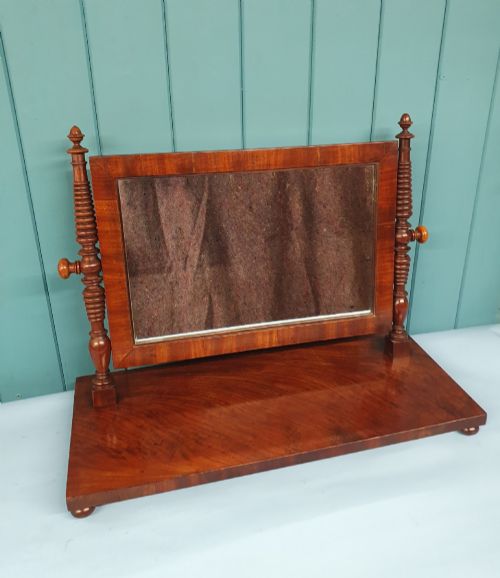
Victorian and nineteenth-century examples dominate the offerings, constructed primarily in mahogany, walnut, and oak. These heavy timbers provide the structural integrity required to support the substantial plinth construction characteristic of the period.
Materials and construction
Cabinet makers utilised dense hardwoods such as mahogany and walnut, frequently selecting burr veneers to add rich grain patterns to flat surfaces. Solid timber forms the structural core of the plinth bases, ensuring durability and stability.
Secondary materials like marble, brass, and bronze appear as supportive elements or decorative mounts, particularly on sculptural and desk bases. Joinery relies on traditional techniques to attach heavy pedestals securely to the upper portions of the furniture.
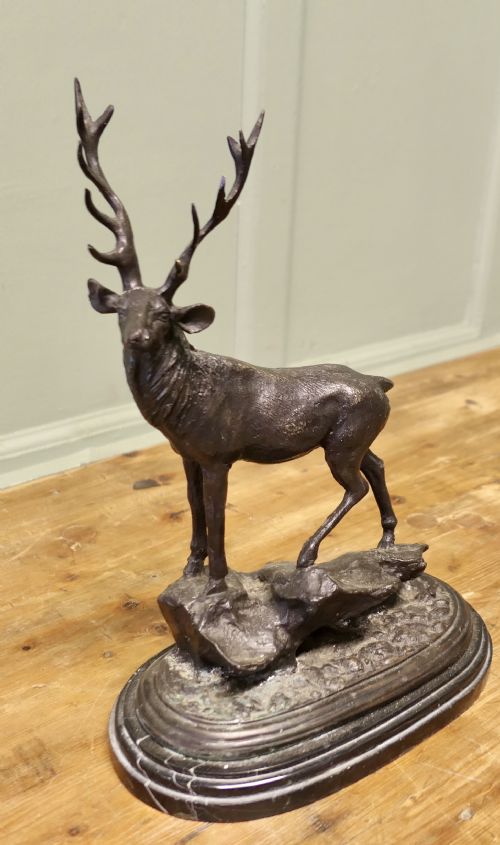
Several pieces feature unexpected companions for your table, including a bronze stag on a rock and a pottery fish group.
Factors of distinction
Quality rests upon the selection of timber and the precision of the joinery where the upper section meets the solid base. Mahogany with consistent figure and walnut with well-matched burr veneers represent the superior tier of manufacturing.
The integration of secondary materials, such as finely cast brass mounts or polished marble plinths, elevates a piece above standard utility items. Proportion and the retention of original surface finishes further distinguish finer examples.
Holland & Sons·Deighton & Dunthorne·Guido Cacciapuoti·Freeman
The Antique Plinth Base Table Glossary
- Plinth
- A heavy base or pedestal supporting a piece of furniture, statue, or column. It provides visual weight and physical stability to the object above it.
- Pedestal desk
- A flat-topped writing table supported by two pedestals or sets of drawers resting on plinth bases. This form offers substantial storage capacity alongside a formal appearance.
- Burr walnut
- Wood taken from a walnut tree growth featuring swirling, knotty grain patterns. Cabinet makers prized this material for decorative veneering on prominent surfaces.
- Cold painted bronze
- Bronze sculptures finished with oil or water-based paints that were not subjected to high-firing kilns. This technique produced detailed, colourful figures often mounted upon marble plinths.
Antique Plinth Base Table: Frequently Asked Questions
What defines a plinth base table?
A plinth base table stands upon a solid, low block or continuous platform rather than traditional legs. This construction gives the furniture a grounded, architectural profile.
The design provides exceptional stability and was favored for heavy items like writing desks and reading tables throughout the nineteenth century.
Where should I place an antique desk?
Pedestal desks with finished backs suit central room placement where they can be viewed from all angles. Their substantial presence requires adequate surrounding space to function as a focal point.
Alternatively, placing them against a wall maximises floor space while keeping the writing surface accessible.
How do I care for mahogany surfaces?
Protect antique mahogany from direct sunlight and extreme temperature fluctuations to prevent the timber from drying out or fading. Regular dusting with a soft, dry cloth maintains the finish.
Apply high-quality beeswax occasionally to nourish the wood and preserve the depth of the grain.
What periods do these pieces represent?
The selection spans the nineteenth and early twentieth centuries, with a strong concentration of Victorian craftsmanship. Styles range from Regency and William IV to Art Deco and Art Nouveau.
Each era brings distinct decorative details, from restrained mahogany veneers to cast bronze figures on marble.