





Antique Plated Tureen
When you set out to find an antique plated tureen, you are seeking a grand serving vessel born from centuries of dining tradition.
Antique Plated Tureen
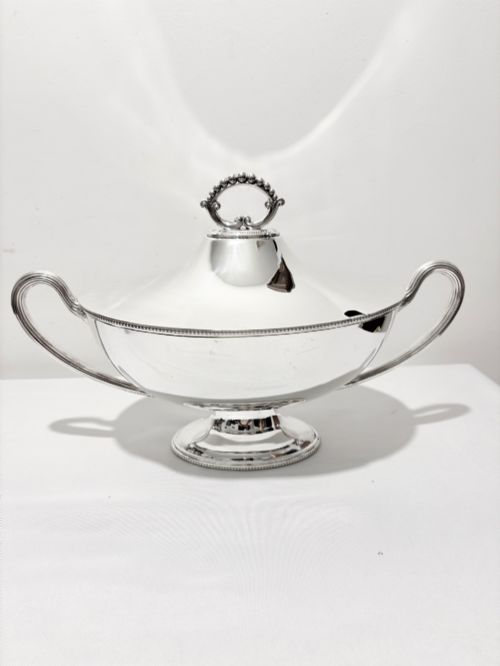
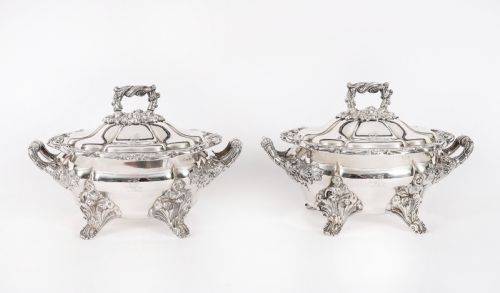
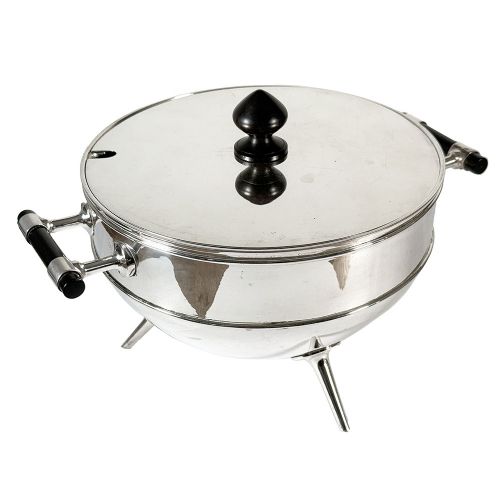
An antique plated tureen is a covered vessel designed for presenting soup, sauce, or entrees at the dining table, combining practical utility with formal display. These pieces emerged from periods spanning the Georgian, Regency, Victorian, and Edwardian eras, reflecting changing domestic fashions in formal hospitality.
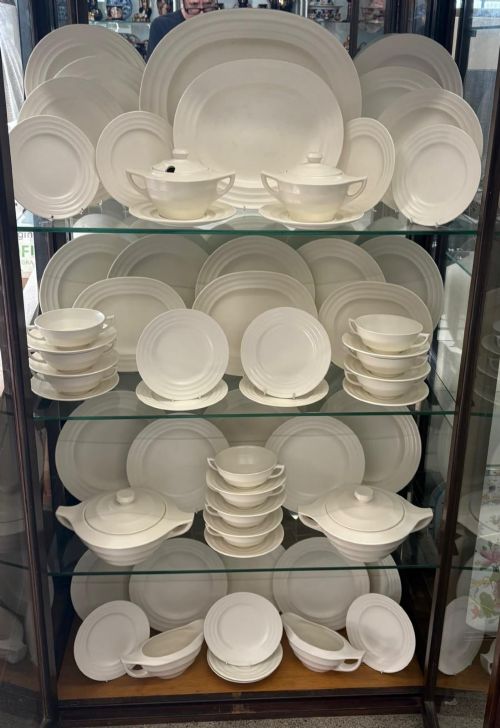
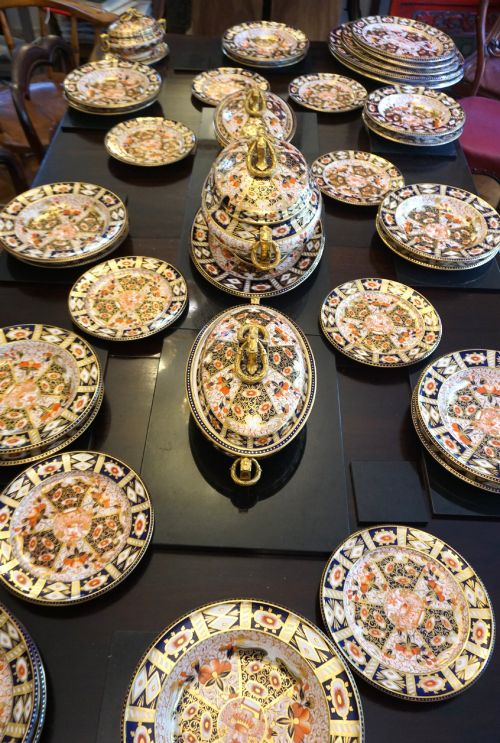
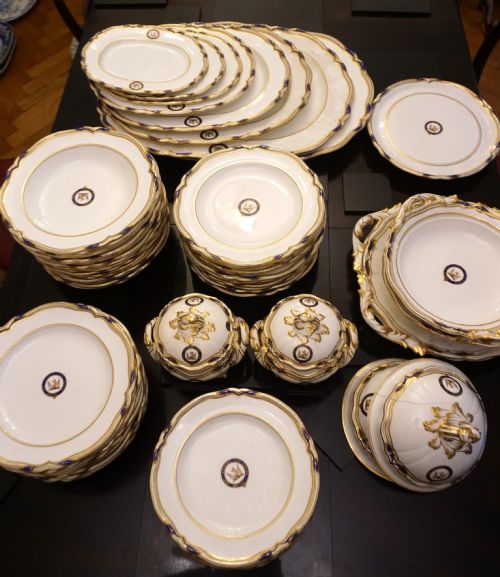
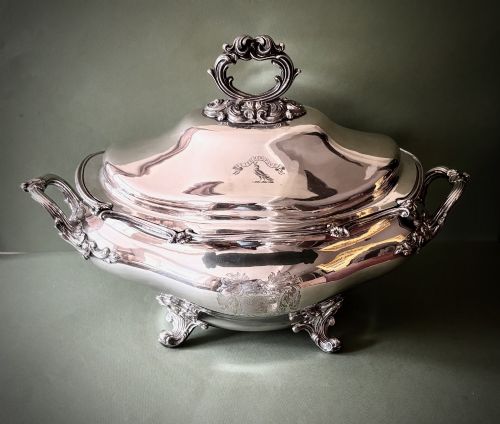
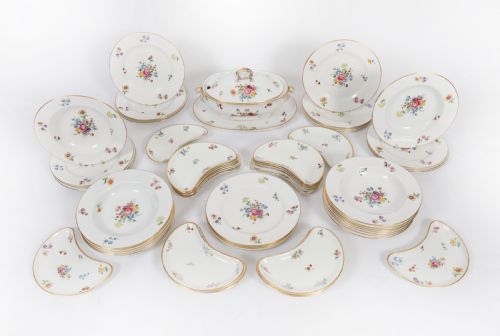
The most common versions met on this page are silver plated and Old Sheffield plate serving dishes, often shaped in oval or rectangular forms. Alongside these metallic vessels, the selection encompasses ceramic components such as earthenware, porcelain, and majolica tureens forming part of larger dinner services.
Originating primarily from British workshops, these tureens range from substantial soup vessels and warming dishes to pairs of lidded sauce tureens and breakfast dishes. They served as centrepieces of the dining table, constructed to keep food warm and to project status through polished metal or decorative ceramic glazes.
Materials and construction methods
Makers utilised copper as the base metal for Old Sheffield plate, fusing a thin sheet of silver to the surface before shaping the vessel. Later 19th-century production shifted towards electroplated nickel silver, applying an electrical current to bond silver onto a base alloy.
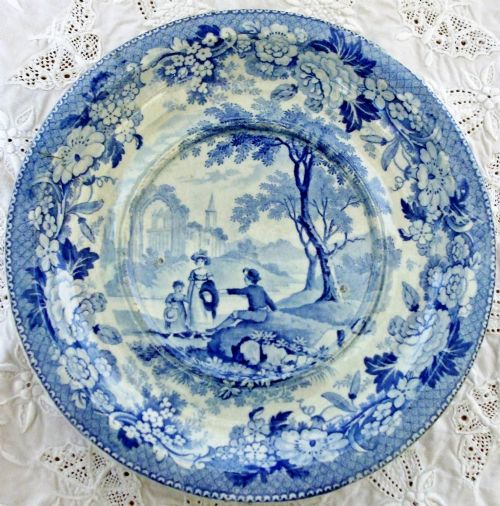
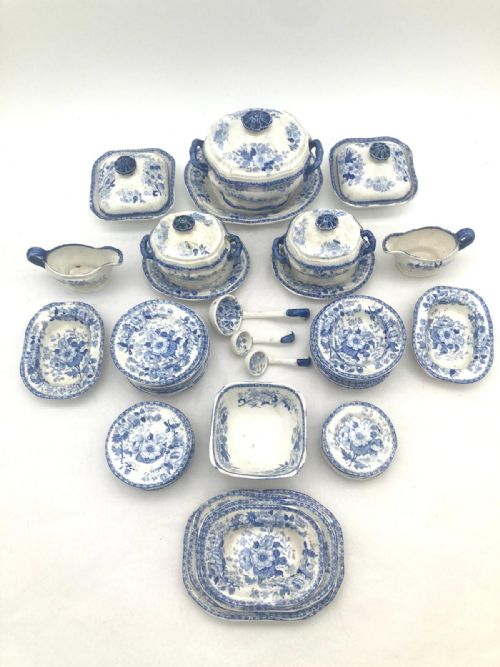
Ceramic tureens relied on earthenware, ironstone, and porcelain bodies shaped by hand or mould, then finished with blue and white transfer printing, enamel decoration, or coloured glazes such as Victorian majolica. Metal components were often assembled from multiple sections, incorporating cast handles, decorative borders, and matched covers.
Antique Plated Tureen Retail Price Guide 2026
Typical asking prices for plated tureen among the pieces listed under this phrase on Sellingantiques today, from the lower quarter to the upper quarter. They describe what is for sale here now, not the wider market.
The inventory spans the Georgian, Regency, Victorian, and Edwardian periods, utilising silver plate, copper, earthenware, and porcelain.
Distinctions in craftsmanship
The division between standard production and exceptional work rests in the crispness of the chased or cast ornamentation, such as foliate handles and borders. Superior metal items display even silver surfaces without base metal showing through excessive wear, while ceramic examples show sharp transfer printing and well-preserved enamel colours.
Maker attribution elevates certain pieces, with documented works by notable silversmiths or established potteries demonstrating superior weight, balanced proportions, and careful structural assembly. The survival of matching covers, stands, or original serving ladles distinguishes complete service pieces from partial remnants.
Hukin and Heath·Mappin and Webb·Daniel and Arter·Walker and Hall·Elkington·Cresswick·Dan Holy·Christofle Gallia·Hamilton and Inches
The Antique Plated Tureen Glossary
- Old Sheffield Plate
- An early method of fusing silver to a copper core by heat and pressure. This technique produced a rich metallic sheen characteristic of Georgian and Regency serveware.
- Electroplated Nickel Silver
- A process developed in the 19th century using electricity to coat a nickel alloy base with a layer of silver. This method largely superseded older plating techniques for mass production.
- Entree Dish
- A shallow lidded vessel designed for serving individual portions or secondary courses at formal dinners. These dishes frequently appeared in matched pairs.
- Majolica
- A type of earthenware coated with an opaque tin glaze and painted with brightly coloured metallic oxide pigments. Popular in the Victorian era, it often took naturalistic forms like leaves or animals.
- Transfer Printing
- A decoration technique using a copperplate engraving to transfer an inked design onto paper, which was then pressed onto ceramic ware before glazing. It allowed intricate blue and white patterns to be replicated consistently.
Antique Plated Tureen: Frequently Asked Questions
What was an antique plated tureen used for?
These vessels held soups, stews, sauces, or warm entrees at the dining table during formal meals. The cover helped retain heat until the food was served to guests.
They functioned both as practical serveware and as decorative statements that reflected the host's social standing during dinner parties.
How do I care for silver plated serveware?
Clean silver plate gently using warm water, mild soap, and a soft cloth to avoid scratching the thin metallic surface. Regular polishing with a dedicated silver cream maintains the shine without wearing away the plating.
Store the items in dry environments away from direct sunlight and avoid wrapping them in rubber or certain plastics that react with the metal.
How can I tell Old Sheffield plate from later electroplate?
Old Sheffield plate often reveals a faint hint of copper showing through along the cut edges or high points where the thin silver layer has thinned over generations. Electroplated nickel silver shows a uniform white metal base beneath worn areas of silver.
Weight and construction methods also help differentiate the earlier fused copper pieces from mass-produced Victorian electroplate.
Can I use these antique tureens for serving food today?
Many metal and ceramic tureens remain structurally sound for serving dry foods or warmed dishes at the table. Consideration must be given to the condition of the interior surfaces and the age of the materials before direct food contact.
Modern dishwashers should be avoided entirely; hand washing preserves the fragile glazes and historic metal plating of each piece.