




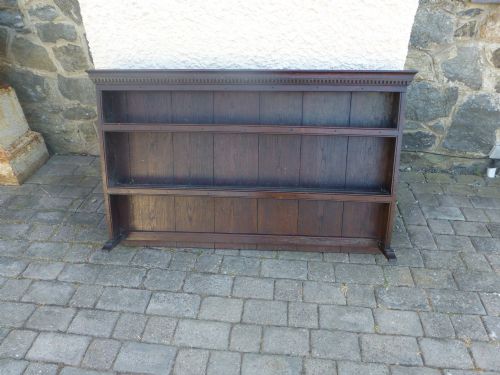
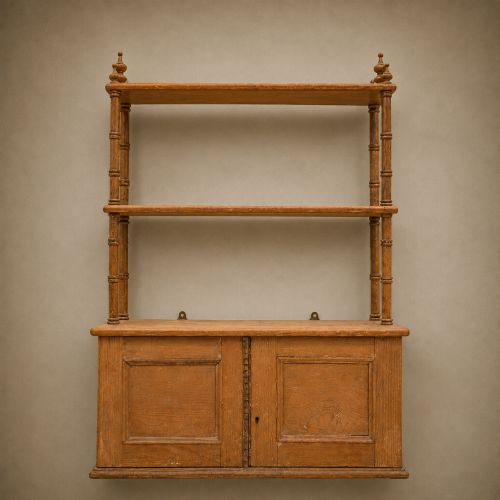
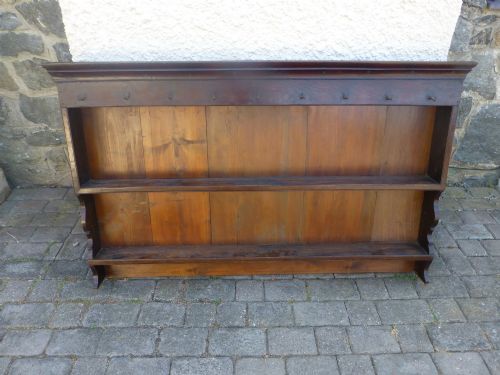
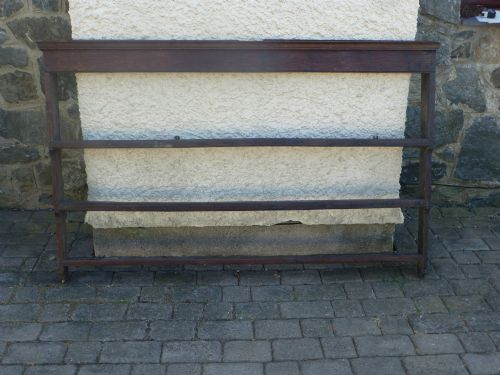
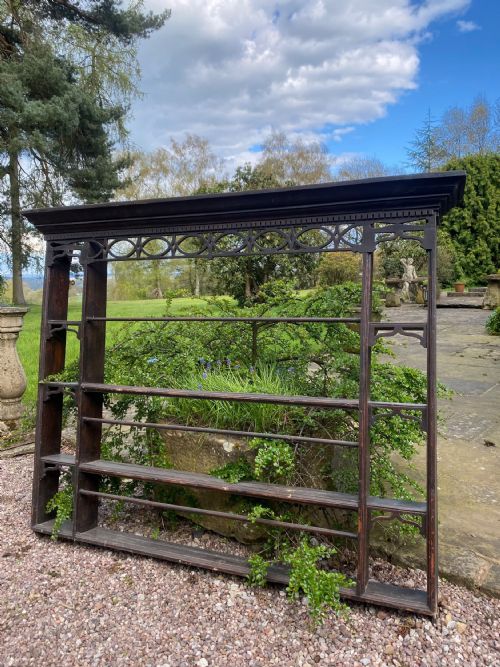
Antique Plate Shelf
An antique plate shelf displays and protects domestic china while adding vertical timber warmth to a room.
Antique Plate Shelf
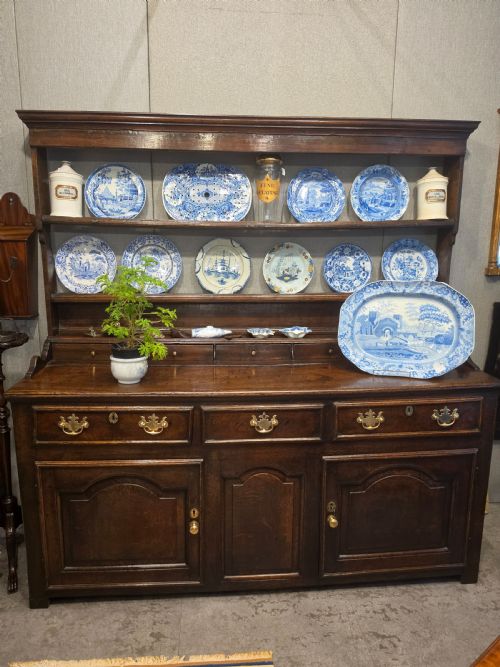
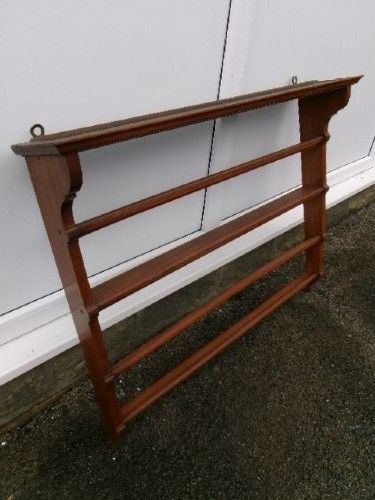
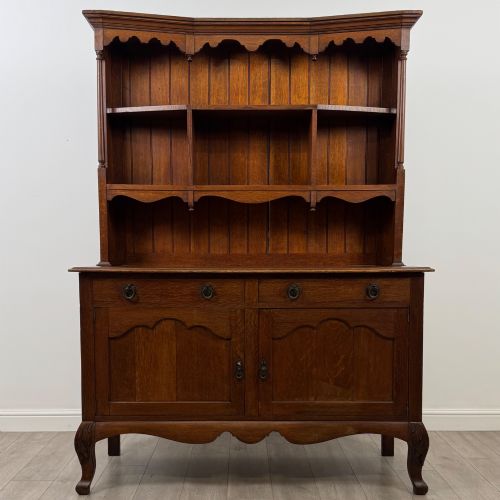
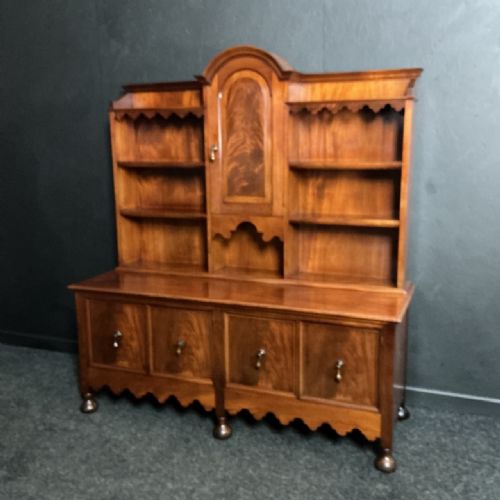
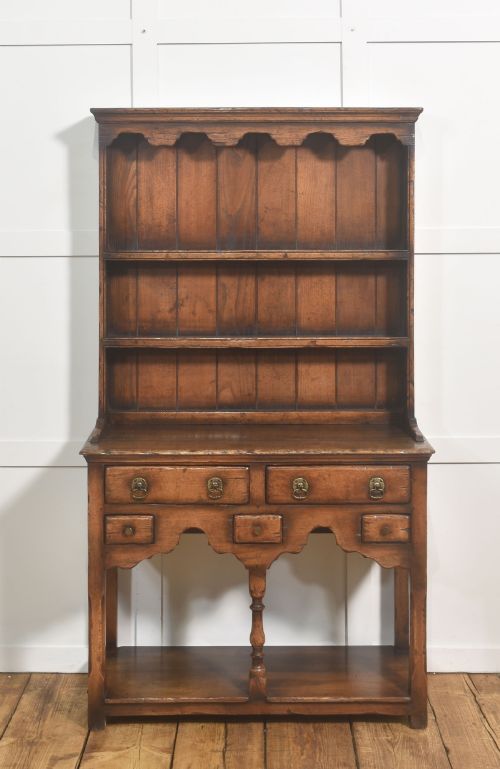
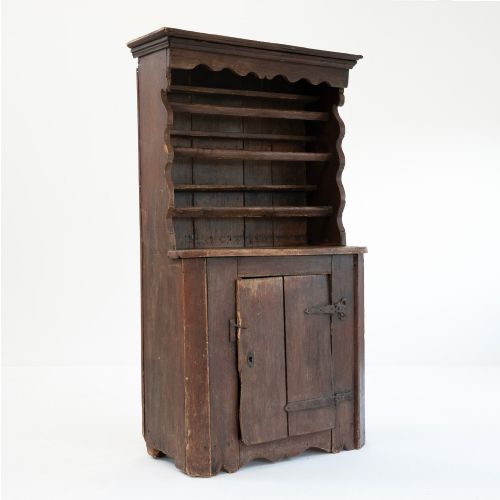
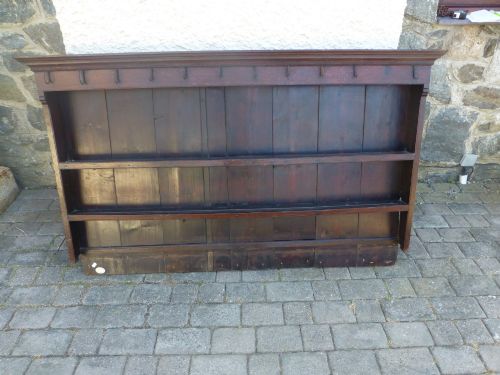
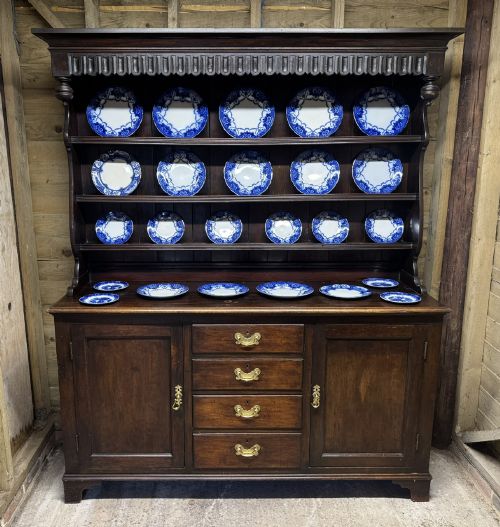
When you search for an antique plate shelf, you encounter pieces designed to hold ceramic plates upright against a wall or atop a larger base unit. The selections here range from compact hanging wall racks to substantial freestanding dressers featuring integrated display tiers.
You are most likely to meet oak and pine examples originating from the eighteenth and nineteenth centuries, spanning Georgian, Victorian and country styles. Many of these items include grooved wooden bases and protective retaining rails specifically shaped to keep heavy ceramic dishes from sliding.
The format varies from simple open wall-mounted boards to elaborate cabinetry incorporating cupboards, spice drawers and column details. Whether built as a standalone hanging rack or removed from the top of a Welsh dresser, each piece reflects domestic storage habits of past eras.
How they were made
Cabinetmakers constructed these shelves primarily using solid native timbers such as oak, pine and mahogany, joined with traditional pegged mortise and tenon joints. Backboards typically consist of vertical or horizontal planking secured with hand-cut nails or early screws.
Surface treatments range from waxed natural grain and aged patinas to historical painted finishes, sometimes applied in layers over centuries. Decorative elements like shaped friezes, turned supports and carved mouldings were worked directly into the timber by hand.
Antique Plate Shelf Retail Price Guide 2026
Typical asking prices for plate shelf among the pieces listed under this phrase on Sellingantiques today, from the lower quarter to the upper quarter. They describe what is for sale here now, not the wider market.
Listings feature oak, pine and mahogany across periods spanning the seventeenth century through to the Edwardian era.
What varies in quality
Quality in these pieces rests on the proportion of the timber, the crispness of any carved detailing and the retention of original structural members. Superior examples display careful timber selection with harmonious grain matching across the visible display tiers.
The integrity of the hanging mechanism, the depth of the plate-holding grooves and the preservation of an untouched surface finish further distinguish finer pieces from utilitarian workshop output. Lesser examples may exhibit heavy timber shrinkage, replaced cornices or inappropriate modern hardware.
The Antique Plate Shelf Glossary
- Delft rack
- An open wall-mounted shelving unit specifically designed with narrow wooden ledges to display tin-glazed earthenware plates. These racks often include built-in plate rails and hooks for hanging cups.
- Potboard dresser
- A traditional base cabinet featuring a low open shelf near the floor for storing heavy cookware, topped by a plate rack or display shelves. This rustic form is heavily associated with Welsh and English country kitchens.
- Marquetry
- Decorative veneer work using various tinted woods to create intricate pictorial patterns on furniture surfaces. It appears on selected finer display shelves from the eighteenth and nineteenth centuries.
- Gesso
- A plaster-based material applied to wood surfaces as a smooth base for gilding or painting. It is commonly found on decorative Victorian and Edwardian hanging shelves.
- Corinthian column
- A classical architectural column style featuring ornate acanthus leaf capitals, occasionally borrowed by cabinetmakers to ornament the uprights of grand eighteenth-century plate racks.
Antique Plate Shelf: Frequently Asked Questions
How do I hang a heavy oak plate shelf safely?
Secure the shelf directly into structural timber wall studs using appropriate steel brackets screwed through the internal backboards. Distribute the weight of heavy ceramic plates evenly across the tiers once the rack is firmly anchored.
Avoid relying solely on plasterboard fixings, as antique hardwood and loaded dishware create substantial downward and pulling forces.
Were all plate shelves originally part of a dresser?
Many plate racks were manufactured as independent wall-hanging units, while others functioned as the upper superstructure of large country dressers. Both formats are well represented among surviving antiques.
Standalone hanging shelves typically feature flush backboards and dedicated mounting points, whereas dresser tops often show evidence of past fixing pins where they joined the base.
How should I clean and maintain an antique painted finish?
Dust the surfaces gently with a dry, soft microfibre cloth and avoid using chemical cleaning sprays, abrasive pads or excess water. Preservation of the underlying historic paint layer requires gentle handling.
Applying microcrystalline wax can protect exposed unpainted timber sections, but painted areas generally need nothing more than careful, dry maintenance.
Can these shelves support modern heavy dinnerware?
Most antique plate shelves accommodate standard kitchen plates, provided the depth of the retaining groove matches the thickness of the dish base. Check the clearance between tiers before displaying deep bowls or oversized platters.
Historical grooves were shaped for earthenware and porcelain of their period, so exceptionally thick modern stoneware might not sit securely in older retaining channels.